
Shortbread Crust {Sablé Breton}
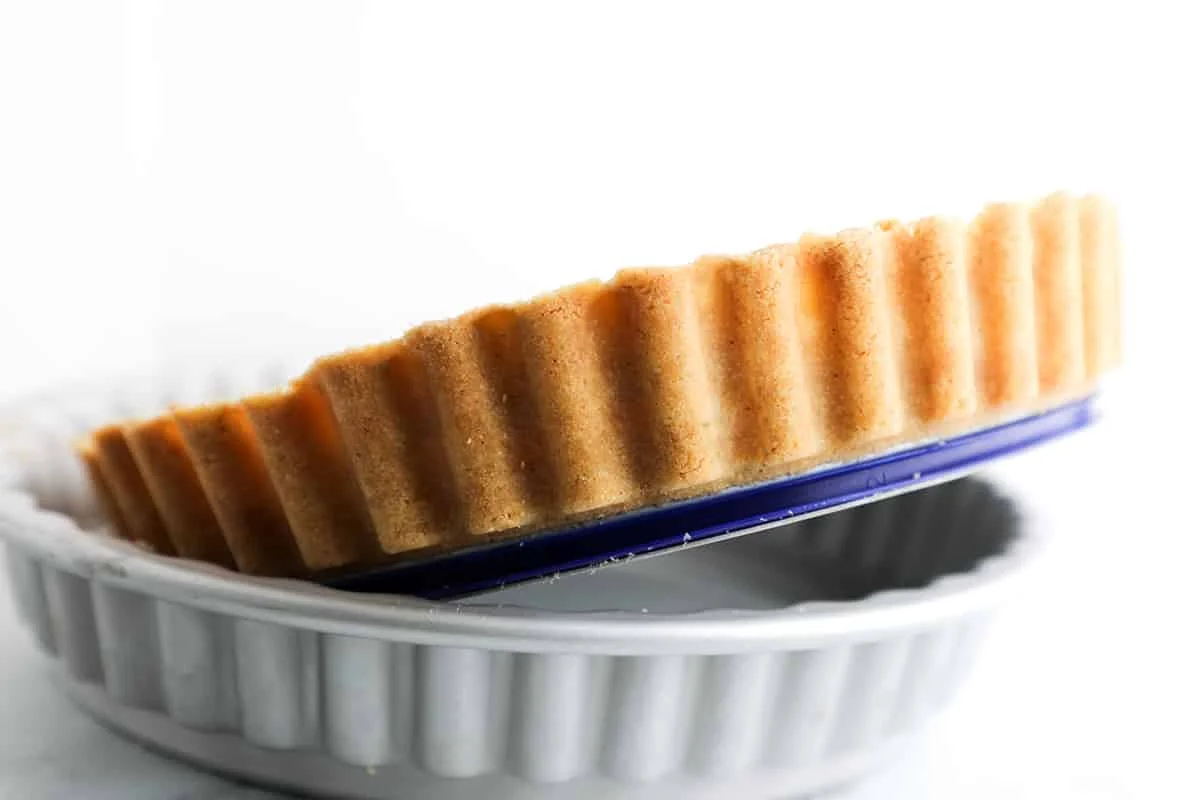
This buttery shortbread crust, also known as sablé breton, is a crisp, tender base for tarts, pies and cheesecakes. Two sugars and vanilla add depth, while rice flour helps give the baked crust a delicate texture.
Ingredients
- 227 g (1 cup)butter, at room temperature
- 100 g (1/2 cup)sugar
- 55 g (1/4 cup, packed)light brown sugar
- 15 ml (1 tablespoon)vanilla bean paste or pure vanilla extract
- 250 g (2 cups)plain flour
- 53 g (1/3 cup)rice flour (or plain flour)
- 2.5 g (1/2 teaspoon)salt
Instructions
- 1
Prepare the pan
Heat the oven to 148°C (300°F) and grease a 23 cm (9-inch) removable-bottom tart tin.
- 2
Cream the butter
Using a food processor or a mixer with the paddle attachment, beat the butter, sugar, vanilla and brown sugar vigorously for about 3 minutes, until pale and fluffy.
- 3
Mix the flour
Sift the plain flour, rice flour and salt into a separate bowl. Add them to the butter mixture and mix until combined and forming large clumps.
- 4
Press into tin
Transfer the mixture to the prepared tin and press it evenly over the base and up the sides. Prick the base all over with a fork.
- 5
Rest the dough
Cover the tin with cling film and leave the dough to rest for at least 30 minutes.
- 6
Bake the crust
For a crust that will be filled and baked again, bake it for 15 minutes, then add the filling and continue baking as directed. For an empty tart shell, bake for 45 minutes, or until the edges are lightly browned.
- 7
Cool and release
Cool the crust completely in the tin on a cooling rack. Push the removable base up through the middle, then carefully lift the crust free before filling.
What is sablé breton?
Sablé breton is a rich, buttery shortbread-style pastry associated with Brittany in north-western France; sablé refers to its sandy, crumbly texture. This recipe shapes that style of dough into a tart crust, suited to fillings that need either a partly baked base or a fully baked shell.
Two sugars give the crust a mix of sweetness and deeper, caramel-like flavour, while vanilla brings a fragrant note. Rice flour contributes to a delicate, crisp bite.
Nutrition and macros by portion
The nutrition label shows one serving as written: 3345 calories, 32g protein, 386g carbs, 187g fat.
| Portion | Adjustment | kcal | Protein | Carbs | Fat |
|---|---|---|---|---|---|
| Lighter | Use a smaller slice | 2342 kcal | 22g | 270g | 131g |
| This serving | As written | 3345 kcal | 32g | 386g | 187g |
| Hungry | Serve a larger slice | 5018 kcal | 48g | 579g | 281g |
The butter supplies most of the fat, while the plain and rice flours and both sugars provide most of the carbohydrates. There is a small amount of protein from the flour and butter; serve a slice with fruit or a protein-rich accompaniment such as yoghurt to make a more balanced plate.
The butter and sugar
Creaming: beat the room-temperature butter with both sugars and the vanilla until the mixture is pale and fluffy, about 3 minutes. This step incorporates air and helps the baked crust hold together rather than turning dense.
Temperature: butter should be soft enough to beat smoothly, but not melted or oily. If it has become very soft, chill it briefly before creaming.
Choosing the flours
Rice flour: it helps produce a fine, crisp texture in the finished crust. The recipe gives plain flour as a practical substitute if rice flour is unavailable.
Sifting: sift the flours and salt together before adding them to the butter mixture. Mix only until large clumps form so the dough comes together without being overworked.
Shaping and resting
Pressing: distribute the dough evenly across the base and up the sides of the tart tin. Even thickness helps the crust bake at a consistent rate.
Docking: prick the base all over with a fork, as directed, before covering and resting the dough for at least 30 minutes. Keep the cling film over the tin during the rest.
Bake to the right finish
Part-baked base: bake for 15 minutes if the filling will go into the crust and bake further. Then add the filling and follow its baking instructions.
Empty shell: bake for 45 minutes, looking for lightly browned edges. The recipe does not specify a separate visual cue for the centre, so use the stated time and edge colour as your guide.
Serving ideas
Once completely cool, this crust can be filled for a tart or cheesecake-style dessert. Choose a filling whose baking requirements match whether you have partially baked or fully baked the shell.
For a contrast to the buttery base, serve filled slices with fresh berries or softly whipped cream.
Recipe notes & tips
- Bring the butter to room temperature so it creams evenly with the sugars.
- Beat the butter and sugars for the full 3 minutes, until pale and fluffy.
- Press the dough into an even layer to help it bake consistently.
- Prick the base all over with a fork before the resting period.
- Cool the crust completely before trying to release it from the tin.
Variations
- Use extract: choose pure vanilla extract if you do not have vanilla bean paste.
- Swap the rice flour: use plain flour instead if rice flour is unavailable.
- Add citrus: include finely grated lemon zest for a fresh aromatic note.
- Pair with fruit: fill the cooled shell with seasonal fruit and a suitable filling.
- Make a cheesecake base: use the baked shell as a crisp base for a cheesecake-style filling.
Common mistakes to avoid
- Using melted butter: start with room-temperature butter so it can cream properly.
- Under-creaming: beat the butter and sugars for about 3 minutes, until pale and fluffy.
- Overmixing the flour: stop once the mixture forms large clumps.
- Uneven shaping: press the dough to a consistent thickness across the base and sides.
- Skipping the rest: cover the tin and rest the dough for at least 30 minutes.
- Removing it while warm: cool the crust completely before lifting it from the tin.
How to store
Once completely cool, keep the crust in an airtight container at room temperature for up to 3 days. If it has already been filled, follow the storage guidance for the filling and refrigerate if needed; bring it to room temperature before serving when appropriate.
Frequently asked questions
Can I make the crust without rice flour?
Yes. The recipe allows plain flour in place of the rice flour, though the texture may be a little less delicate.
Should I bake the crust before adding the filling?
If the filling needs to bake in the crust, bake the base for 15 minutes first, then add the filling and bake as directed. For an empty shell, bake it for 45 minutes or until the edges are lightly browned.
Why does the dough need to rest?
The method calls for a covered rest of at least 30 minutes before baking. Keep the dough covered with cling film during this time.
How do I know when the empty shell is ready?
Bake it for 45 minutes at 148°C and look for lightly browned edges.
Can I remove the crust from the tin while it is warm?
No. Cool it completely in the tin on a cooling rack, then push up the removable base and carefully release the crust.
What size tin does this recipe use?
Use a 23 cm (9-inch) tart tin with a removable bottom.
Cook it from the original
This recipe comes from errenskitchen.com. Their page has the author’s own photos, notes and tips — the best place to cook it from.
Open the recipe on errenskitchen.com