
Creamy Herbed Mashed Potatoes
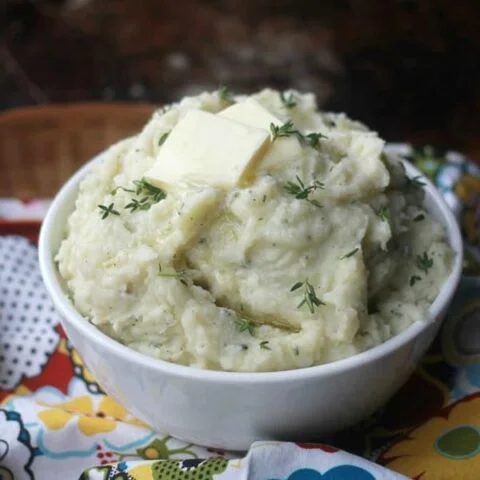
Creamy mashed potatoes are enriched with butter, cream and freshly chopped herbs for a flavourful side that suits a festive meal or a weeknight dinner. The potatoes can also be made ahead and gently reheated with a little extra cream and butter.
Ingredients
- 907 g (2 pounds)Russet potatoes
- 113 g (½ cup; 1 stick)unsalted butter, cut into pieces
- 120 ml (½ cup)double cream
- 30 ml (2 tbsp)fresh herbs, finely chopped (such as sage, thyme and rosemary)
- 1¼ tspkosher salt
- ½ tspfinely ground black pepper
Instructions
- 1
Boil the potatoes
Peel the potatoes and cut them into evenly sized medium dice. Put them in a large pan, cover with cold water and add a few generous sprinkles of salt. Cover and bring to the boil, then remove the lid and lower the heat to a simmer. Cook for 15–20 minutes, until fork-tender, then drain in a colander.
- 2
Mash with herbs
While the potatoes cook, finely chop the herbs. Once the potatoes are draining, put the butter and herbs into the empty pan over a medium heat. Melt the butter and soften the herbs for about 1 minute. Add the cream, measured salt and pepper, and drained potatoes. Mash with a hand masher or hand mixer to your preferred consistency.
- 3
Adjust the seasoning
Taste the potatoes and adjust the seasoning as needed.
- 4
Reheat if needed
To make the potatoes ahead, add a few tablespoons of cream and a few pats of butter before reheating. The recipe suggests warming them in a pan over a medium heat and mashing again as they heat.
What are herbed mashed potatoes?
Mashed potatoes are a familiar side dish made by boiling potatoes and crushing them until smooth or fluffy. This version adds butter, cream and fresh herbs for richness and savoury flavour.
It draws on a classic style of mashed potato rather than a specific regional tradition. Russets, which are starchy, help make the mash soft, while the herbs bring a fragrant note.
Nutrition and macros by portion
The nutrition label shows one serving as written: 320 calories, 5g protein, 36g carbs, 19g fat.
| Portion | Adjustment | kcal | Protein | Carbs | Fat |
|---|---|---|---|---|---|
| Lighter | Use less butter and cream | 224 kcal | 4g | 25g | 13g |
| This serving | As written | 320 kcal | 5g | 36g | 19g |
| Hungry | Serve a larger portion | 480 kcal | 8g | 54g | 29g |
The potatoes provide most of the carbohydrates, while butter and cream supply most of the fat; the potatoes and cream contribute modest amounts of protein. Pair a portion with a protein-rich main and vegetables to round out the plate.
Choosing the potatoes
Russets: their starchy texture breaks down readily when mashed, giving the dish a soft, fluffy base. Cut the pieces to a similar size so they cook at roughly the same rate.
Building the herb flavour
Fresh herbs: sage, thyme and rosemary are suggested as a combination, but you can choose your own mix. Chop them finely so they distribute evenly through the mash.
Butter: melting it with the herbs for about a minute gives them a brief chance to soften and flavour the fat before the potatoes go back into the pan.
Getting the texture right
Tenderness: the potatoes are ready when a fork goes through them easily, usually after 15–20 minutes of simmering. Drain them well so excess water does not loosen the mash.
Mashing: stop when the potatoes reach the smoothness you like. A hand masher leaves more texture, while a hand mixer can make the result smoother; avoid continuing once you are happy with it.
Timing and making ahead
The recipe takes 30 minutes in total, with the potatoes simmering for about 15–20 minutes. Use that cooking time to chop the herbs.
For a make-ahead meal, prepare the mash and reheat it gently with a few tablespoons of cream and a few pats of butter. Mash again as it warms to help bring the texture back together.
What to serve alongside
These potatoes work well with a roast or another main course served with vegetables. Their creamy, buttery character also makes them a natural fit for a Thanksgiving or Christmas table.
For a balanced plate, pair a serving with a protein-rich main and vegetables, such as greens or carrots.
Recipe notes & tips
- Cut the potatoes into similarly sized pieces so they finish cooking together.
- Start the potatoes in cold water, as directed, and bring the pan to the boil before reducing it to a simmer.
- Chop the herbs finely to spread their flavour through the mash.
- Drain the potatoes thoroughly before adding them back to the pan.
- Taste before serving and adjust the salt and pepper to suit your preference.
Variations
- Herb mix: use any combination of sage, thyme and rosemary that you enjoy.
- More thyme: emphasise thyme for a gentle, savoury herbal note.
- Rustic texture: use a hand masher and stop while some small pieces remain.
- Smoother mash: use a hand mixer and work only until the potatoes reach your preferred texture.
Common mistakes to avoid
- Uneven pieces: some potatoes may cook before others; dice them to a similar size.
- Boiling too vigorously: the pieces can break apart; reduce the heat to a simmer once the water boils.
- Undercooking: firm centres make lumpy mash; cook until a fork passes through easily.
- Excess water: it can make the mash loose; drain the potatoes well before mashing.
- Over-mashing: the texture can become less pleasant; stop as soon as it reaches your preferred smoothness.
How to store
Cool leftovers and refrigerate them in a covered container for up to 3 days. Reheat gently in a pan over a medium heat, adding a few tablespoons of cream and a few pats of butter, and mash as they warm.
Frequently asked questions
Can I make these mashed potatoes ahead?
Yes. Reheat them gently with a few tablespoons of cream and a few pats of butter, mashing as they warm.
How do I know when the potatoes are cooked?
They should be fork-tender, which the recipe estimates will take 15–20 minutes at a simmer.
Can I use a hand mixer instead of a masher?
Yes. The method allows for either; use whichever gives you the texture you prefer.
Which herbs work best?
The suggested mix is sage, thyme and rosemary. Use them together or choose a combination to suit your taste.
Why start the potatoes in cold water?
The method starts them in cold water and brings the pan up to the boil. This is the specified approach for cooking the diced pieces before simmering them until tender.
Cook it from the original
This recipe comes from bakerbettie.com. Their page has the author’s own photos, notes and tips — the best place to cook it from.
Open the recipe on bakerbettie.com