
BEST Cacio e Pepe Recipe
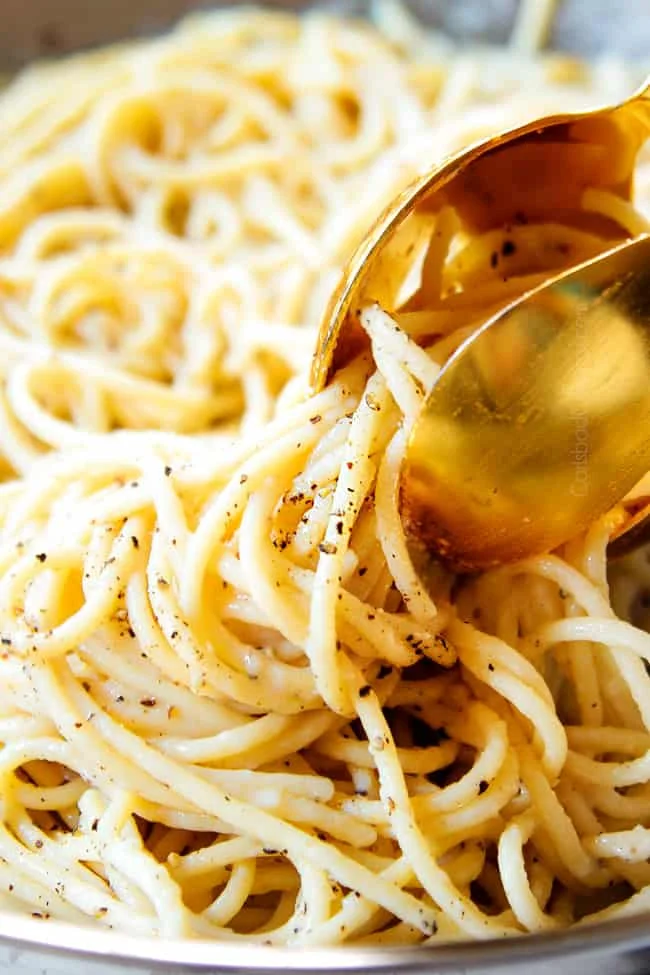
Cacio e Pepe is a Roman pasta dish of spaghetti, Pecorino Romano and black pepper, made creamy without cream. This quick version uses butter, olive oil and starchy pasta water to bring the cheese and pepper together in a smooth sauce.
Ingredients
- 227 g (8 oz)spaghetti (or bucatini)
- 5 ml (1 teaspoon)salt, for the pasta water
- 42 g (3 tablespoons)unsalted butter
- 15 ml (1 tablespoon)extra-virgin olive oil
- 50 turns (about 1 teaspoon)coarsely ground black pepper, freshly cracked
- About 150 g (1½ cups)Pecorino Romano, finely grated and freshly grated (not Parmesan)
Instructions
- 1
Boil the pasta
Pour 1.9 litres (2 quarts/8 cups) of water into a Dutch oven or a stockpot wide enough for the spaghetti. The water will be shallow; cover and bring it to a boil. Remove the lid, stir in the salt and add the spaghetti. Cook until just short of al dente, usually a few minutes less than the packet suggests, stirring often to stop it sticking.
- 2
Cook the pepper
While the pasta cooks, melt the butter with the olive oil in a large frying pan over medium heat. Add the pepper and cook for 1 minute, then take the pan off the heat until the pasta is ready.
- 3
Reserve pasta water
When the pasta is al dente, save 300 ml (1¼ cups) of the cooking water. Drain the pasta in a colander and set it aside.
- 4
Whisk in water
Off the heat, slowly whisk 240 ml (1 cup) of the reserved pasta water into the butter mixture. Leave it to stand for 3 minutes.
- 5
Melt in cheese
Whisk in the cheese gradually, a little at a time, until combined. Set the pan over low heat and whisk constantly until the cheese has melted and the sauce is smooth.
- 6
Toss the pasta
Add half the pasta to the pan and stir to coat. Add the rest and toss until evenly covered, adding more reserved pasta water if needed to loosen the sauce.
- 7
Season and serve
Taste and add extra salt and pepper if you like. Serve warm.
What is Cacio e Pepe?
Cacio e Pepe means “cheese and pepper” in Italian, and the dish is associated with Rome. Its classic character comes from the combination of pasta, Pecorino Romano and plenty of black pepper.
This version adds butter and olive oil to help make a rich, cohesive sauce without cream. The reserved pasta water supplies starch to help bind the cheese and fat.
Nutrition and macros by portion
The nutrition label shows one serving as written: 925 calories, 35g protein, 84g carbs, 53g fat.
| Portion | Adjustment | kcal | Protein | Carbs | Fat |
|---|---|---|---|---|---|
| Lighter | Less butter and cheese | 648 kcal | 25g | 59g | 37g |
| This serving | As written | 925 kcal | 35g | 84g | 53g |
| Hungry | Larger pasta portion | 1388 kcal | 53g | 126g | 80g |
The spaghetti supplies most of the carbohydrates, while the butter, olive oil and Pecorino contribute much of the fat. The cheese also provides protein, though it makes the dish salty; add a generous serving of vegetables alongside to balance the plate.
Choose the right ingredients
Pecorino Romano: Use the specified cheese rather than Parmesan for the sharp, salty flavour this recipe is built around. Finely grating it helps it melt more evenly.
Pepper: Freshly cracked coarse black pepper gives the sauce its distinctive warmth. The recipe uses about 50 turns, or roughly 1 teaspoon.
Keep the pasta water starchy
Shallow water: The spaghetti cooks in just 1.9 litres (2 quarts/8 cups) of water, which concentrates the starch in the cooking liquid. Stir the pasta often so it does not stick.
Reserve first: Measure out 300 ml (1¼ cups) before draining. You need some of it for the sauce, and a little more can help adjust its consistency as you toss.
Bring the sauce together gently
Off the heat: Whisk 240 ml (1 cup) of pasta water into the butter mixture away from the hob, then leave it for 3 minutes as directed. This gives the mixture a moment to settle before the cheese goes in.
Low heat: Add the Pecorino gradually, whisking constantly over low heat until smooth. Gentle heat and steady whisking help prevent clumps.
Aim for just al dente
Pasta doneness: Stop cooking the spaghetti when it is just short of al dente, following the recipe’s instruction to cook it a few minutes less than the packet timing. It will be tossed in the sauce before serving.
Sauce texture: The finished coating should be smooth and loose enough to cling to the strands. Add reserved pasta water gradually if it seems too thick.
Serve it warm
Timing: Have the cheese grated and the pepper ready before you start cooking, so you can finish the sauce and toss the pasta while it is hot. Serve as soon as it is coated.
On the side: A crisp green salad or simply cooked vegetables make a fresh counterpoint to the salty, buttery pasta.
Recipe notes & tips
- Finely grate the Pecorino so it can melt into the sauce more readily.
- Crack the pepper freshly for a more pronounced aroma.
- Stir the spaghetti often while it cooks in the shallow water.
- Reserve the pasta water before draining; it is harder to retrieve once the pasta is gone.
- Add extra pasta water a little at a time when loosening the sauce.
- Serve immediately while the sauce is warm and smooth.
Variations
- Use bucatini: Swap it for the spaghetti as suggested in the recipe.
- Adjust the pepper: Use fewer turns for a gentler pepper flavour.
- Add greens: Serve with wilted spinach or steamed greens on the side.
- Add a salad: Pair the pasta with a crisp green salad for freshness.
Common mistakes to avoid
- Using too much water: The pasta water may be less starchy; stick to 1.9 litres (2 quarts/8 cups).
- Skipping the stirring: Spaghetti can stick in the shallow pot; stir it often as it cooks.
- Adding all the cheese at once: It may clump; whisk it in gradually.
- Using high heat: The cheese can turn lumpy; keep the pan on low and whisk constantly.
- Draining without reserving water: The sauce needs it; measure out 300 ml (1¼ cups) first.
How to store
Store leftovers in an airtight container in the fridge for up to 2 days. Reheat gently in a frying pan with a splash of water, tossing until warmed through; the sauce may not be as smooth as when freshly made.
Frequently asked questions
Can I use bucatini instead of spaghetti?
Yes. The recipe lists bucatini as a suitable substitute; cook it until just short of al dente.
Can I use Parmesan instead of Pecorino Romano?
This recipe specifically calls for Pecorino Romano, not Parmesan. For the intended flavour, use finely grated Pecorino Romano.
Why is the sauce lumpy?
The cheese may have been added too quickly or heated too strongly. Whisk it in gradually over low heat, stirring constantly.
How much pasta water should I reserve?
Reserve 300 ml (1¼ cups) before draining. The method uses 240 ml (1 cup) in the sauce, with more added as needed to loosen it.
Can I make the sauce ahead?
It is best made as the pasta finishes cooking, so the sauce and pasta can be tossed together while warm. The recipe’s method does not include preparing the sauce in advance.
Cook it from the original
This recipe comes from carlsbadcravings.com. Their page has the author’s own photos, notes and tips — the best place to cook it from.
Open the recipe on carlsbadcravings.com