
Best Minestrone Soup Recipe
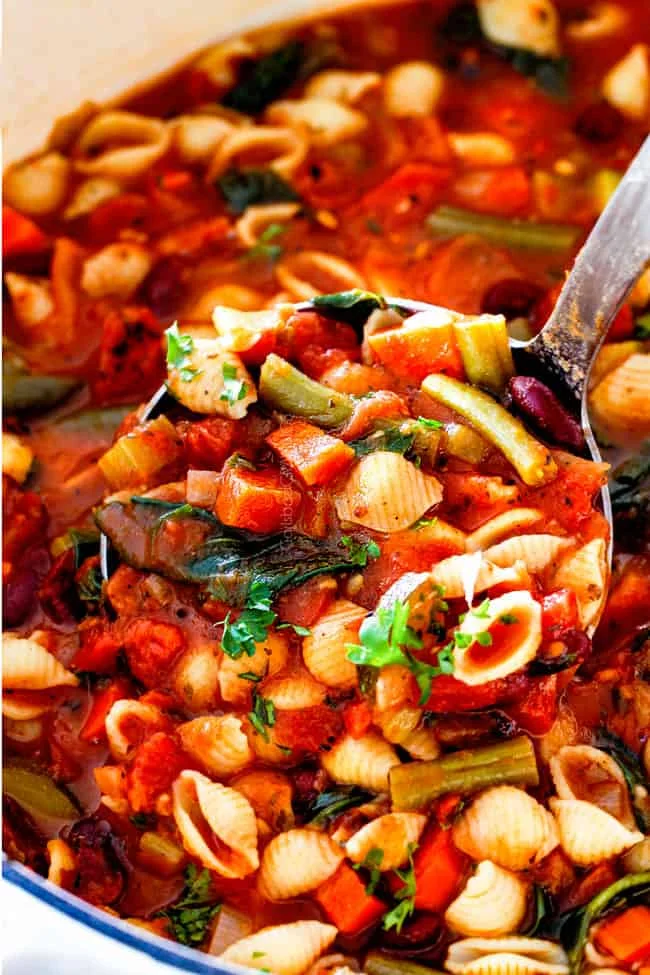
This Italian-inspired minestrone brings beans, pasta and plenty of vegetables together in a rich tomato broth. It is a hearty one-pot meal that is easy to adapt and makes enough for lunch or dinner through the week.
Ingredients
- 15 ml (1 tablespoon)extra-virgin olive oil
- 14 g (1 tablespoon)butter (or olive oil)
- 1 smallonion, diced
- 2 medium (about 150 g; 1 cup chopped)carrots, chopped
- 3 stalks (about 100 g; 1 cup chopped)celery, chopped
- 4–6 clovesgarlic, minced
- 142 g (5 oz)fresh green beans, trimmed and cut into 2.5 cm (1-inch) pieces
- 1courgette, thickly sliced into 6 mm (¼-inch) rounds and quartered
- 2 cans, 411 g (14.5 oz) eachdiced fire-roasted tomatoes, with their juices
- 1 can, 425 g (15 oz)tomato sauce
- 1 can, 439 g (15.5 oz)kidney beans, drained and rinsed
- 7.5 ml (1½ teaspoons) eachdried basil and dried parsley
- 5 ml (1 teaspoon) eachdried oregano, salt and sugar
- 2.5 ml (½ teaspoon) eachblack pepper and dried thyme
- 0.6–1.25 ml (⅛–¼ teaspoon)red pepper flakes
- 1bay leaf
- 1.42 litres (6 cups)low-sodium chicken broth (or vegetable broth)
- 473 ml (2 cups)water
- about 150 g (1½ cups)uncooked small pasta shells
- 2–3 cups (about 60–90 g)baby spinach
- to tastefreshly grated Parmesan cheese
- optional, to tastefresh basil
Instructions
- 1
Soften the vegetables
Melt the butter into the olive oil in a large Dutch oven or soup pot. Add the onion, carrots and celery, and cook, stirring often, for 5–7 minutes, until the onion is translucent. Stir in the garlic and cook for 30 seconds.
- 2
Simmer the soup
Add all the remaining soup ingredients through the water. Cover and bring to the boil, then uncover and lower the heat to a gentle simmer for 10 minutes.
- 3
Cook the pasta
Add the pasta and cook until just al dente.
- 4
Wilt the spinach
Take the pot off the heat and stir in the spinach. Leave it for about 1 minute to wilt. Add more water if you prefer a less chunky soup.
- 5
Serve with Parmesan
Ladle the soup into bowls and finish with freshly grated Parmesan.
What is minestrone soup?
Minestrone is a flexible Italian vegetable soup, commonly built around vegetables, beans and sometimes pasta or rice. Recipes vary with the season and what is on hand, rather than following one fixed list.
This version uses tomatoes for a full-flavoured broth, kidney beans for substance and small pasta shells to make it a satisfying one-pot meal.
Nutrition and macros by portion
The nutrition label shows one serving as written: 260 calories, 10g protein, 39g carbs, 8g fat.
| Portion | Adjustment | kcal | Protein | Carbs | Fat |
|---|---|---|---|---|---|
| Lighter | Use less pasta and Parmesan | 182 kcal | 7g | 27g | 6g |
| This serving | As written | 260 kcal | 10g | 39g | 8g |
| Hungry | Add more pasta and beans | 390 kcal | 15g | 59g | 12g |
The pasta and beans provide most of the carbohydrates, while the olive oil, butter and Parmesan contribute much of the fat. Beans, Parmesan and chicken broth also contribute protein, with the exact amount depending on the brands used. For a balanced plate, serve a bowl with a side salad or extra vegetables.
Building the flavour
Aromatic base: cooking the onion, carrots and celery in oil and butter softens them and lays the groundwork for the broth. Give them the full 5–7 minutes before adding the garlic.
Tomato and herbs: fire-roasted tomatoes, tomato sauce and dried herbs bring depth without a long simmer. The sugar, salt and pepper season the mixture, while red pepper flakes add a little heat.
Choosing the vegetables
Green beans and courgette: these add distinct shapes and textures, so cut the beans into even pieces and keep the courgette slices fairly thick.
Flexible additions: minestrone can accommodate other vegetables, but the method here is written for the listed ingredients. If you swap something in, consider how long it needs to soften before adding it.
Getting the simmer right
Gentle heat: after the soup comes to the boil, lower it to a gentle simmer for 10 minutes. A steady, quiet simmer lets the flavours mingle without cooking the vegetables too aggressively.
Seasoning check: taste the broth before serving and adjust it to your preference. The recipe uses low-sodium broth, but different brands and vegetable broths can vary in saltiness.
Pasta and texture
Al dente shells: add the pasta after the initial simmer and cook only until just tender, following its packet timing as a guide. Smaller shells are easy to eat from a spoon and distribute well through the soup.
Broth level: the soup is deliberately chunky. Stir in extra water at the end if you want more broth, as the pasta and vegetables take up space in the pot.
Finishing and serving
Spinach: take the pot off the heat before stirring it in; the residual warmth is enough to wilt the leaves in about 1 minute.
To serve: finish each bowl with freshly grated Parmesan and, if you like, fresh basil. Crusty bread makes a simple accompaniment.
Recipe notes & tips
- Dice the onion and chop the carrots and celery before heating the pot so they can cook together evenly.
- Keep the first vegetable cook at a moderate heat and stir often to soften the vegetables without browning them heavily.
- Use the pasta packet timing as a guide, since shell sizes and cooking times can vary.
- Add extra water gradually at the end so you can stop when the broth reaches your preferred consistency.
- Grate the Parmesan just before serving for the best texture and flavour.
Variations
- Use vegetable broth: swap it for the chicken broth to make the soup meat-free.
- Change the beans: use another drained, rinsed tinned bean in place of the kidney beans.
- Add other vegetables: replace or supplement the listed vegetables with seasonal options, allowing for their cooking time.
- Leave out the pasta: omit it for a bean-and-vegetable soup, and add water if you want a looser broth.
- Increase the heat: use the upper amount of red pepper flakes for a spicier bowl.
Common mistakes to avoid
- Adding garlic too early: it can burn during the longer vegetable cook; add it only after the onion, carrots and celery have softened.
- Boiling hard throughout: a rolling boil can break up the vegetables; reduce the heat to a gentle simmer after bringing the soup to the boil.
- Overcooking the pasta: it can turn soft in the hot broth; cook it only until al dente.
- Adding spinach too soon: it needs very little cooking; stir it in after taking the pot off the heat.
- Adding too much water at once: it can thin the broth more than intended; add it gradually to adjust the chunky texture.
How to store
Cool leftovers promptly and keep them in an airtight container in the fridge for up to 3 days. Reheat gently on the hob until hot, adding a splash of water if the soup has thickened; the pasta will soften further as it sits.
Frequently asked questions
Can I make this soup vegetarian?
Yes. Use vegetable broth instead of chicken broth and omit the Parmesan or choose a vegetarian Parmesan-style cheese.
Can I leave out the pasta?
Yes. The recipe description allows for minestrone without pasta; leave it out and add water at the end if you want a thinner broth.
When is the pasta done?
Cook it until just al dente, using the packet instructions as a guide. It will continue to soften as it sits in the hot soup.
Can I use frozen green beans?
The recipe specifies fresh green beans. Frozen beans can be used as a practical substitute, though their texture may be softer; add them with the other vegetables and check them for tenderness.
Why is my soup so thick?
The pasta and vegetables make this a chunky soup and absorb broth as they cook. Stir in a little extra water until you reach the consistency you like.
Can I prepare it ahead?
Yes. The soup can be made ahead, though the pasta will absorb liquid and soften during storage. Add a splash of water when reheating, or cook and store the pasta separately if you prefer it firmer.
Cook it from the original
This recipe comes from carlsbadcravings.com. Their page has the author’s own photos, notes and tips — the best place to cook it from.
Open the recipe on carlsbadcravings.com