
Best Kung Pao Chicken Recipe
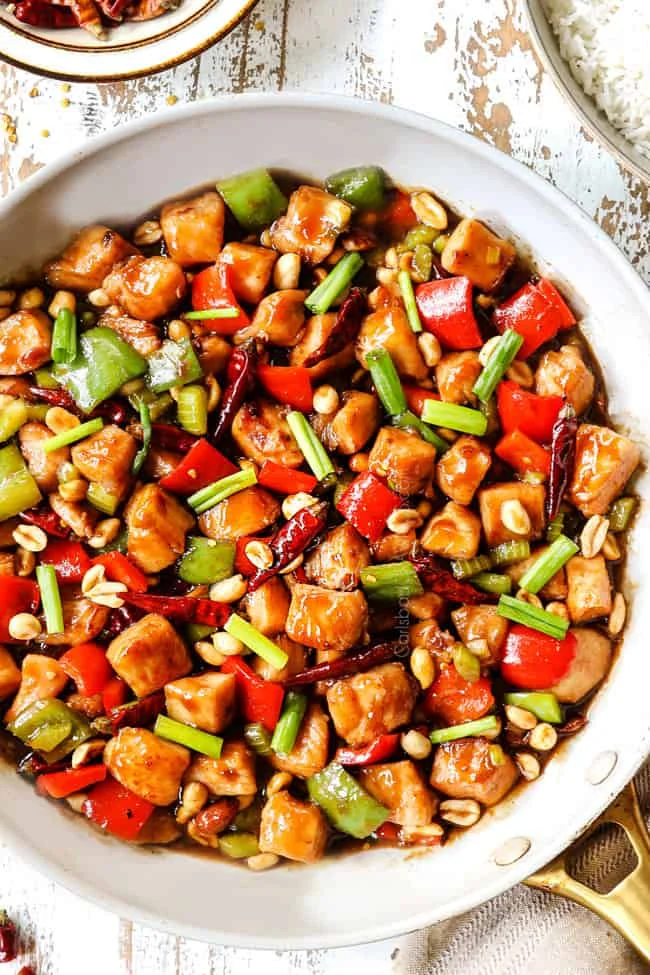
Kung Pao chicken is a Sichuan-style stir-fry of tender chicken, vegetables, peanuts and a punchy chilli-garlic sauce. It comes together quickly in one pan, and you can adjust the heat to suit your table.
Ingredients
- 680 gchicken breasts, cut into 4 cm pieces
- 2 tablespoons (30 ml)reduced-sodium soy sauce
- 2 tablespoons (about 16 g)cornflour
- 1 tablespoon (15 ml)rice wine or dry sherry
- 1 teaspoon (5 ml)toasted sesame oil
- 1 teaspoon (about 5 g)bicarbonate of soda
- 80 mlreduced-sodium chicken stock
- 3 tablespoons (45 ml)oyster sauce
- 2 tablespoons (30 ml)reduced-sodium soy sauce
- 1 tablespoon (15 ml)Chinkiang (Chinese black) vinegar
- 1 tablespoon (15 ml)rice wine
- 2 tablespoons (about 25 g)soft brown sugar
- 1 teaspoon (5 ml)toasted sesame oil
- 1½ teaspoons (about 5 g)cornflour
- 1 teaspoon (about 2 g)ground Sichuan peppercorns
- as neededpeanut oil or vegetable oil
- about 70 groasted, unsalted peanuts
- 4spring onions, white parts thinly sliced and green parts cut into 2.5 cm lengths
- 1red pepper, cut into 2.5 cm pieces
- 1green pepper, cut into 2.5 cm pieces
- 2 stalkscelery, halved lengthways and thinly sliced
- 1 tablespoon (about 6 g)minced ginger
- 3–4 clovesgarlic, minced
- 15whole dried Thai red chillies
- seeds from 5–10dried Thai red chillies
Instructions
- 1
Marinate the chicken
Whisk the chicken marinade ingredients together in a large freezer bag or bowl. Add the chicken and turn to coat evenly. Leave at room temperature for 15–30 minutes while preparing the other ingredients; do not leave it longer. Meanwhile, whisk the sauce ingredients together in a medium bowl and set aside.
- 2
Brown the chicken
Heat 1 tablespoon of vegetable or peanut oil in a large non-stick frying pan over medium-high heat. When very hot, add the chicken in a single layer and cook until golden. Stir and cook just until opaque, then transfer to a plate; it will not be cooked through yet.
- 3
Stir-fry the vegetables
Add 1½ tablespoons of oil to the empty pan and heat over medium-high heat until very hot. Add the peanuts, white parts of the spring onions, celery, peppers, ginger, garlic, dried chillies and chilli seeds. Stir-fry for 1 minute.
- 4
Finish the sauce
Return the chicken to the pan. Whisk the sauce again, then pour it in. Cook, stirring constantly, until the sauce thickens and the chicken is cooked through, about 1–2 minutes. Stir in the green parts of the spring onions, then taste and add more chilli seeds or chilli sauce if you like.
- 5
Serve the chicken
Serve with rice, garnished with spring onions and sesame seeds if desired.
What is Kung Pao chicken?
Kung Pao chicken, or gōng bǎo jī dīng, is a Sichuan-style stir-fry traditionally associated with chicken, chillies and peanuts. Its appeal comes from the mix of savoury, sweet, sour and spicy flavours, with Sichuan pepper adding its distinctive tingling note.
This version combines peppers and celery with a glossy sauce, and keeps the chilli level adjustable. The quick cooking helps the chicken stay tender while the vegetables retain some bite.
Nutrition and macros by portion
The nutrition label shows one serving as written: 350 calories, 33g protein, 19g carbs, 17g fat.
| Portion | Adjustment | kcal | Protein | Carbs | Fat |
|---|---|---|---|---|---|
| Lighter | Use less oil and peanuts | 245 kcal | 23g | 13g | 12g |
| This serving | As written | 350 kcal | 33g | 19g | 17g |
| Hungry | Serve with extra rice | 525 kcal | 50g | 29g | 26g |
The chicken supplies most of the protein, while the brown sugar and vegetables contribute carbohydrates; the peanuts, sesame oil and cooking oil account for much of the fat. Serve it with a moderate portion of rice and extra vegetables to make a more balanced plate.
Why the marinade matters
Velveting: soy sauce, rice wine, sesame oil, cornflour and bicarbonate of soda coat the chicken before it hits the pan. The short resting time gives the coating a chance to cling without leaving the chicken sitting in the marinade for too long.
Cut size: pieces about 4 cm across cook quickly and evenly. Try to keep them similar in size so smaller pieces do not dry out while larger ones finish cooking.
Build a balanced sauce
Sauce base: stock, oyster sauce and soy sauce bring savoury depth, while brown sugar softens their saltiness. Chinkiang vinegar adds a tangy counterpoint; the recipe also notes a mix of balsamic and rice vinegar as a possible substitute.
Thickening: cornflour helps the sauce cling to the chicken and vegetables. Whisk it again just before adding, as it can settle while it waits.
Control the chilli
Whole chillies: the dried Thai chillies give the stir-fry its heat and aroma. Use fewer or leave them out for a milder result, or add chilli seeds or chilli sauce at the end if you want more heat.
Sichuan pepper: ground Sichuan peppercorns contribute a different sensation from chilli heat. Keep the amount as written, or reduce it if you prefer a subtler tingling flavour.
Cook quickly in batches
Chicken first: arrange it in a single layer in a very hot pan so it can brown rather than steam. Cook it only until opaque at this stage, as it will return to the pan with the sauce.
Vegetables next: add them to the hot pan and stir-fry for just 1 minute. Have the sauce and chicken ready to go, because the final stage cooks rapidly.
Look for these finishing cues
Sauce: stir constantly as it heats, and take the pan off the heat once the sauce has thickened enough to coat the chicken and vegetables. The recipe allows about 1–2 minutes for this final cooking stage.
Chicken: cut into a piece to check that it is cooked through before serving. The vegetables should still have some firmness, and the peanuts should retain their crunch.
What to serve alongside
Rice: serve the stir-fry with rice to catch the savoury sauce and round out the meal. Spring onions and sesame seeds make an optional garnish.
Extra sides: for a larger spread, pair it with other takeaway-style dishes such as egg rolls or cream cheese wontons, as suggested with the recipe.
Recipe notes & tips
- Prepare and measure the sauce ingredients before heating the pan, as the last stages move quickly.
- Use a large frying pan and keep the chicken in one layer while it browns.
- Keep the chicken marinade to 15–30 minutes at room temperature, as directed.
- Whisk the sauce again immediately before pouring it into the pan.
- Taste the finished dish before adding more chilli seeds or chilli sauce.
- Add the green spring onion pieces at the end to keep their colour and freshness.
Variations
- Milder heat: use fewer whole chillies and add no extra chilli seeds at the end.
- More vegetables: swap in vegetables such as bok choy, carrots, mushrooms or courgette, as suggested in the recipe description.
- Vinegar substitute: use ½ tablespoon balsamic vinegar and ½ tablespoon rice vinegar in place of the Chinkiang vinegar.
- Oil choice: use vegetable oil instead of peanut oil for the stir-frying.
- Extra heat: add chilli seeds or chilli sauce to taste after the chicken has cooked through.
Common mistakes to avoid
- Crowding the chicken: it may steam rather than brown; cook it in a single layer in a large pan.
- Over-marinating: the recipe specifies 15–30 minutes at room temperature; do not leave the chicken longer.
- Adding the chicken too early: wait until the oil is very hot before adding it to the pan.
- Skipping the sauce re-whisk: cornflour can settle, so whisk the sauce just before adding it.
- Overcooking the vegetables: stir-fry them for the stated 1 minute before returning the chicken.
- Stopping too soon: check that the chicken is cooked through during the final 1–2 minutes in the sauce.
How to store
Refrigerate leftovers in a sealed container and use within 3–4 days. Reheat until piping hot, stirring occasionally; add a small splash of water if the sauce has thickened too much.
Frequently asked questions
Can I make Kung Pao chicken less spicy?
Yes. Use fewer whole dried chillies and omit or reduce the chilli seeds. You can also leave out the optional extra chilli sauce at the end.
Can I use a different vinegar?
The recipe suggests replacing the tablespoon of Chinkiang vinegar with ½ tablespoon balsamic vinegar and ½ tablespoon rice vinegar.
Can I use chicken thighs instead of breasts?
The listed recipe uses chicken breasts. Thighs can be used, but cut them into similar-sized pieces and check they are cooked through before serving.
Can I prepare any of this in advance?
You can chop the vegetables and whisk the sauce ahead of time. Keep the chicken marinade within the recipe's 15–30 minute room-temperature window.
How do I know when the sauce is ready?
It should thicken and cling to the chicken and vegetables after about 1–2 minutes of constant stirring. Check the chicken is cooked through before serving.
What should I serve with Kung Pao chicken?
Serve it with rice, as the recipe recommends. Spring onions and sesame seeds are optional garnishes.
Cook it from the original
This recipe comes from carlsbadcravings.com. Their page has the author’s own photos, notes and tips — the best place to cook it from.
Open the recipe on carlsbadcravings.com