
Pork Loin Roast
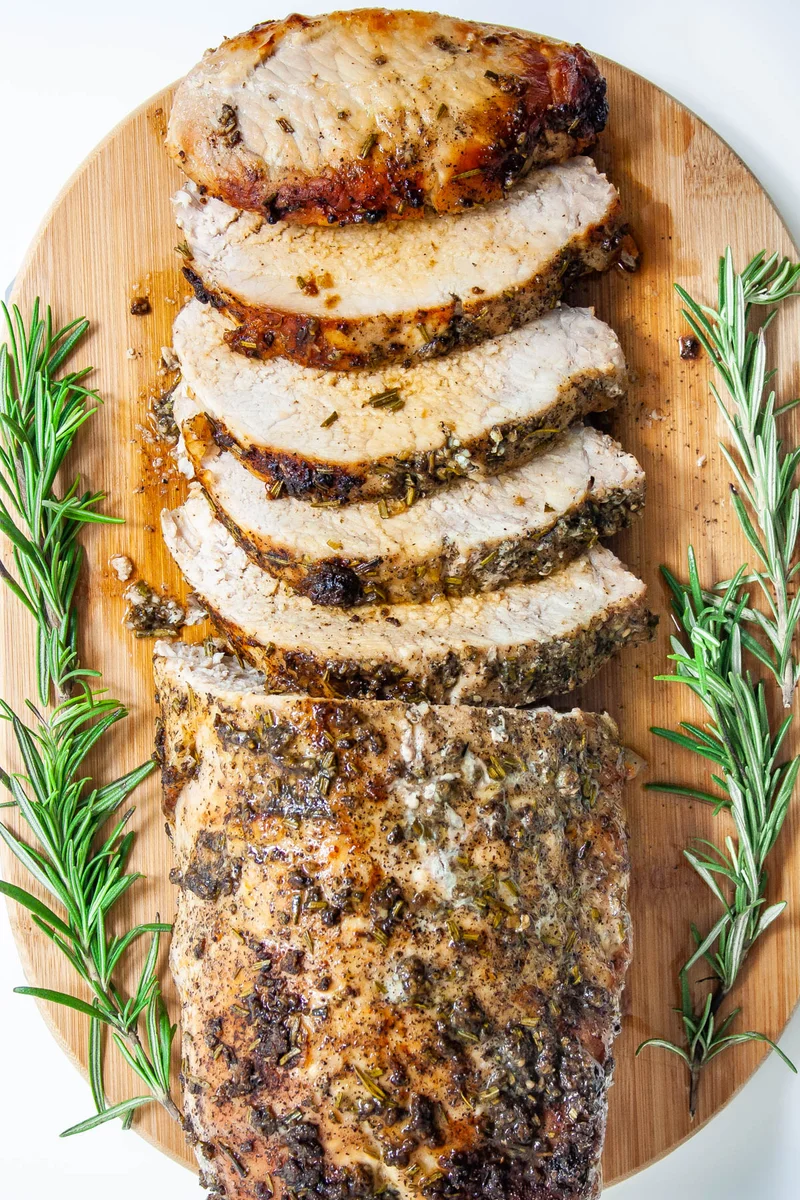
This American-style pork loin roast is seasoned with garlic, rosemary, salt and pepper, then roasted until tender. Its simple preparation suits a weeknight dinner, while the fragrant herb crust makes it welcome at a holiday table.
Ingredients
- 1.81 kg (4 lb)pork loin
- 6 clovesgarlic, minced
- 1 tsp (5 ml), or to tastesalt
- 1 tsp (5 ml), or to tastepepper
- 30 ml (2 tbsp)olive oil
- 15 ml (1 tbsp)fresh rosemary, minced
Instructions
- 1
Preheat the oven
Heat the oven to 190°C (375°F), positioning the rack in the middle.
- 2
Season the pork
Drizzle the olive oil over the pork loin. In a small bowl, combine the garlic, salt, pepper and rosemary, then rub the mixture over the pork.
- 3
Roast until ready
Roast the pork for 45–60 minutes, or until an instant-read thermometer inserted into the thickest part registers 63–71°C (145–160°F).
- 4
Rest and slice
Transfer the roast to a cutting board and leave it to rest for at least 15–20 minutes before slicing.
What is pork loin roast?
Pork loin roast is a large, lean cut of pork cooked whole and sliced to serve. It is a familiar American centrepiece for both everyday dinners and celebratory meals.
This version relies on a short list of classic seasonings rather than a complicated marinade. Garlic and rosemary bring savoury fragrance, while roasting keeps the preparation straightforward.
Nutrition and macros by portion
The nutrition label shows one serving as written: 335 calories, 50g protein, 1g carbs, 12g fat.
| Portion | Adjustment | kcal | Protein | Carbs | Fat |
|---|---|---|---|---|---|
| Lighter | More vegetables, less oil | 234 kcal | 35g | 1g | 8g |
| This serving | As written | 335 kcal | 50g | 1g | 12g |
| Hungry | Serve a larger slice | 503 kcal | 75g | 2g | 18g |
Pork loin supplies most of the protein, while olive oil contributes most of the fat; the listed carbs are minimal and mainly come from the garlic and rosemary. Serve it with vegetables and a modest portion of potatoes or another starch to round out the plate.
Choosing the pork
The cut: Use a pork loin roast, not pork tenderloin; they are different cuts and cook at different rates. The recipe is written for a 1.81 kg (4 lb) loin.
Building the seasoning
The oil: A drizzle of olive oil helps the minced garlic, rosemary, salt and pepper adhere to the surface.
The herbs: Fresh rosemary gives the roast a distinct, piney aroma. Mince it finely so it spreads evenly with the garlic.
Checking doneness
The thermometer: Insert an instant-read thermometer into the thickest part of the pork, avoiding guesswork based on the outside colour. The method gives a target range of 63–71°C (145–160°F).
The texture: After roasting, the pork should be firm but still sliceable. The stated cooking time is 45–60 minutes, but the thermometer reading is the recipe’s doneness cue.
Why resting matters
The pause: Rest the roast on a cutting board for at least 15–20 minutes before cutting. This also gives you time to finish the rest of the meal while keeping the roast intact for cleaner slices.
Serving the roast
The sides: Pair slices with roast potatoes and green vegetables for a traditional, filling plate. A crisp salad or simply cooked vegetables can make the meal feel lighter.
Recipe notes & tips
- Pat the pork surface dry before adding the oil and seasoning.
- Spread the garlic and rosemary mixture over the whole roast for even flavour.
- Use an instant-read thermometer in the thickest part rather than relying only on the cooking time.
- Let the roast rest for the full 15–20 minutes before slicing.
- Slice across the grain for more tender-feeling portions.
Variations
- Add thyme: Mix minced thyme with the rosemary for another savoury herbal note.
- Use dried rosemary: Substitute dried rosemary if fresh is unavailable, using a smaller amount to taste.
- Add citrus: Rub a little lemon zest into the garlic and herb mixture for a brighter aroma.
- Increase the garlic: Add extra minced garlic for a more pronounced savoury crust.
- Adjust the pepper: Use coarsely ground black pepper for a more noticeable peppery coating.
Common mistakes to avoid
- Using tenderloin: Choose pork loin, since tenderloin is a different, smaller cut that cooks differently.
- Skipping the thermometer: Check the thickest section with an instant-read thermometer to judge doneness.
- Seasoning unevenly: Rub the mixture over the whole surface rather than leaving it in one concentrated patch.
- Cutting too soon: Rest the roast for 15–20 minutes before slicing.
- Slicing with the grain: Cut across the visible muscle fibres for more tender-feeling slices.
How to store
Refrigerate leftover pork in a covered container and use within 3–4 days. Reheat gently until hot, adding a splash of water or stock if needed to help keep the slices moist.
Frequently asked questions
Can I use pork tenderloin instead?
This method and timing are for a 1.81 kg (4 lb) pork loin roast. Tenderloin is a different cut and needs a different cooking time.
How do I know when the roast is done?
Check the thickest part with an instant-read thermometer. The recipe specifies a reading of 63–71°C (145–160°F).
Can I prepare the seasoning ahead?
You can mince the garlic and rosemary and mix them with the salt and pepper ahead of time. Keep the mixture covered in the refrigerator until you season the pork.
Why does the roast need to rest?
The recipe calls for a 15–20 minute rest before slicing. It gives the roast a pause after cooking and helps make it easier to carve.
What should I serve with pork loin roast?
Roast potatoes and green vegetables make a classic pairing. For a lighter-feeling meal, serve it with a large salad or extra vegetables.
Can I reheat leftover slices?
Yes. Warm them gently until hot, with a little water or stock if they seem dry.
Cook it from the original
This recipe comes from cravinghomecooked.com. Their page has the author’s own photos, notes and tips — the best place to cook it from.
Open the recipe on cravinghomecooked.com