
Cauliflower cheese
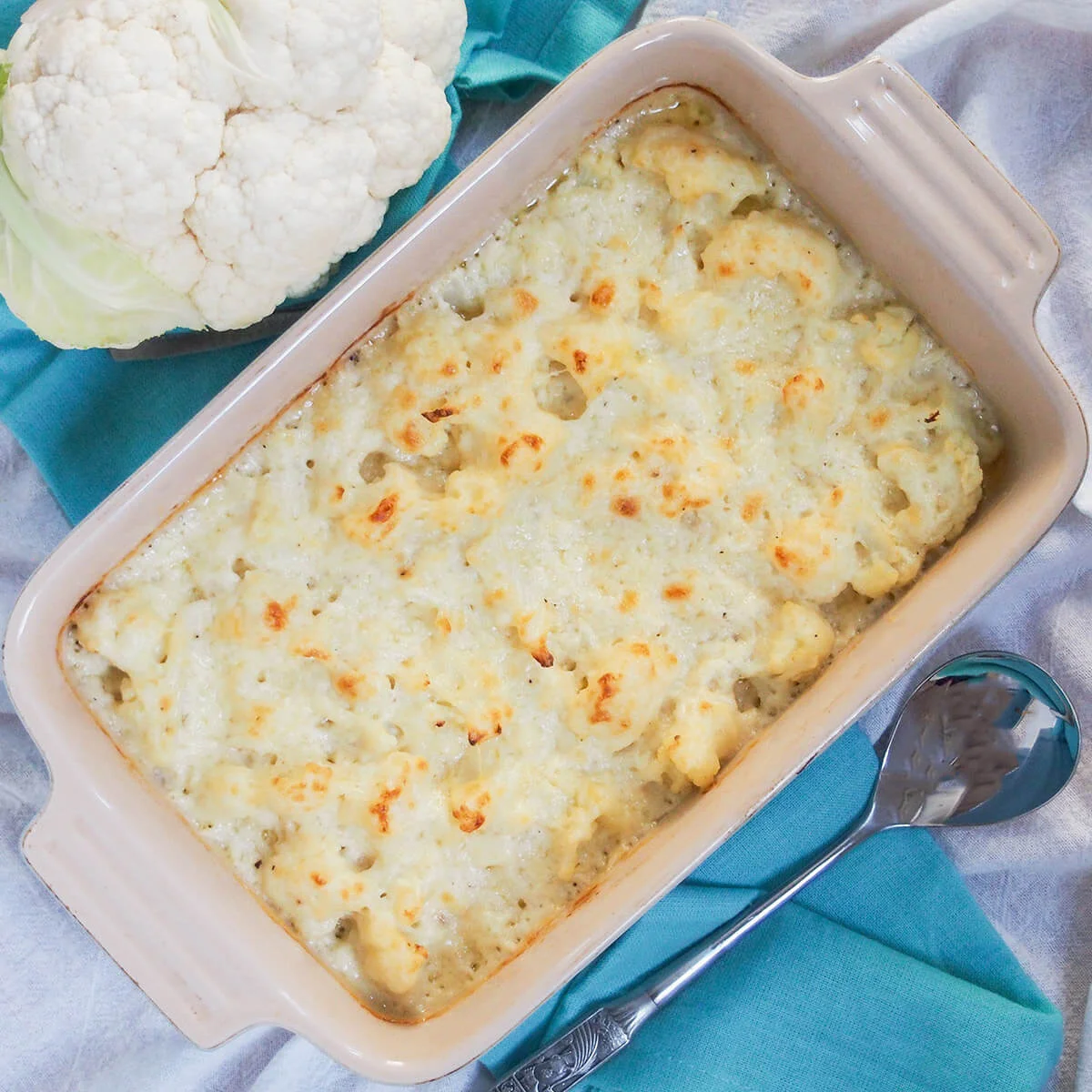
Cauliflower cheese is a British side of tender cauliflower covered in a creamy cheddar sauce and baked until lightly browned. It is comforting alongside roast meat, but also works with plenty of other main dishes.
Ingredients
- 340 gcauliflower florets (about ½ a head)
- 60 gmature cheddar, grated
- 28 gbutter
- 30 gplain flour
- 240 mlmilk
- ½ tsp (about 2.5 ml)English mustard or Dijon mustard
- ¼ tsp (about 1.25 ml)black pepper
- to tastesalt, for the cooking water
Instructions
- 1
Prepare the cauliflower
Cut the cauliflower into evenly sized florets so they cook at a similar rate. Grate the cheese and set it aside.
- 2
Heat the oven
Preheat the oven to 200°C (400°F).
- 3
Cook the florets
Bring a pot of salted water to the boil. Add the cauliflower and cook for around 3–5 minutes, depending on the size of the florets, until nearly tender but still offering slight resistance to a knife.
- 4
Arrange in dish
Drain the cauliflower and transfer it to a baking dish. Arrange it in a fairly close single layer or slightly overlapping, rather than spreading the pieces too far apart, so the sauce can coat them.
- 5
Make the roux
Melt the butter in a saucepan over a medium heat. When it has melted and is gently bubbling, stir in the flour and cook for 1 minute to form a paste.
- 6
Finish the sauce
Add the milk gradually, a little at a time, stirring each addition smooth and removing any lumps before adding more. Lower the heat slightly if the sauce thickens too quickly. Once all the milk is incorporated, cook for 1 minute to thicken a little, then stir in the mustard and pepper. Turn off the heat and mix in about two-thirds of the cheese, keeping the rest for the topping.
- 7
Bake until golden
Pour off any water that has collected in the baking dish, then pour the sauce over the cauliflower and coat it evenly. Scatter the reserved cheese over the top and bake for approximately 25 minutes, until the surface is just beginning to brown.
What is cauliflower cheese?
Cauliflower cheese is a familiar British baked side dish: cooked cauliflower is covered with cheese sauce and baked until bubbling and lightly browned. It is often served with a roast, though it can accompany a range of everyday meals.
This version uses a simple butter-and-flour base for the sauce, with mature cheddar for flavour and mustard for a gentle savoury edge.
Nutrition and macros by portion
The nutrition label shows one serving as written: 241 calories, 10g protein, 14g carbs, 17g fat.
| Portion | Adjustment | kcal | Protein | Carbs | Fat |
|---|---|---|---|---|---|
| Lighter | Use less cheese and butter | 169 kcal | 7g | 10g | 12g |
| This serving | As written | 241 kcal | 10g | 14g | 17g |
| Hungry | Serve a larger portion | 362 kcal | 15g | 21g | 26g |
The cauliflower provides most of the carbohydrate, while the milk and flour also contribute some. Cheddar, butter and milk supply much of the fat, and the cheddar and milk provide the protein; balance the plate with a leaner main and a green vegetable.
Choose evenly sized florets
Floret size: Cut the cauliflower into pieces of roughly similar size so they cook evenly during the short boiling stage.
Cheddar: Mature cheddar gives the sauce a pronounced cheese flavour. Grate it before you start so it is ready to stir in and sprinkle on top.
Keep the cauliflower slightly firm
Parboiling: Cook the florets for 3–5 minutes, adjusting for their size. They should be nearly cooked, with a little resistance when pierced, because they will soften further in the oven.
Draining: Let the water drain away well, and tip off any water that gathers in the baking dish before adding the sauce. This helps the finished dish stay creamy rather than watery.
Build a smooth cheese sauce
Roux: Cook the flour in the melted, gently bubbling butter for 1 minute, stirring to make a smooth paste.
Milk: Add the milk gradually and stir each addition smooth before pouring in more. If the sauce thickens too quickly, turn the heat down slightly; once all the milk is in, cook it for a further minute before seasoning and adding the cheese.
Get the right baking dish
Arrangement: A close single layer, or a slightly stacked arrangement, keeps the florets together so the sauce can cover them. A dish that is too wide may leave gaps that are harder to coat evenly.
Topping: Reserve some cheddar for the surface. It gives the top a cheesy finish as the dish bakes for about 25 minutes.
Serving ideas
Cauliflower cheese is a classic partner for roast meat and can also sit alongside other savoury mains. For a more substantial plate, serve it with potatoes and a green vegetable.
Bring it to the table after baking, while the cheese sauce is hot and the top has just started to brown.
Recipe notes & tips
- Cut the florets to a similar size so they cook at a similar pace.
- Grate the cheddar before making the sauce to keep the cooking process flowing.
- Stir the milk in gradually to help prevent lumps.
- Turn the heat down if the sauce thickens before all the milk has been added.
- Drain the cauliflower well before coating it with sauce.
- Keep the florets fairly close together in the baking dish so the sauce covers them.
Variations
- Try Dijon: use Dijon mustard instead of English mustard for a slightly different mustard note.
- Add extra cheddar: increase the cheese for a more pronounced topping.
- Use another cheese: replace some of the cheddar with another good-melting cheese.
- Add breadcrumbs: scatter a thin layer over the cheese before baking for a crisp finish.
- Add a little nutmeg: grate a small amount into the sauce for a warm, savoury note.
Common mistakes to avoid
- Uneven florets: cut them to a similar size so some do not become soft while others remain firm.
- Overcooked cauliflower: stop boiling while the florets still resist a knife, as they continue cooking in the oven.
- Lumpy sauce: add the milk in small amounts and stir each addition smooth before adding the next.
- Watery bake: drain the cauliflower thoroughly and tip off any liquid in the dish before adding sauce.
- Florets too spread out: arrange them fairly close together so they are coated by the sauce.
How to store
Cool leftovers, cover and refrigerate for up to 3 days. Reheat in the oven until piping hot throughout; the sauce may thicken as it cools.
Frequently asked questions
Can I prepare cauliflower cheese ahead?
You can cook the cauliflower and make the sauce in advance, then assemble the dish and refrigerate it. Bake it until piping hot and beginning to brown; a cold dish may need longer than the stated 25 minutes.
How do I know when the cauliflower is ready to boil?
After 3–5 minutes, a knife should meet a little resistance when pushed into a floret. Avoid cooking it until completely soft, as it will bake further.
Why is my cheese sauce lumpy?
The milk may have been added too quickly or not stirred in fully. Add it in small amounts and smooth each addition into the flour-and-butter paste before adding more.
Can I use Dijon mustard?
Yes. The recipe allows either English or Dijon mustard, so use the same amount of whichever you have.
Can I freeze cauliflower cheese?
It can be frozen, though the sauce may change texture slightly after thawing. Defrost it in the fridge and reheat in the oven until piping hot throughout.
Cook it from the original
This recipe comes from carolinescooking.com. Their page has the author’s own photos, notes and tips — the best place to cook it from.
Open the recipe on carolinescooking.com