
Tres Leches Cake
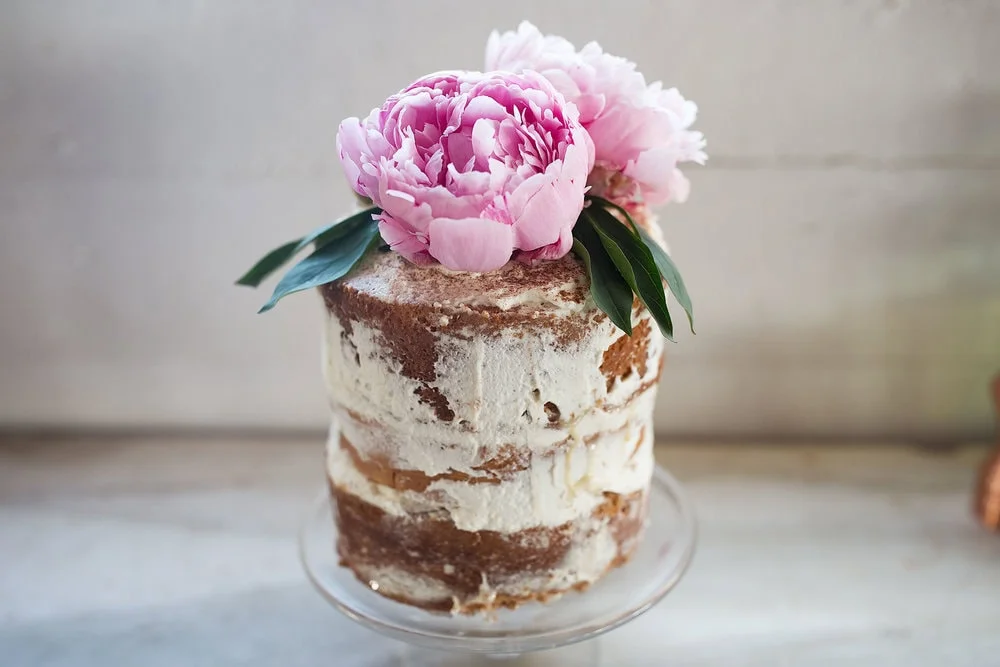
Tres leches cake is a soft Mexican sponge cake soaked with a mixture of evaporated milk, cream and sweetened condensed milk. This layered version is finished with a stable whipped-cream frosting and a dusting of cinnamon.
Ingredients
- 14 g (1 tablespoon)cold unsalted butter, for the cake pans
- 281 g (2 1/4 cups), plus extra for the pansplain flour
- 1 1/2 tablespoonsbaking powder
- 1/2 teaspoonground cinnamon
- 9egg whites
- 450 g (2 1/4 cups)sugar
- 5egg yolks
- 2 teaspoonsvanilla extract
- 180 ml (3/4 cup)whole milk
- 1 1/2 teaspoonsvanilla extract
- 355 ml (1 1/2 cups)evaporated skimmed milk
- 355 ml (1 1/2 cups)double cream
- 360 ml (1 1/2 cups)sweetened condensed milk
- 1 teaspoonunflavoured gelatine powder
- 710 ml (3 cups)double cream, for whipping
- 38 g (3 tablespoons)granulated sugar
- to tasteground cinnamon, for dusting
- to tasteflowers of your choice, optional, for decorating
Instructions
- 1
Prepare the pans
Heat the oven to 180°C (350°F). Butter and flour three 15 cm (6-inch) cake pans, then line each base with a circle of baking parchment.
- 2
Make the batter
Whisk the flour, baking powder and cinnamon together in a large bowl. Using a stand mixer with the whisk attachment, beat the egg whites to stiff peaks, about 7 minutes. Gradually beat in the sugar, then add the egg yolks one at a time, beating well after each addition.
- 3
Add milk and flour
Beat in 2 teaspoons of vanilla. Add the flour mixture and whole milk alternately, beginning and ending with the flour mixture.
- 4
Bake the cakes
Divide the batter evenly between the prepared pans. Bake for about 25 minutes, until golden and a knife inserted in the centre comes out clean.
- 5
Cool and level
Leave the cakes in their pans for 15 minutes. Run a knife across the tops to level them, then turn the cakes out onto wire racks and leave to cool completely.
- 6
Mix the milk sauce
Whisk the remaining 1 1/2 teaspoons of vanilla with the evaporated milk, 355 ml of double cream and condensed milk until combined. Pierce the tops of the cooled cakes all over with a skewer or fork.
- 7
Soak the layers
Slowly drizzle half the sauce evenly over the cakes and leave them for at least 10 minutes to absorb it. Spoon any sauce that has pooled beneath the cakes back over the tops, then pour on the remaining sauce and let it soak in.
- 8
Stabilise the cream
Chill a medium mixing bowl and the stand-mixer beaters for at least 15 minutes. In a small saucepan over medium-low heat, stir the gelatine into 60 ml (1/4 cup) of water until dissolved.
- 9
Whip the frosting
Take the gelatine off the heat and leave it to cool without letting it set. Put the 710 ml of whipping cream and granulated sugar in the chilled bowl and whisk at medium speed for about 2 minutes, until slightly thickened. Add the gelatine and whisk at high speed until the cream is thick and forms stiff peaks.
- 10
Stack the layers
Put some frosting in a piping bag fitted with a medium round nozzle. Pipe an even ring on the bottom layer, slightly in from the edge so the frosting can spread when the cakes are stacked. Fill the centre with more frosting and smooth it with a spatula so the next layer sits level. Carefully stack the next layer and repeat with the remaining layers.
- 11
Finish and chill
Frost the top and spread some frosting around the sides with a spatula. Dust with cinnamon and, if using, arrange flowers on top. Refrigerate until ready to serve, and remove any flowers before cutting into equal portions.
What is tres leches cake?
Tres leches means “three milks” in Spanish, referring to the combination of evaporated milk, cream and sweetened condensed milk that soaks into the sponge. The cake is associated with Latin America, including Mexico, where it is a familiar celebration dessert.
This version makes three separate sponge layers, so the milk mixture can soak through while the layers are assembled with whipped cream. Cinnamon gives the sweet, milky cake a warm finish.
Nutrition and macros by portion
The nutrition label shows one serving as written: 1152 calories, 19g protein, 144g carbs, 59g fat.
| Portion | Adjustment | kcal | Protein | Carbs | Fat |
|---|---|---|---|---|---|
| Lighter | Smaller cake slice | 806 kcal | 13g | 101g | 41g |
| This serving | As written | 1152 kcal | 19g | 144g | 59g |
| Hungry | Larger cake slice | 1728 kcal | 29g | 216g | 89g |
The sponge and sugar provide most of the carbohydrates, while the cream, butter and condensed milk contribute much of the fat. Eggs and milk add protein. Serve a slice with fresh fruit, or alongside a lighter meal, to balance the rich cake.
Building an airy sponge
Egg whites: beat them until they hold stiff peaks before adding the sugar gradually. This whipped base gives the cake its light texture and helps it take up the milk sauce.
Flour mixture: fold its flavour into the batter by adding it alternately with the milk, starting and finishing with flour. Mix only until combined to avoid knocking out too much air.
Getting an even bake
Divide the batter as evenly as you can between the three prepared pans so the layers bake at a similar rate. The stated baking time is about 25 minutes, but use the golden colour and clean knife test as the doneness cues.
Cool the cakes fully before adding the milk mixture. Level the tops after the brief pan rest, which helps the finished layers sit neatly when stacked.
Helping the three milks soak in
Pierce the cooled cakes all over with a skewer or fork so the sauce has paths into the sponge. Pour it on gradually rather than all at once, giving the first half at least 10 minutes to absorb.
Spoon pooled liquid back over the cakes before adding the rest. The sponge should take in the sauce; allow time for it to sink in before assembling.
Whipping a stable frosting
Chill the bowl and beaters for at least 15 minutes before whipping the cream. Dissolve the gelatine in water and let it cool, but do not leave it until it sets.
Add the gelatine after the cream has begun to thicken, then whip to stiff peaks. For the layer filling, pipe a ring just inside the edge; that small gap gives the frosting room to spread as the cake is stacked.
Serving and decorating
A light dusting of cinnamon balances the milky sweetness, while edible flowers can make the cake feel celebratory. If you decorate with flowers, remove them before cutting and serving.
Serve chilled, in equal slices. Fresh berries or tart fruit on the side can bring a bright contrast to the rich cake.
Recipe notes & tips
- Measure the batter into the pans as evenly as possible for layers that finish at a similar height.
- Beat the egg whites to stiff peaks before gradually adding the sugar.
- Use a skewer to make holes across the whole cake surface so the sauce can spread through the sponge.
- Pour the milk mixture in stages and give it time to soak in between additions.
- Wait until the gelatine mixture is cool before adding it to the cream, but use it before it sets.
- Keep the cake refrigerated until serving.
Variations
- Add berries: serve fresh berries alongside the cake for a tart contrast.
- Use a cinnamon finish: add a little extra ground cinnamon over the frosting before serving.
- Decorate with flowers: arrange suitable flowers on top, then remove them before slicing.
- Serve with fruit: add sliced mango or another ripe fruit alongside each piece.
- Make a simple finish: leave off the flowers and use only the cinnamon dusting.
Common mistakes to avoid
- Soft egg whites: continue whisking until stiff peaks form before adding the sugar.
- Overmixed batter: stop mixing once the flour and milk are incorporated to keep the sponge airy.
- Uneven layers: divide the batter carefully between the three pans before baking.
- Sauce poured too quickly: add it gradually so the sponge has time to absorb it.
- Gelatine left to set: let it cool, then add it to the cream while it is still liquid.
- Frosting to the very edge: pipe the ring slightly in from the edge so it has space to spread.
How to store
Keep the assembled cake covered in the refrigerator and serve it chilled. For best texture, eat it within 3 days; remove any flowers before storing or serving.
Frequently asked questions
Can I make the cake layers ahead?
Yes. Bake and cool the layers, then store them covered until you are ready to add the milk sauce and assemble the cake.
How do I know when the sponge is baked?
The tops should be golden, and a knife inserted in the centre should come out clean. The recipe gives an approximate baking time of 25 minutes.
Why do I need to poke holes in the cakes?
The holes help the three-milk sauce enter the sponge. Pierce the surface all over before slowly pouring on the sauce.
Can I skip the gelatine in the frosting?
The method uses gelatine to stabilise the whipped cream. Without it, the frosting may not hold its shape as well between the layers.
Do I have to use flowers?
No. They are optional decoration; cinnamon alone is enough to finish the cake. Remove any flowers before cutting.
Should tres leches cake be served chilled?
Yes. The recipe says to refrigerate the cake until serving, which also gives the soaked layers and frosting time to settle.
Cook it from the original
This recipe comes from cookingwithcocktailrings.com. Their page has the author’s own photos, notes and tips — the best place to cook it from.
Open the recipe on cookingwithcocktailrings.com