
Bata Macher Jhal Recipe | বাটা মাছের ঝাল সব থেকে সহজ পদ্ধতিতে
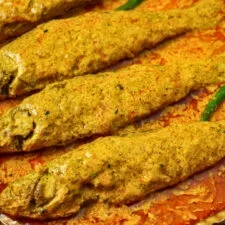
Bata macher jhal is a Bengali fish curry cooked in a pungent mustard sauce, with tomato and green chilli for warmth and tang. Serve it hot with rice for a straightforward meal that makes the most of a short simmer and a freshly ground paste.
Ingredients
- 500 g (about 7 pieces)bata fish, cleaned and cut into pieces
- a little for the marinade, plus 1 tsp for the sauceground turmeric
- to tastesalt
- 1–2 tsp for the marinade, plus ½ tsp for the pastemustard oil
- 2 tbspblack mustard seeds
- 2 tbspyellow mustard seeds
- 1 tsppoppy seeds
- a few slicesfresh ginger
- a fewgreen chillies
- 2–3 pieces, optionalcashews
- a little for the paste, plus as needed for the gravywater
- 100–150 mlmustard oil, for frying
- 1 tspnigella seeds
- ½ tspKashmiri chilli powder
- 3tomatoes, chopped
- a few, slit, for garnishgreen chillies
Instructions
- 1
Marinate the fish
Coat 500 g of bata fish, about seven pieces, with a little turmeric, salt and 1–2 teaspoons of mustard oil. Mix well and leave the fish coated while you prepare the paste.
- 2
Make mustard paste
Grind the black and yellow mustard seeds with the poppy seeds, a few ginger slices, several green chillies and 2–3 cashews, if using. Add ½ teaspoon mustard oil and a little water, then grind to a smooth paste. If you have time, soak the seeds before grinding for 10–15 minutes.
- 3
Fry the fish
Heat 100–150 ml mustard oil in a pan. Fry the fish in batches over medium-high heat, turning once the first side is lightly fried. Give the other side the same light fry; do not fry the pieces until crisp.
- 4
Cook the tomatoes
In the oil used to fry the fish, add 1 teaspoon nigella seeds, 1 teaspoon turmeric and ½ teaspoon Kashmiri chilli powder, and stir briefly. Add the tomatoes and cook over low to medium heat for 1–2 minutes, stirring until they begin to soften and break down.
- 5
Cook the paste
Add the prepared mustard paste and cook it down, stirring, until its raw mustard smell has gone. Season with salt to taste and keep cooking for about 8–10 minutes.
- 6
Add water
Once the raw smell has disappeared, add water as needed for the gravy. Keep the heat at medium, stir to combine and simmer for at least 2–3 minutes, until the sauce comes to a boil.
- 7
Simmer the fish
Lower the heat and add the fried fish pieces. Rather than stirring with a spoon, gently shake or move the pan to mix them into the sauce. Simmer for 4–5 minutes, until the extra water has reduced and the fish is cooked through. Finish with a few slit green chillies.
What is bata macher jhal?
Bata macher jhal is a Bengali fish curry whose name describes a spicy, sauce-based preparation of bata fish. Mustard is a defining flavour in many Bengali fish dishes, and here it gives the gravy its sharp, earthy character.
This version combines black and yellow mustard with poppy seeds, ginger and chillies, then balances the paste with softened tomatoes. The fish is lightly fried first, so it can finish cooking gently in the sauce.
Nutrition and macros by portion
The nutrition label shows one serving as written: 300 calories, 21g protein, 9g carbs, 20g fat.
| Portion | Adjustment | kcal | Protein | Carbs | Fat |
|---|---|---|---|---|---|
| Lighter | Use less frying oil | 210 kcal | 15g | 6g | 14g |
| This serving | As written | 300 kcal | 21g | 9g | 20g |
| Hungry | Serve with extra rice | 450 kcal | 32g | 14g | 30g |
The fish provides most of the protein, while the tomatoes and any rice served alongside contribute carbohydrates. Mustard oil, frying oil and cashews account for much of the fat. Pair a portion with a generous serving of vegetables and a measured portion of rice for a more balanced plate.
Choosing the fish and mustard
Bata fish: The recipe calls for 500 g, or about seven pieces. Have it cleaned and cut into pieces before starting, and handle it gently when frying and simmering.
Mustard seeds: Black and yellow mustard are ground together for a rounded, assertive paste. Cashews are optional; the recipe uses them to soften the paste's bitterness, while a little mustard oil helps it grind smoothly.
Making a smooth paste
Soaking: If time allows, soak the mustard and other paste ingredients for 10–15 minutes before grinding. Add only a little water at first, then adjust until the paste is smooth enough to cook into the gravy.
Grinding: Mustard can taste harsh if it is overworked or left too coarse. The cashews are optional, but they add a mellow note to the finished paste.
Frying without drying the fish
Oil temperature: Heat the mustard oil well before adding the fish, then fry in batches over medium-high heat. Avoid crowding the pan, which can lower the temperature and make the fish steam.
Light browning: Fry each side only until lightly coloured, as the pieces will cook further in the sauce. Turn carefully so they hold together.
Cooking out the mustard
Tomatoes first: Cook the chopped tomatoes over low to medium heat for 1–2 minutes, until they start to soften. This creates a base for the mustard paste rather than leaving the tomatoes raw in the gravy.
Paste stage: Stir the paste into the tomato mixture and cook for about 8–10 minutes. Look for the raw mustard aroma to fade before adding water; keep stirring so the paste cooks evenly.
Getting the sauce and fish right
Gravy: Add water to suit the amount of sauce you want, then simmer for at least 2–3 minutes until it boils. The final 4–5 minute simmer with the fish reduces excess liquid and lets the flavours come together.
Gentle handling: Once the fish is in the gravy, avoid stirring it with a spoon. Gently move or shake the pan instead, and check that the fish is cooked through without breaking the pieces.
Serving with rice
Serve the curry hot with plain rice, which suits the mustard gravy and makes it easy to enjoy every spoonful. Add a simple vegetable side if you want a more varied plate.
The slit green chillies go in at the end as a garnish. Use fewer or remove them if you prefer a milder finish.
Recipe notes & tips
- Pat the fish dry before marinating so it is easier to fry without spluttering.
- Fry the fish in batches to maintain the pan temperature.
- Add water gradually to the ground paste so it stays smooth rather than watery.
- Cook the mustard paste until its raw aroma fades before adding water.
- Move the pan gently after adding the fish instead of stirring with a spoon.
- Taste the gravy for salt before adding the fish.
Variations
- Milder curry: Use fewer green chillies in the paste and omit the garnish chillies.
- Skip the cashews: Leave them out for a sharper mustard flavour.
- Thicker gravy: Add a little less water and let the sauce reduce during the final simmer.
- More tomato: Add extra chopped tomato for a fruitier, softer-edged sauce.
- Less oil: Use the lower end of the frying-oil quantity and drain the lightly fried fish briefly before adding it to the gravy.
Common mistakes to avoid
- Crowding the pan: The fish may steam rather than fry; cook it in batches.
- Over-frying the fish: It can turn dry before it reaches the sauce; fry each side only until lightly coloured.
- Adding too much water to the paste: The paste can become difficult to cook down; add water a little at a time.
- Rushing the mustard paste: Its raw smell can linger; cook it for about 8–10 minutes until that aroma fades.
- Stirring the fish with a spoon: The pieces can break apart; gently move or shake the pan instead.
How to store
Refrigerate leftovers in a covered container and use within 2 days. Reheat gently in a pan until piping hot, adding a splash of water if the gravy has thickened; avoid vigorous stirring.
Frequently asked questions
Can I make the mustard paste ahead?
Yes. Grind it shortly before cooking or refrigerate it in a covered container and use it within a day for the freshest flavour.
Do I need to soak the mustard seeds?
No, soaking is optional. The method suggests soaking the paste ingredients for 10–15 minutes if you have time.
Are the cashews essential?
No. They are optional and are included to mellow the mustard's sharpness; the curry can be made without them.
How much water should I add?
The recipe gives no exact quantity. Add enough to make the amount of gravy you want, then simmer it before adding the fish.
How can I tell when the fish is cooked?
After simmering for 4–5 minutes, the fish should be cooked through and the extra water should have reduced. Handle it gently so the pieces stay intact.
What should I serve with bata macher jhal?
Hot plain rice is the suggested pairing. A simple vegetable side also works well.
Cook it from the original
This recipe comes from atanurrannagharrecipe.com. Their page has the author’s own photos, notes and tips — the best place to cook it from.
Open the recipe on atanurrannagharrecipe.com