
Cauliflower soup
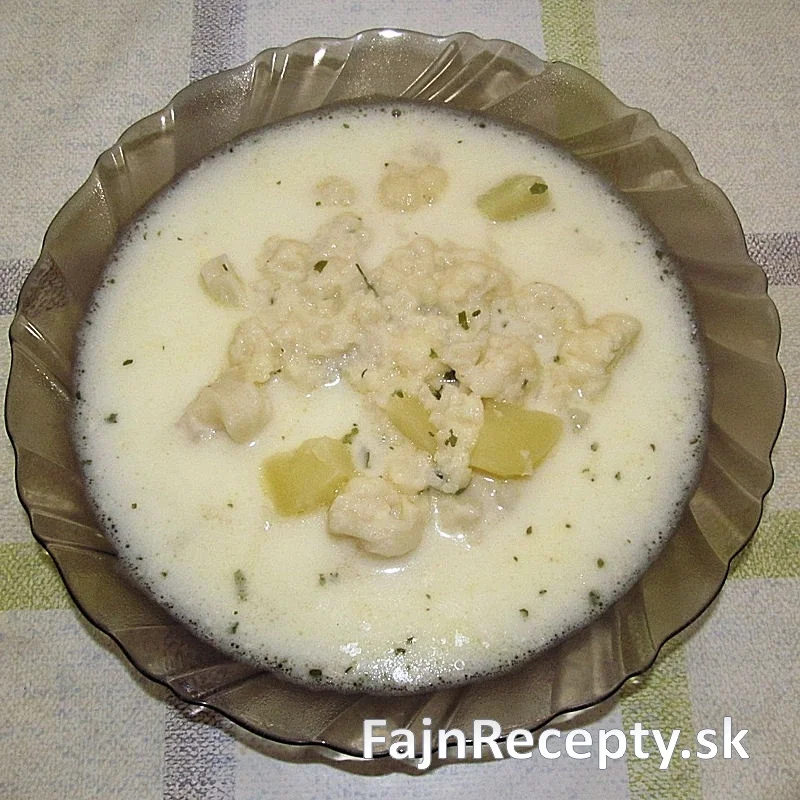
This gentle cauliflower and potato soup is finished with a light butter-and-flour roux, milk and cooking cream. Serve it as it is, or blend it partially for a creamy texture with a few pieces left whole.
Ingredients
- 1 fresh cauliflower or 1 bag frozen cauliflowercauliflower
- 1 tbspbutter
- 4potatoes
- 1 tbspplain flour
- 100 mlmilk
- 120 mlcooking cream
- enough to cover the vegetableswater
- a pinchgrated nutmeg
- to tastesalt
- to tasteparsley
Instructions
- 1
Prepare cauliflower
Separate the cauliflower into florets, cutting away and discarding the stalk.
- 2
Cut potatoes
Dice the potatoes and add them to the pan with the cauliflower.
- 3
Cover with water
Add cold or hot water, just enough to cover the cauliflower and potatoes. Do not add salt yet.
- 4
Cook until tender
Simmer over a low heat until both the potatoes and cauliflower are soft.
- 5
Make the roux
Melt the butter and stir in the flour, keeping the roux pale rather than letting it brown. Add the milk, cream and about 100 ml water, then pour the mixture into the soup through a sieve.
- 6
Finish cooking
Continue cooking until the cauliflower and potatoes are completely tender.
- 7
Season and serve
Add the nutmeg and chopped fresh or dried parsley. Season with salt, simmer for 2 minutes, then take the pan off the heat and add more salt if needed.
What is cauliflower soup?
Cauliflower soup is a simple vegetable soup found in many Central European home kitchens, including Slovak cooking. This version combines cauliflower and potatoes with a pale butter-and-flour roux enriched with milk and cooking cream.
The potatoes give the broth body, while the roux helps it feel smooth and cohesive. It can be served chunky or partially blended, as described in the recipe.
Nutrition and macros by portion
The nutrition label shows one serving as written: 125 calories, 4g protein, 19g carbs, 4g fat.
| Portion | Adjustment | kcal | Protein | Carbs | Fat |
|---|---|---|---|---|---|
| Lighter | Use less cooking cream | 88 kcal | 3g | 13g | 3g |
| This serving | As written | 125 kcal | 4g | 19g | 4g |
| Hungry | Serve a larger bowl | 188 kcal | 6g | 29g | 6g |
The potatoes provide most of the carbohydrates, while the butter and cooking cream contribute much of the fat. Cauliflower, milk and the other vegetables provide some protein, but this is mainly a vegetable-based soup; serve it with a protein-rich side if you want a more balanced plate.
Choosing the vegetables
Cauliflower: Use a fresh head or frozen florets; cut away the tough stalk and keep the florets in similarly sized pieces so they cook evenly.
Potatoes: Dice them into small, even cubes. They should become tender alongside the cauliflower and help thicken the soup as they soften.
Keep the roux pale
Butter and flour: Cook the flour in the melted butter without browning it. A pale roux gives the soup a mild flavour and avoids adding toasted notes that could compete with the vegetables.
Liquid: Stir in the milk, cream and a little water, then strain the mixture into the soup as directed. This helps catch any lumps before they reach the pan.
Check the texture
Vegetables: The cauliflower and potatoes should be soft before the soup is finished. Test a piece of each with a fork; if either is still firm, continue simmering.
Blending: For a creamier bowl, use a hand blender briefly and leave a few pieces of cauliflower and potato whole. Blend cautiously to keep the texture partly chunky.
Season at the end
Salt: The vegetables cook in unsalted water first, and the soup is seasoned near the end. Taste after the final 2-minute simmer and adjust the salt if needed.
Nutmeg and parsley: Add these towards the finish so their gentle aroma remains noticeable. Chopped fresh parsley or dried parsley can be used.
Serving ideas
Serve the soup hot as a light main or a first course. Bread makes a simple accompaniment, while a salad can add freshness and crunch to the meal.
For a smoother-looking bowl, partially blend the soup rather than puréeing it completely. Keep a few vegetable pieces visible for contrast.
Recipe notes & tips
- Cut the potatoes into even cubes so they soften at a similar rate.
- Add only enough water to cover the vegetables, as directed, to avoid diluting the soup.
- Keep the roux pale by stirring it over gentle heat.
- Pour the roux mixture through a sieve to catch any lumps.
- Blend only briefly if you want some cauliflower and potato pieces to remain whole.
Variations
- Extra parsley: Stir in a little more chopped parsley just before serving.
- Chunky texture: Skip blending and serve the vegetables whole.
- Smoother soup: Blend for longer, stopping when the soup reaches your preferred consistency.
- Fresh cauliflower: Use a fresh head and separate it into evenly sized florets.
- Frozen cauliflower: Add frozen florets directly to the pan and cook until tender.
Common mistakes to avoid
- Browning the roux: Keep it pale over gentle heat for the mild flavour intended here.
- Adding too much water: Cover the vegetables only, so the finished soup does not become thin.
- Salting too early: Wait until the end, then taste and adjust.
- Undercooking the vegetables: Simmer until both the potatoes and cauliflower are fully soft.
- Over-blending: Blend briefly and leave some pieces whole if you want the texture described.
How to store
Cool leftovers promptly, transfer them to an airtight container and refrigerate for up to 3 days. Reheat gently in a saucepan, stirring occasionally; add a splash of water or milk if the soup has thickened.
Frequently asked questions
Can I use frozen cauliflower?
Yes. The ingredient list allows a bag of frozen cauliflower. Cook it with the potatoes until both are soft.
Do I need to peel the potatoes?
The method does not specify whether to peel them. Peel them if you prefer a smoother texture, or leave the skins on if they are clean and you like a more rustic soup.
Can I blend the whole soup?
Yes. Blend it to your preferred consistency; for the texture described, leave a few pieces of potato and cauliflower whole.
How do I stop the roux from going lumpy?
Stir the milk, cream and water into the pale butter-and-flour mixture, then pour it into the soup through a sieve as the method instructs.
When should I add the salt?
The recipe leaves the water unsalted while the vegetables cook. Season after adding the nutmeg and parsley, simmer for 2 minutes, then taste and adjust.
Cook it from the original
This recipe comes from fajnrecepty.sk. Their page has the author’s own photos, notes and tips — the best place to cook it from.
Open the recipe on fajnrecepty.sk