
Kanda Pohe with Bajra Flakes
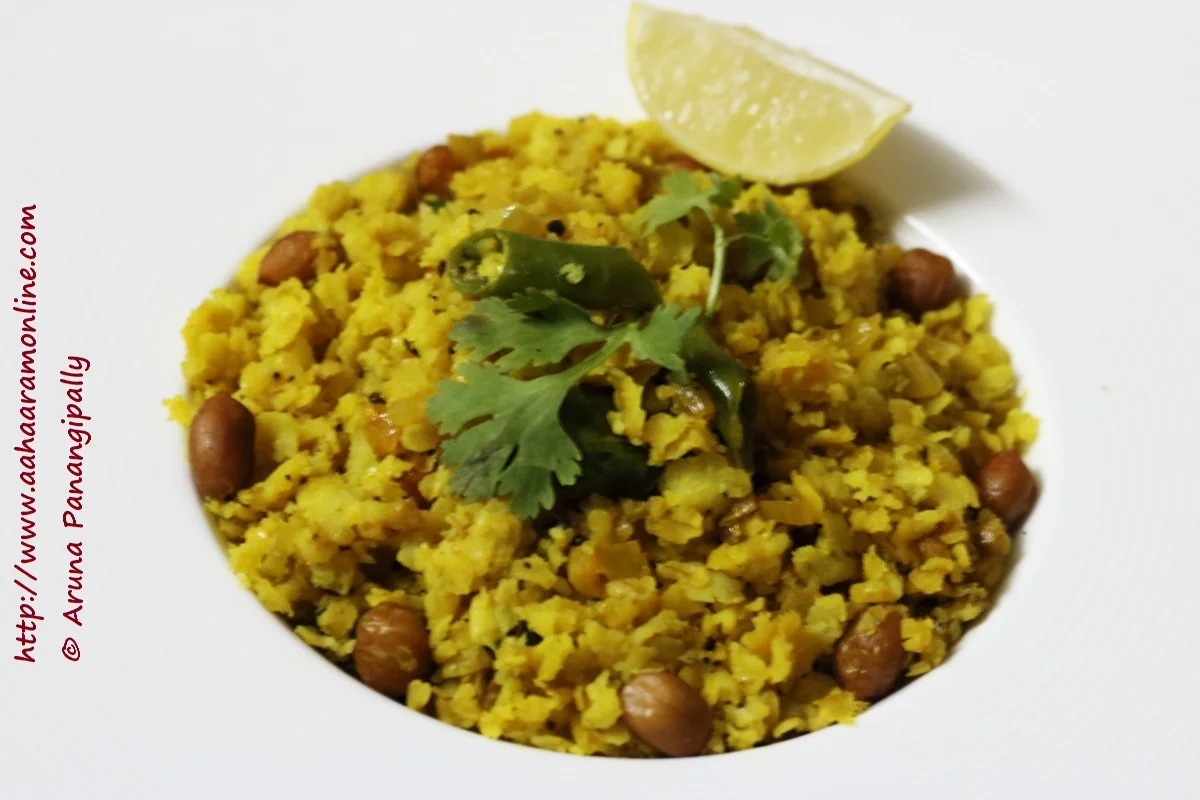
Kanda pohe is a savoury Indian breakfast of seasoned flakes, onion and peanuts; this version uses bajra flakes for a hearty, millet-based variation. Soaking the flakes before cooking helps them soften and take on the flavours of the tempering.
Ingredients
- 2 cups (about 480 ml)bajra flakes (kambu aval | sajjalu atukulu | bajriche pohe)
- ¾ cup (180 ml)finely chopped onions
- ⅓ cup (about 80 ml)peanuts
- 4–6green chillies
- ½ tsp (2.5 ml)sugar
- 1 tbsp (15 ml)oil
- 1 tsp (5 ml)mustard seeds
- 1 tsp (5 ml)cumin seeds
- ⅔ tsp (about 3.3 ml)turmeric
- ⅓ tsp (about 1.7 ml)asafoetida
- A fewcurry leaves
- To tastesalt
- To tastelemon juice
- To tastefresh coriander, for garnish
Instructions
- 1
Salt the water
Dissolve 1 tsp salt in about 4 cups water.
- 2
Soak the flakes
Add the bajra flakes and leave them to soak for 10 minutes. They are often drier and firmer than rice flakes, and the salted water helps season them as they absorb moisture.
- 3
Drain the flakes
Drain the flakes into a colander and leave them for about 30 minutes.
- 4
Squeeze gently
At regular intervals, gently squeeze out excess water, as it may not drain away readily. Avoid pressing so hard that the flakes break, then set them aside.
- 5
Heat the oil
Heat the oil in a kadhai.
- 6
Temper the seeds
Add the mustard seeds and wait for them to splutter. Add the cumin seeds and stir-fry for a few seconds.
- 7
Cook the peanuts
Add the peanuts and stir-fry until they pop.
- 8
Soften the onion
Add the onion, green chillies and curry leaves. Stir-fry until the onions are transparent.
- 9
Season the mixture
Add the salt, sugar, turmeric and asafoetida, then mix well.
- 10
Add the flakes
Add the drained bajra flakes and mix well.
- 11
Finish and serve
Squeeze lemon juice over the pohe and mix. Garnish with chopped coriander and serve hot.
What is kanda pohe?
Kanda pohe is a western Indian breakfast dish whose name refers to onion and flattened rice. It is commonly made by seasoning softened flakes with a tempering of seeds, chillies and curry leaves.
This version swaps rice flakes for bajra flakes, also known by regional names such as kambu aval and sajjalu atukulu. The salted soak and gentle draining help the firmer flakes soften while keeping them intact.
Nutrition and macros by portion
The nutrition label shows one serving as written: 280 calories, 8g protein, 42g carbs, 11g fat.
| Portion | Adjustment | kcal | Protein | Carbs | Fat |
|---|---|---|---|---|---|
| Lighter | Use less oil and peanuts | 196 kcal | 6g | 29g | 8g |
| This serving | As written | 280 kcal | 8g | 42g | 11g |
| Hungry | Serve a larger portion | 420 kcal | 12g | 63g | 17g |
Bajra flakes provide most of the carbohydrates, while peanuts contribute both protein and fat; the oil adds further fat. Serve a portion with fruit or vegetables for a more balanced plate.
Why the flakes need soaking
Bajra flakes: These can be drier and tougher than rice flakes, so give them the full 10-minute soak in salted water. The salt also seasons them as they take up moisture.
Draining: Leave the flakes in a colander for about 30 minutes, squeezing gently at intervals. They hold water, so remove excess carefully rather than crushing them.
Building the tempering
Mustard and cumin: Let the mustard seeds splutter before adding cumin, then stir the cumin for only a few seconds. This order gives each spice its moment in the hot oil.
Peanuts and aromatics: Stir-fry the peanuts until they pop, then add onion, chillies and curry leaves. Cook the onion until transparent before adding the powdered seasonings.
Getting the texture right
The flakes should be softened but still hold their shape when mixed into the tempering. If they feel wet, drain and squeeze them gently again before adding them to the pan.
Fold and mix with care once the flakes are in the kadhai. Vigorous stirring can break them up, while a final squeeze of lemon adds freshness without needing a longer cook.
Timing the preparation
The soaking takes 10 minutes and the colander stage about 30 minutes, making the preparation time a key part of the stated 40-minute total. Use the draining time to chop the onion and prepare the other ingredients.
The cooking steps follow quickly once the flakes are ready. Have the spices and aromatics close by so they can be added in sequence.
Serving suggestions
Serve the pohe hot, just after adding lemon and coriander. A spoonful of plain yoghurt or a side of fresh fruit can round out a breakfast plate.
For a more substantial meal, pair it with a simple vegetable side. Keep extra lemon wedges at the table for anyone who wants more tang.
Recipe notes & tips
- Use salted water for soaking so the flakes absorb seasoning as they soften.
- Squeeze the flakes gently at intervals to remove water without breaking them.
- Wait for the mustard seeds to splutter before adding the cumin.
- Keep the peanuts moving in the pan until they pop.
- Add the lemon juice at the end and mix it through evenly.
- Chop the coriander shortly before serving for a fresh garnish.
Variations
- Adjust the heat: Use fewer green chillies for a milder breakfast.
- Add vegetables: Stir in finely chopped vegetables with the onion and cook until tender.
- Boost the citrus: Serve with extra lemon wedges for a sharper finish.
- Change the garnish: Add a little extra fresh coriander just before serving.
- Make it nut-free: Omit the peanuts for a version without them.
Common mistakes to avoid
- Skipping the soak: Bajra flakes may stay firm; soak them for the full 10 minutes.
- Rushing the drain: Excess water can leave the pohe soggy; allow about 30 minutes and squeeze gently at intervals.
- Crushing the flakes: Hard squeezing breaks them apart; use light pressure to remove water.
- Adding cumin too early: It can cook for too long; add it after the mustard seeds splutter.
- Over-stirring: The flakes can break up; mix gently after adding them to the pan.
How to store
Cool leftovers promptly, refrigerate in a covered container and eat within 2 days. Reheat in a pan over low heat, stirring gently; add a small splash of water if the flakes seem dry.
Frequently asked questions
Can I use rice flakes instead of bajra flakes?
Yes, rice flakes can be used, but they may need less soaking because bajra flakes tend to be firmer. Check their texture as they soak.
Why do the flakes need to drain for so long?
Bajra flakes can retain water rather than letting it run off easily. The colander time and gentle squeezing help remove excess moisture.
How can I tell when the onion is ready?
Cook it until it looks transparent, as directed, before adding the seasonings.
Can I prepare the flakes ahead?
You can soak and drain them ahead, then keep them covered in the refrigerator and cook them when needed. Mix gently when adding them to the tempering.
How spicy is this recipe?
It depends on the chillies. Use four for less heat or up to six for a hotter result.
Can I leave out the peanuts?
Yes. The pohe will still have the onion, spice and citrus flavours, though it will lose the peanuts' crunch.
Cook it from the original
This recipe comes from aahaaramonline.com. Their page has the author’s own photos, notes and tips — the best place to cook it from.
Open the recipe on aahaaramonline.com