
Stovetop Mac and Cheese
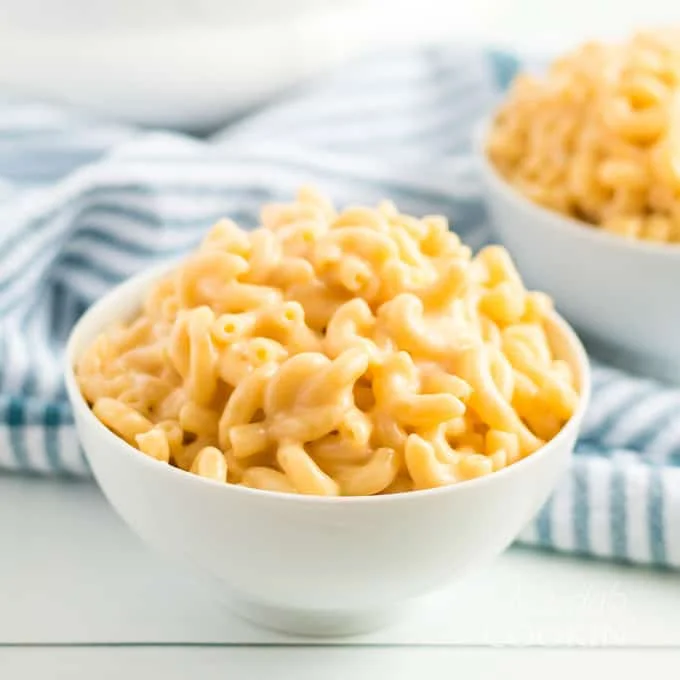
This American stovetop mac and cheese pairs elbow macaroni with a homemade cheddar sauce. It comes together in about 25 minutes and is a comforting choice when you want a creamy pasta supper without baking.
Ingredients
- 454 g (1 pound)dried elbow macaroni
- 57 g (4 tablespoons)unsalted butter
- 32 g (4 tablespoons)plain flour
- 5 g (1 teaspoon)salt
- 0.5 g (¼ teaspoon)pepper
- 0.5 g (¼ teaspoon)paprika
- 0.5 g (¼ teaspoon)dry mustard
- 480 ml (2 cups)milk
- 226 g (2 cups)shredded Cheddar cheese
Instructions
- 1
Boil the water
Put a covered stock pot of water over high heat and bring it to the boil.
- 2
Melt the butter
Meanwhile, melt the butter over low heat in a heavy-based saucepan.
- 3
Make the roux
While the butter melts, combine the flour, salt, pepper, paprika and dry mustard in a small dish or bowl. Once the butter has melted, add the flour mixture and whisk to form a roux.
- 4
Thicken the sauce
Keep whisking as you slowly pour in the milk, combining it with the roux. Raise the heat slightly, but no higher than medium-low, and whisk often until the mixture thickens. Occasional bubbles are fine, but do not let it boil. Take the pan off the heat, add the shredded cheese and whisk until it has melted into a smooth, even sauce.
- 5
Combine and serve
Drain the macaroni without rinsing it, as its starch helps the sauce cling to the pasta. Put it in a large bowl, pour over the cheese sauce and stir to coat well. Serve hot.
What is stovetop mac and cheese?
Mac and cheese is an American pasta dish built around macaroni and a rich cheese sauce. This stovetop version skips the baking step, so it is ready to serve straight from the pan.
Homemade sauce: Butter and flour form a roux, which is whisked with milk and flavoured with mustard, paprika and pepper. Cheddar melts into the thickened mixture for a creamy coating.
Nutrition and macros by portion
The nutrition label shows one serving as written: 425 calories, 16g protein, 48g carbs, 17g fat.
| Portion | Adjustment | kcal | Protein | Carbs | Fat |
|---|---|---|---|---|---|
| Lighter | Smaller pasta portion | 298 kcal | 11g | 34g | 12g |
| This serving | As written | 425 kcal | 16g | 48g | 17g |
| Hungry | Larger portion | 638 kcal | 24g | 72g | 26g |
The macaroni supplies most of the carbohydrates, while butter and Cheddar contribute much of the fat; the Cheddar and milk provide some of the protein. Serve a portion with green vegetables or salad for a fresh, contrasting side.
Why make a roux?
Butter and flour: Combining them over low heat gives the sauce its thickening base. Whisk the flour mixture into the melted butter so it is evenly incorporated.
Milk: Add it gradually while whisking to help the roux blend smoothly into the liquid. Keep the heat at medium-low or below as the sauce thickens.
How to keep the sauce smooth
Gentle heat: The sauce should thicken with only occasional bubbles, not reach a boil. Take it off the heat before stirring in the Cheddar so the cheese melts into the sauce rather than being exposed to continued cooking.
Steady whisking: Whisk while adding the milk and as the sauce warms. This helps bring the roux and milk together evenly.
Choosing the pasta and cheese
Elbow macaroni: Its curves and hollow centres catch the sauce, making it a natural fit for this dish. Cook it in the boiling water, then drain without rinsing.
Cheddar: Shredded Cheddar melts into the warm sauce and provides its main savoury flavour. The recipe uses 226 g, or 2 cups.
The texture to look for
Thickened sauce: The milk mixture should become visibly thicker before you take it off the heat. Whisk in the cheese until the sauce looks smooth and uniform.
Coated pasta: Stir the drained macaroni through the sauce until the pieces are covered. Serving it hot gives the sauce its creamiest texture.
Timing the two pans
Start the water: Set the covered stock pot over high heat first, then begin the sauce while it heats. The method does not specify a pasta cooking time, so cook it according to the packet directions.
Finish together: Drain the macaroni when it is ready and combine it with the sauce promptly. The recipe takes about 25 minutes in total.
What to serve with mac and cheese
Fresh contrast: A simple green salad or steamed green vegetables can balance the rich, creamy pasta on the plate.
For a fuller meal: Serve alongside roasted vegetables or a crisp slaw. Keep any sides simple so the cheddar sauce remains the focus.
Recipe notes & tips
- Measure the flour and seasonings before the butter has melted so they are ready to add together.
- Pour in the milk gradually while whisking to help the sauce combine smoothly.
- Keep the sauce below a boil as it thickens.
- Take the sauce off the heat before adding the shredded Cheddar.
- Do not rinse the drained macaroni; its surface starch helps the sauce adhere.
- Serve the dish hot for the creamiest texture.
Variations
- Extra mustard: Add a little more dry mustard for a sharper savoury note.
- Smoky paprika: Use smoked paprika in place of regular paprika for a deeper flavour.
- Different Cheddar: Try a mature Cheddar for a more pronounced cheese flavour.
- Peppery finish: Add extra pepper to taste when serving.
- Vegetable side: Serve with steamed broccoli or another green vegetable for contrast.
Common mistakes to avoid
- Adding the milk too quickly: Pour it in gradually while whisking so it blends into the roux.
- Boiling the sauce: Keep the heat at medium-low or below; the mixture only needs to thicken.
- Adding cheese over high heat: Remove the pan from the heat before whisking in the Cheddar.
- Rinsing the pasta: Drain it without rinsing so its starch can help the sauce cling.
- Letting the pasta sit: Stir it with the sauce and serve hot for a creamy coating.
How to store
Refrigerate leftovers in a covered container for up to 3 days. Reheat gently in a saucepan or microwave, stirring as needed; add a small splash of milk if the sauce has thickened.
Frequently asked questions
Can I make the cheese sauce ahead?
It is best made just before serving so it can be stirred through the hot macaroni while creamy. If made ahead, reheat it gently and whisk until smooth before combining.
Why shouldn't I rinse the macaroni?
Rinsing removes surface starch that helps the cheese sauce cling to the pasta. Drain it and combine it with the sauce without rinsing.
How do I know when the sauce has thickened?
It should look thicker after heating and whisking, with only occasional bubbles. Do not wait for it to boil.
Can I use another pasta shape?
Yes, another small pasta shape can work, though the recipe is written for elbow macaroni. Follow the packet's cooking directions for whichever shape you choose.
Can I freeze this mac and cheese?
The sauce may change texture after freezing and thawing. Refrigerating leftovers and reheating them gently is the better option for this creamy stovetop version.
Cook it from the original
This recipe comes from amandascookin.com. Their page has the author’s own photos, notes and tips — the best place to cook it from.
Open the recipe on amandascookin.com