
Gluten-Free Sourdough Starter (Beginner Friendly!)
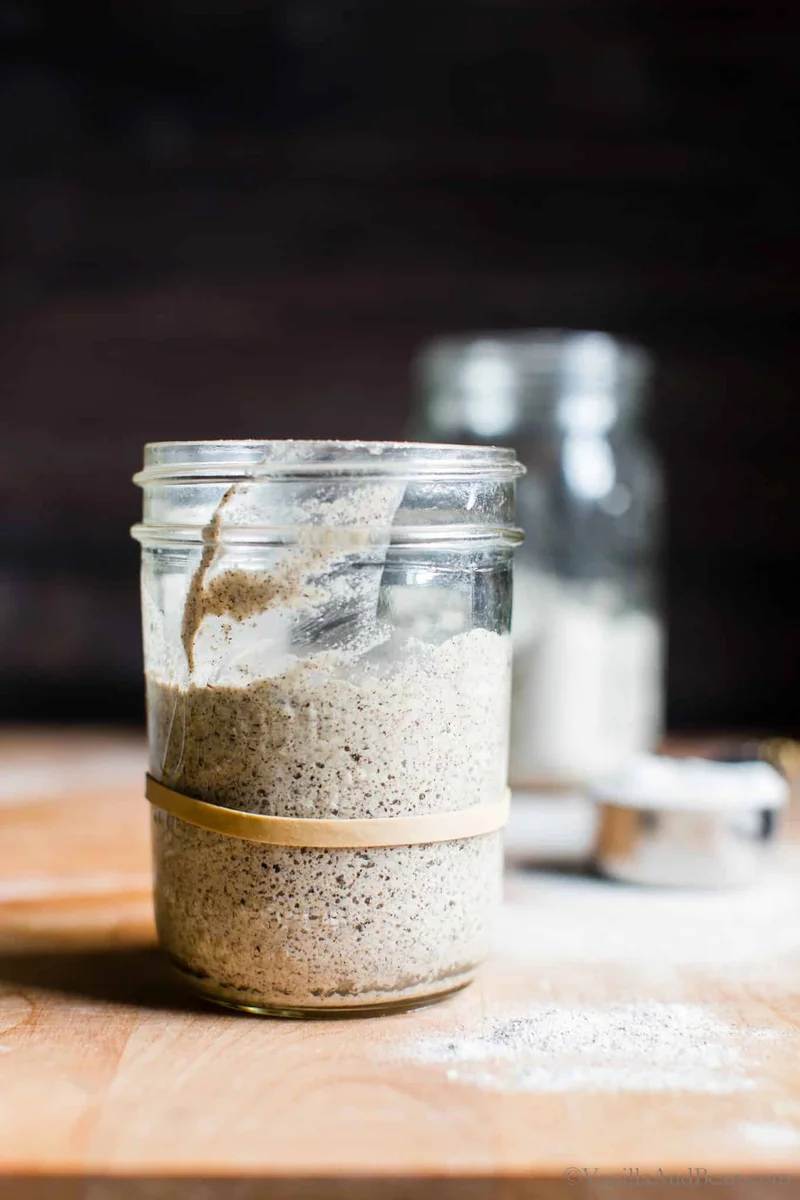
A simple gluten-free sourdough starter made with buckwheat or brown rice flour, sweet white rice flour and water. It takes several days to become active, but daily hands-on work is brief, and the starter can then be refreshed for baking.
Ingredients
- 20 g for the initial mix; 20 g per daily feed; 30 g for each refreshBuckwheat flour or brown rice flour
- 20 g for the initial mix; 20 g per daily feed; 30 g for each refreshSweet white rice flour
- 60 g for the initial mix and each daily feed; 80 g for each refreshRoom-temperature water
- 40 g for each daily feed; 60 g for each refreshExisting sourdough starter
Instructions
- 1
Mix day one
In a medium glass bowl or jar, whisk together 20 g buckwheat or brown rice flour, 20 g sweet rice flour and 60 g water. Cover with a damp tea towel and leave at room temperature for 24 hours.
- 2
Feed day two
In a clean medium glass bowl or jar, whisk 40 g of the starter from day one with 20 g buckwheat or brown rice flour, 20 g sweet rice flour and 60 g water. Discard the remaining starter. Cover with a damp towel or a loosely fitting lid and leave at room temperature for 24 hours.
- 3
Continue feeding
From day three through day six or seven, or longer, repeat the day-two feeding using starter from the previous day. Continue until it looks puffy, smells pleasantly sweet and sour, and has bubbles or visible air pockets beneath the surface. Before using it in a recipe, refresh it.
- 4
Refresh the starter
Put 60 g established starter in a clean lidded jar; discard or save the remainder. Mix in 80 g room-temperature water, then add 30 g buckwheat flour and 30 g sweet white rice flour. Mix until the flour is hydrated. Mark the starter's level with a rubber band, cover with a lid and leave at room temperature for about 8–12 hours, or until doubled. If it is slow to rise, try a warmer spot, such as an oven switched off with its light on, or feed it twice in a day. Use it when it has doubled, looks bubbly and smells sweet and sour. After taking what you need for baking, refresh it again before storing.
- 5
Store the starter
If you bake daily, keep the starter in a lidded glass jar at room temperature and refresh it daily. If refrigerating it, keep it in a lidded glass jar and refresh it about once a week. After taking it from the fridge, it may need two refreshments within 12 hours to become active again. For longer storage, freeze it in a glass jar; thaw it in the fridge and refresh it a few times before using.
- 6
Save the discard
Once the starter is established, use discard in recipes such as pancakes, waffles or pizza. Keep it in a lidded glass jar in the fridge for up to two weeks, or freeze it for longer storage and thaw it in the fridge before using. If a layer of hooch forms, pour it off or stir it in; discard the mixture if you see white, orange or pink film or mould.
What is a gluten-free sourdough starter?
A sourdough starter is a flour-and-water mixture that develops bubbles and a characteristic tang as it ferments. Sourdough baking has a long history, and this American-style home method adapts the process for gluten-free flours.
Buckwheat or brown rice flour provides the base, while sweet white rice flour rounds out the blend. Regular feeding and observing the starter's rise and aroma matter more than sticking rigidly to a calendar.
Nutrition and macros by portion
The nutrition label shows one serving as written: 75 calories, 2g protein, 16g carbs, 1g fat.
| Portion | Adjustment | kcal | Protein | Carbs | Fat |
|---|---|---|---|---|---|
| Lighter | Use a smaller serving | 53 kcal | 2g | 11g | 0g |
| This serving | As written | 75 kcal | 2g | 16g | 1g |
| Hungry | Larger serving | 113 kcal | 3g | 24g | 1g |
The flour supplies most of the carbohydrate, while the starter contributes a small amount of protein and very little fat; the water adds no energy. For a more balanced plate when serving a bake made with the starter, pair it with a protein-rich topping and fruit or vegetables.
Choosing the flours
Base flour: Use buckwheat or brown rice flour, choosing one and keeping it consistent through the feeds. Both are gluten-free options for building the starter.
Sweet rice flour: This is the other flour in the blend; it is not the same ingredient as ordinary sweetener. Weighing the flours helps keep each feed consistent.
The daily feeding routine
Keep a portion: On day two and in subsequent feeds, retain only the stated amount of the previous starter, then discard or save the rest. This keeps the amount being maintained manageable.
Mix thoroughly: Whisk the flour and water into the retained starter until evenly combined. Cover with a damp towel or a lid that is not tightly fitted during the initial build.
How to tell when it is active
Look: A ready starter should be puffy, with bubbles or air pockets visible beneath the surface. After a refresh, the recipe uses a doubling in size as another useful cue.
Smell: Look for a pleasant sweet-sour aroma. The stated six to seven days is a guide, not a deadline; temperature and starter activity can change how long it takes.
Refreshing before baking
Mark the level: A rubber band around the jar shows how far the starter has risen. Set it at the mixture's starting height so the increase is easy to judge.
Give it time: After feeding, leave the jar at room temperature for about 8–12 hours, checking for a doubled, bubbly starter. A cooler room may slow the rise, so use the visual and aroma cues rather than relying only on the clock.
Keeping starter and discard
Starter: Daily baking calls for daily refreshments at room temperature; refrigerated starter is refreshed about weekly. A chilled starter may need a couple of feeds to regain its activity before baking.
Discard: Refrigerated discard can be kept in a lidded glass jar for up to two weeks and used in recipes such as pancakes, waffles and pizza. Hooch may be poured off or mixed in, but discard any starter showing coloured film or mould.
Ways to use it
Bread: Refresh the starter before using it in a gluten-free sourdough bread recipe, and measure out the amount that recipe requires.
Other bakes: Save suitable discard for pancakes, waffles, pizza or other recipes where a tangy sourdough flavour fits. It is a handy way to make use of the portion removed during feeding.
Recipe notes & tips
- Use a clean glass jar or bowl for each feeding.
- Keep the starter at room temperature during the initial build.
- Mark the starting level after a refresh so you can see whether it has doubled.
- Use the starter's bubbles, rise and aroma to judge readiness rather than the day count alone.
- If a refrigerated starter seems sluggish, give it another refresh before baking.
- Save discard in a separate lidded jar if you plan to use it in other recipes.
Variations
- Choose brown rice flour: Use it in place of buckwheat flour throughout the feeding routine.
- Use buckwheat flour: Choose it instead of brown rice flour and keep the choice consistent.
- Make pancakes: Add saved discard to a pancake recipe for a tangy flavour.
- Make waffles: Use discard in a waffle recipe rather than throwing it away.
- Make pizza: Add saved discard to pizza dough for a sourdough note.
Common mistakes to avoid
- Keeping too much starter: Retain only the stated amount for each feed and discard or save the remainder.
- Relying on the calendar: The starter may need longer than six or seven days; wait for the activity cues.
- Missing the rise: Mark the level with a rubber band after feeding so doubling is easy to spot.
- Using a sluggish starter: Give refrigerated starter another refresh if it has not become active.
- Ignoring visible mould: Discard starter with white, orange or pink film or mould rather than trying to rescue it.
How to store
Keep a starter for daily baking in a lidded glass jar at room temperature and refresh it daily; refresh refrigerated starter about once a week. Freeze it for longer storage, then thaw in the fridge and refresh it a few times before use. Refrigerated discard keeps for up to two weeks in a lidded glass jar; frozen discard should be thawed in the fridge.
Frequently asked questions
How long does it take to make the starter?
The process often takes about six to seven days, but it can take longer. Wait for a puffy, bubbly starter with a pleasant sweet-sour aroma.
Can I use brown rice flour instead of buckwheat flour?
Yes. The recipe allows brown rice flour as an alternative to buckwheat flour; use your chosen flour consistently for the feeds.
Does the starter need to double during the initial build?
The initial build is judged by puffiness, bubbles or air pockets and a pleasant sweet-sour smell. After a refresh, the method also uses doubling as a readiness cue.
What should I do if the starter is slow to rise?
Try keeping it somewhere warmer, such as an oven that is switched off with its light on. Feeding it twice in a day may also help it along.
How often should I feed refrigerated starter?
Refresh it about once a week while it is stored in the fridge. Before baking, it may need two feeds within a 12-hour period to become active again.
Is a layer of hooch on discard normal?
Yes, it can appear on stored discard; pour it off or stir it in. Discard the mixture if you see white, orange or pink film or mould.
Cook it from the original
This recipe comes from vanillaandbean.com. Their page has the author’s own photos, notes and tips — the best place to cook it from.
Open the recipe on vanillaandbean.com