
Indian Gooseberry Pickle | Nellikai Oorugai
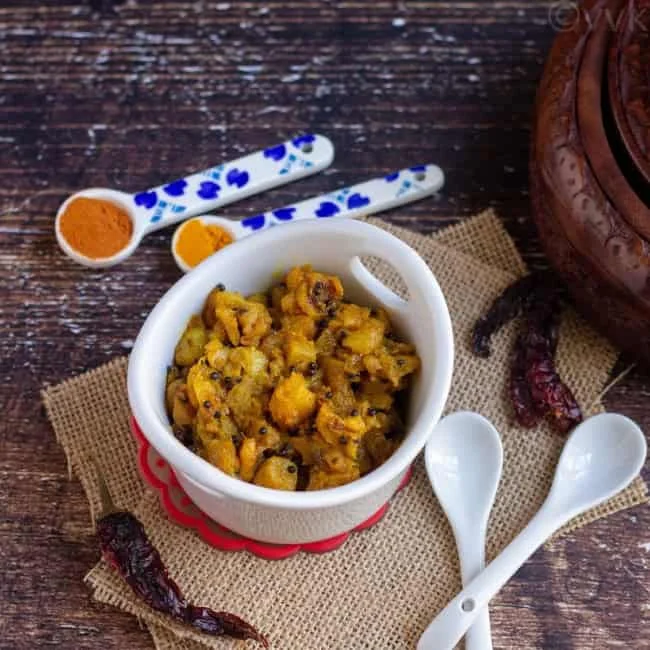
This Tamil-style nellikai oorugai is a quick, warmly spiced pickle made with cooked gooseberries. Frozen gooseberries make it possible to prepare the tangy, oil-coated condiment without waiting for fresh fruit to come into season.
Ingredients
- 10large green gooseberries, frozen and thawed to room temperature
- 2 tbsp, or as requiredwater for the gooseberries, plus water for the pressure cooker
- 3 tbspoil, preferably gingelly or sesame oil
- 1 tspmustard seeds
- 1 heaped tsp or to tastesalt
- 1/2 tspasafoetida
- 1/2 tspfenugreek powder
- 1 tspred chilli powder
- 1/4 tspturmeric powder
Instructions
- 1
Cook the gooseberries
Pressure-cook or steam the gooseberries with water for 2 to 3 whistles. Let the pressure release naturally, then leave the gooseberries to cool completely.
- 2
Remove the seeds
Press each cooked gooseberry so it splits into two, then take out the seed.
- 3
Chop the fruit
Cut the deseeded gooseberries into small pieces.
- 4
Temper the spices
Heat the oil in a pan or kadai. Add the mustard seeds; once they start to splutter, lower the heat and add the chopped gooseberries, red chilli powder, fenugreek powder, turmeric, asafoetida and salt.
- 5
Mix the pickle
Stir everything together. For a thokku-style pickle, mash the gooseberries as you mix; for a chunkier texture, leave them mostly intact.
- 6
Cook until glossy
Cook over medium-low heat for 5 to 7 minutes, until oil separates and is visible around the sides and on the surface.
- 7
Cool and store
Let the pickle cool completely, then transfer it to a clean, airtight container.
What is nellikai oorugai?
Nellikai oorugai is a South Indian pickle made with nellikai, or Indian gooseberry. This Tamil Nadu-style version cooks the fruit with mustard, chilli, fenugreek and asafoetida for a tangy, savoury condiment.
Here, frozen gooseberries are cooked until tender, then chopped and briefly simmered with the spices. That keeps the method straightforward while giving you a choice between distinct pieces and a softer, thokku-like texture.
Nutrition and macros by portion
The nutrition label shows one serving as written: 20 calories, 1g protein, 1g carbs, 2g fat.
| Portion | Adjustment | kcal | Protein | Carbs | Fat |
|---|---|---|---|---|---|
| Lighter | Use less sesame oil | 14 kcal | 1g | 1g | 1g |
| This serving | As written | 20 kcal | 1g | 1g | 2g |
| Hungry | Serve a larger spoonful | 30 kcal | 2g | 2g | 3g |
The gooseberries contribute most of the carbohydrate, while the sesame oil supplies most of the fat; the recipe contains only a small amount of protein. Serve a modest spoonful alongside a meal with a protein-rich dish and vegetables for a more balanced plate.
Choosing the gooseberries
Frozen fruit: thaw the gooseberries to room temperature before cooking, as specified in the ingredient list. The recipe uses large green gooseberries, and the cooking softens them enough to remove the seeds easily.
Water: use the stated amount or what is needed for cooking the fruit, and add water to the pressure cooker as required for your preferred method.
Build flavour with the tempering
Sesame oil: gingelly oil is the preferred choice in this recipe and gives the pickle a distinct savoury base. Heat it before adding the mustard seeds.
Spices: mustard seeds are added first and the heat is lowered once they splutter. The chilli, fenugreek, turmeric and asafoetida then coat the gooseberries as they cook.
Choose your texture
Chunky: mix the chopped gooseberries with the spices without mashing them completely. This leaves small pieces of fruit in the finished pickle.
Thokku-style: mash the fruit while mixing for a softer, more cohesive result. Either way, stir thoroughly so the seasonings are distributed.
Watch for the oil to separate
Cook the mixture over medium-low heat for 5 to 7 minutes. Stir as it cooks and look for oil gathering at the sides and on the surface; those are the cues given for when it is ready.
Let the pickle cool completely before putting it into its storage container. This also makes it easier to handle without trapping warmth in the container.
Serving ideas
Serve a small spoonful alongside a meal of rice and other dishes, where its tangy, spiced flavour can act as a condiment. It can also accompany a simple plate of rice and dal.
Because this pickle is strongly seasoned, start with a modest serving and add more to taste.
Recipe notes & tips
- Thaw the gooseberries to room temperature before starting.
- Let the pressure release naturally and cool the cooked fruit fully before handling it.
- Press gently to split each gooseberry and make removing the seed easier.
- Lower the heat once the mustard seeds begin to splutter.
- Mash only as much as you like while mixing for the texture you prefer.
- Cool the pickle completely before sealing it in a container.
Variations
- Thokku texture: mash the gooseberries while mixing for a softer, more cohesive pickle.
- Chunkier pieces: keep the chopped gooseberries mostly intact instead of mashing them.
- Sesame oil: choose gingelly oil for the preferred oil option in this recipe.
- Adjust the heat: use less or more red chilli powder to suit your taste.
- Salt to taste: begin with the stated amount and adjust to your preference.
Common mistakes to avoid
- Cooking before thawing: thaw the frozen gooseberries to room temperature first.
- Removing seeds while hot: allow the cooked fruit to cool completely before pressing it open.
- Burning the mustard seeds: lower the heat as soon as they start to splutter.
- Mashing too much: stir gently and stop before the fruit reaches a fully smooth texture if you want pieces.
- Stopping too soon: cook for 5 to 7 minutes and look for oil separating at the sides and surface.
- Sealing while warm: let the pickle cool completely before transferring it to the container.
How to store
Once completely cool, transfer the pickle to a clean, airtight container and refrigerate it. Use a clean utensil when serving and keep the container sealed between uses.
Frequently asked questions
Can I use fresh gooseberries instead of frozen?
The recipe is written for frozen gooseberries, but fresh ones can be used. Cook them until tender enough to split and remove the seeds.
How many pressure-cooker whistles are needed?
The method calls for 2 to 3 whistles, followed by a natural pressure release. Cooking time can vary with the cooker and the size of the fruit.
Can I make this without a pressure cooker?
Yes. The method also allows steaming the gooseberries; cook them until tender enough to split and deseed.
How do I make the pickle more like thokku?
Mash the gooseberries as you mix them with the spices. The recipe also works with the fruit left in small pieces.
How do I know when it is cooked?
After 5 to 7 minutes over medium-low heat, look for oil separating and gathering at the sides and on the surface.
Does it need to cool before storage?
Yes. Let the pickle cool completely, then put it in a clean, airtight container.
Cook it from the original
This recipe comes from vidhyashomecooking.com. Their page has the author’s own photos, notes and tips — the best place to cook it from.
Open the recipe on vidhyashomecooking.com