
Sous Vide Butternut Squash
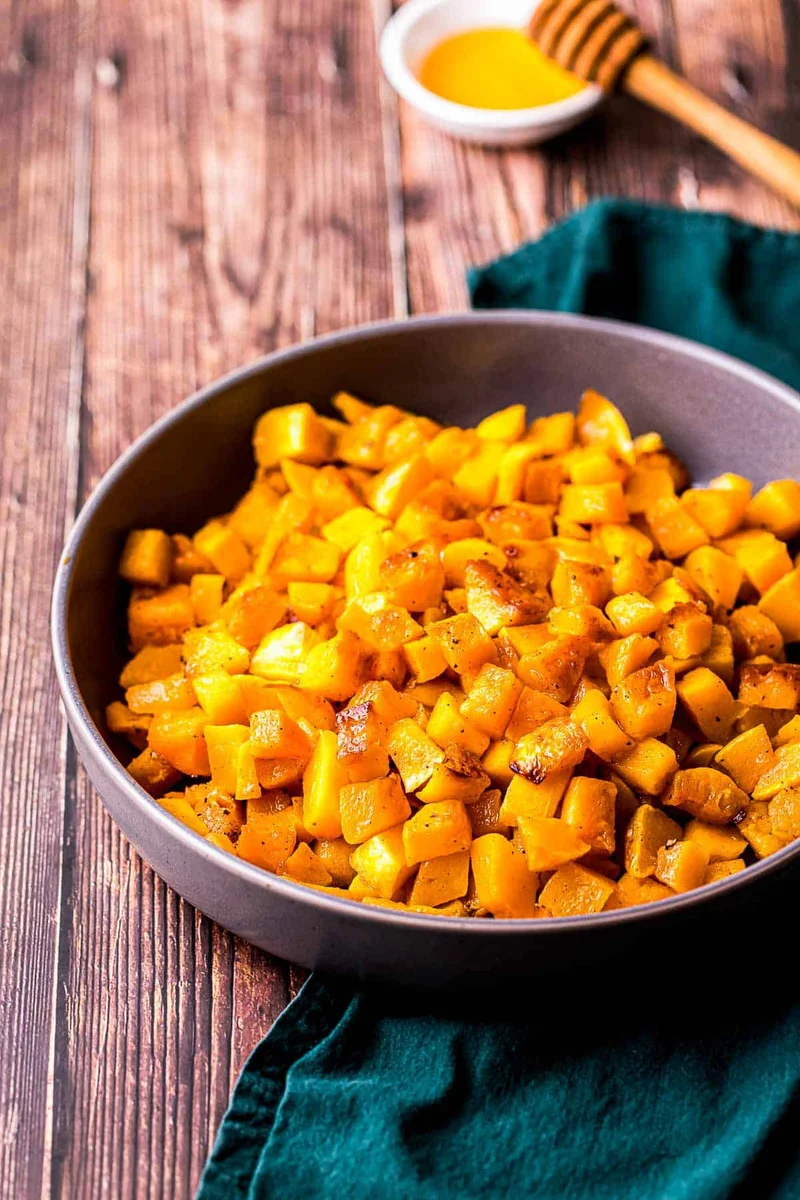
Butternut squash is cooked sous vide with coconut oil, honey, nutmeg and bay, then browned in a pan until its edges are caramelised. The method makes a tender, warmly spiced side dish with a quick final sear for colour.
Ingredients
- 1 whole (or 454 g cubed)butternut squash
- 5 ml (1 teaspoon)salt
- 1.25 ml (1/4 teaspoon)black pepper
- 15 ml (1 tablespoon)coconut oil
- 1bay leaf
- 1.25 ml (1/4 teaspoon)ground nutmeg
- 15 ml (1 tablespoon)honey
- 15 ml (1 tablespoon)avocado oil (for caramelising)
- To tasteflaky sea salt (such as Maldon, for serving only)
Instructions
- 1
Heat the water
Set the sous vide water bath to 85°C (185°F).
- 2
Scoop the seeds
Halve the squash and use a spoon to remove the seeds and stringy interior.
- 3
Peel the squash
Cut each half into two quarters, then carefully cut away the skin from each piece.
- 4
Cut into pieces
Cut the peeled squash into 4–5 cm (1 1/2 to 2-inch) pieces.
- 5
Coat with seasoning
Put the squash in a bowl with all the ingredients except the avocado oil and toss until coated.
- 6
Seal the bag
Transfer the squash to a vacuum-seal bag and seal it, or use a Ziplock bag with the water-displacement method.
- 7
Cook the squash
Lower the bag into the water bath and cook for 60 minutes, weighing it down so it stays submerged.
- 8
Save the liquid
Remove the bag from the bath, open it and pour the cooking liquid into a bowl; set the liquid aside.
- 9
Heat the pan
Set a skillet over medium-high heat and add the avocado oil.
- 10
Brown the squash
Add the squash and cook for 2–3 minutes on each side, checking frequently to prevent burning.
- 11
Check the colour
Look for a light to medium brown, caramelised exterior.
- 12
Reduce the liquid
Once two sides are caramelised, flipping the pieces once, pour in the reserved cooking liquid and cook until it has evaporated.
- 13
Season and serve
Remove the squash from the pan and serve hot, sprinkled with flaky sea salt.
What is sous vide butternut squash?
Sous vide means cooking food in a sealed bag in a temperature-controlled water bath, a technique associated with French cooking. Here it gives the squash time to become tender while it cooks with its seasonings.
This American-style side pairs the squash’s natural sweetness with honey and nutmeg. A brief pan finish adds browned surfaces and concentrates the buttery cooking liquid.
Nutrition and macros by portion
The nutrition label shows one serving as written: 108 calories, 1g protein, 18g carbs, 5g fat.
| Portion | Adjustment | kcal | Protein | Carbs | Fat |
|---|---|---|---|---|---|
| Lighter | Use less finishing oil | 76 kcal | 1g | 13g | 4g |
| This serving | As written | 108 kcal | 1g | 18g | 5g |
| Hungry | Serve a larger portion | 162 kcal | 2g | 27g | 8g |
The carbohydrates mainly come from the squash and honey, while coconut oil and avocado oil contribute most of the fat. The squash provides a small amount of protein; pair a serving with a protein-rich main and green vegetables to make a balanced plate.
Choosing and preparing the squash
Whole squash: peel it after halving and quartering, and remove all the seeds and stringy fibres before cutting it into 4–5 cm pieces.
Cubed squash: the recipe allows 454 g as a substitute. Try to keep the pieces similar in size so they cook evenly in the bag.
Seasoning the bag
Coconut oil: toss it with the squash along with the salt, pepper, bay leaf, nutmeg and honey before sealing. Coating the pieces first distributes the flavour through the bag.
Bay and nutmeg: the bay adds a gentle savoury note, while nutmeg complements the squash and honey. Keep the bay leaf in the bag during cooking, then discard it before serving if it is still there.
Keeping the squash submerged
Bag seal: seal the squash securely, or use the water-displacement method with a Ziplock bag. Make sure the bag stays closed as you lower it into the bath.
Water bath: cook at 85°C for 60 minutes and weigh the bag down so it does not float. Keeping the squash submerged helps it cook consistently.
Getting a caramelised finish
Hot skillet: heat the avocado oil over medium-high heat before adding the cooked squash. Give the pieces room to make contact with the pan.
Two sides: brown the pieces for 2–3 minutes on each side, turning them once and checking often. Add the reserved liquid after the browning, then cook until it evaporates.
Serving the squash
Finish: serve the squash hot with flaky sea salt scattered over the top. The salt adds a crisp contrast to the tender, sweet pieces.
Pairing: serve it alongside roasted or grilled meat, or add it to a plate with grains and green vegetables for a more substantial meal.
Recipe notes & tips
- Cut the squash into similarly sized pieces for more even cooking.
- Weigh down the bag to keep every piece beneath the water.
- Dry the squash surface briefly after removing it from the bag for better browning.
- Turn the pieces once and check frequently so the honey does not scorch.
- Add the reserved liquid only after browning the squash.
Variations
- Add cinnamon: use a small pinch alongside the nutmeg for a sweeter spice profile.
- Use olive oil: replace the avocado oil for the pan finish with the same amount of olive oil.
- Add chilli: include a pinch of chilli flakes in the seasoning for gentle heat.
- Try fresh herbs: finish with chopped sage or thyme for a savoury note.
- Make it dairy-rich: serve with a little browned butter instead of flaky salt alone.
Common mistakes to avoid
- Leaving the bag afloat: weigh it down so the squash stays submerged throughout cooking.
- Uneven pieces: cut the squash to a similar size so smaller pieces do not soften much faster.
- Crowding the skillet: brown in batches if needed so the pieces contact the pan rather than steam.
- Cooking without checking: inspect the squash often during the 2–3-minute sear to prevent scorching.
- Adding the liquid too soon: brown two sides first, then add the reserved cooking liquid and reduce it.
How to store
Refrigerate leftovers in an airtight container for up to 3 days. Reheat gently in a skillet or microwave until hot; a skillet can help restore some colour to the outside.
Frequently asked questions
Can I use pre-cut butternut squash?
Yes. The recipe gives 454 g of cubed squash as a substitute for one whole squash. Use pieces of roughly similar size.
Can I use a Ziplock bag instead of vacuum sealing?
Yes. Use the water-displacement method to remove most of the air before closing the bag, and make sure it remains sealed in the bath.
Why does the squash need to be weighed down?
The bag can float, leaving some pieces above the water. Weighing it down keeps the squash submerged as it cooks.
How do I know when the squash is ready?
After 60 minutes at 85°C, the squash should be tender. The pan finish gives it a light to medium brown exterior.
Can I skip the pan caramelising step?
You can serve the squash after cooking, but it will not have the browned, caramelised exterior described in the recipe.
What should I serve with it?
It works as a side with roasted or grilled meat, or alongside grains and green vegetables.
Cook it from the original
This recipe comes from wenthere8this.com. Their page has the author’s own photos, notes and tips — the best place to cook it from.
Open the recipe on wenthere8this.com