
Sri Lankan Chicken Curry
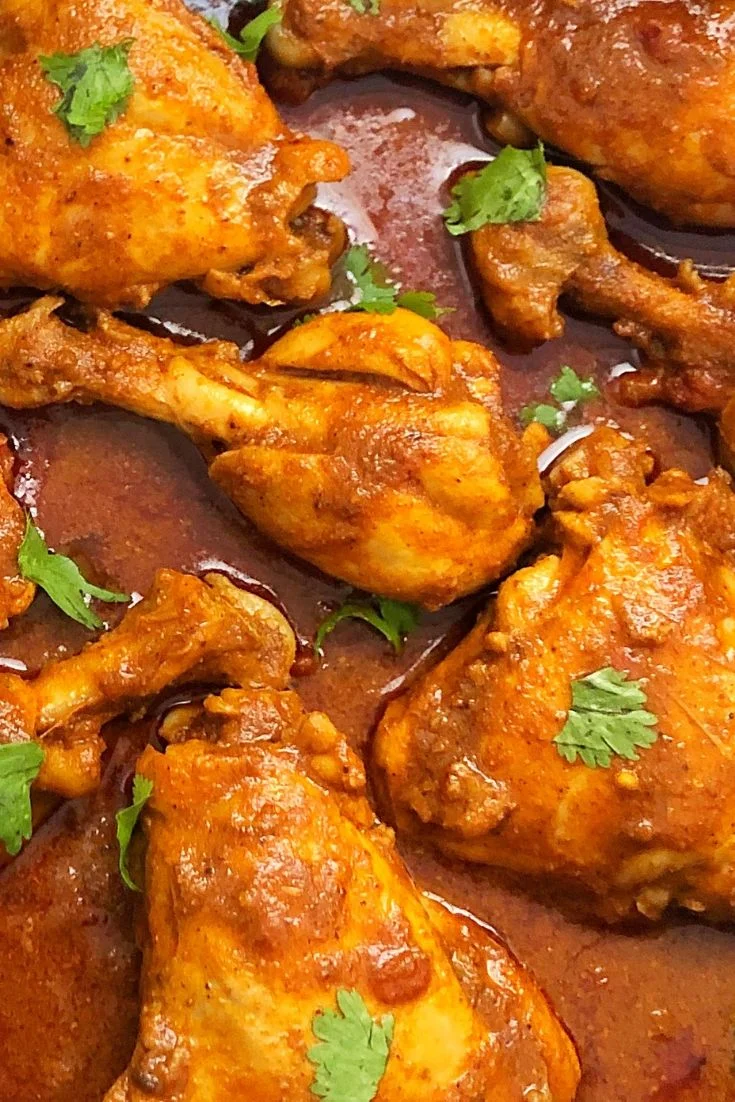
This Sri Lankan-style chicken curry combines freshly toasted spices, a smooth onion and chilli paste, tomatoes and coconut milk for an aromatic, gently rich sauce. It takes under an hour and makes a warming meal to serve with rice or flatbreads.
Ingredients
- 1½ tbspcumin seeds
- 3 tbspcoriander seeds
- 2 tspfennel seeds
- 1 tspmustard seeds
- ½ tspblack peppercorns
- 4cardamom pods
- 1 stick, 5 cmcinnamon
- 4cloves
- 700 gchicken on the bone
- 2 tbspcoconut oil or vegetable oil
- 1onion
- 2green chillies
- 1 tbspginger and garlic paste
- 2 sprigscurry leaves
- 1 small stickcinnamon
- 2bay leaves
- 1 tbspKashmiri chilli powder
- 2½ tbspSri Lankan curry powder
- 2tomatoes, cut into cubes
- 120 ml (½ cup)coconut milk
- 120 ml (½ cup)water
Instructions
- 1
Toast the spices
For the curry powder, put the cumin, coriander, fennel and mustard seeds, peppercorns, cardamom, 5 cm cinnamon stick and cloves in a pan. Toast over medium-low heat for 3–5 minutes, until the spices begin to brown and smell aromatic. Watch them closely so they do not burn.
- 2
Cool and grind
Take the pan off the heat and leave the spices to cool. Grind them using a spice grinder or a mortar and pestle.
- 3
Store the powder
Keep the ground spice mixture in an airtight container.
- 4
Blend the paste
Blend the onion, green chillies and ginger and garlic paste until smooth. Add a few drops of water if needed to help the mixture blend.
- 5
Start the curry
Heat the oil in a large pot. Add the small cinnamon stick, bay leaves and curry leaves; once fragrant, add the onion paste.
- 6
Brown the paste
Cook the paste until it is slightly brown.
- 7
Add the powders
Stir in the Sri Lankan curry powder and Kashmiri chilli powder, and cook for 1 minute.
- 8
Cook chicken and tomatoes
Add the tomatoes and chicken. Cook uncovered for about 10 minutes, stirring frequently to stop the curry catching, until the tomatoes are cooked.
- 9
Add the liquids
Season with salt, then pour in the coconut milk and water. Bring the curry to the boil.
- 10
Simmer until thick
Turn the heat down, cover the pot and simmer for 20–30 minutes, until the gravy has thickened.
What is Sri Lankan chicken curry?
Sri Lankan chicken curry is a spiced, simmered dish built around chicken and a deeply flavoured gravy. This version starts with whole spices toasted and ground at home, then uses a chilli and onion paste, tomatoes and coconut milk to make a fragrant sauce.
The recipe is labelled Indian, while its name and curry powder point to Sri Lankan-style flavours. The fresh spice blend and covered simmer are what make this version especially aromatic and satisfying.
Nutrition and macros by portion
The nutrition label shows one serving as written: 440 calories, 30g protein, 15g carbs, 30g fat.
| Portion | Adjustment | kcal | Protein | Carbs | Fat |
|---|---|---|---|---|---|
| Lighter | Use less coconut milk | 308 kcal | 21g | 11g | 21g |
| This serving | As written | 440 kcal | 30g | 15g | 30g |
| Hungry | Serve with extra rice | 660 kcal | 45g | 23g | 45g |
The chicken provides most of the protein, while the onion, tomatoes and spices contribute some carbohydrate and fibre. Oil and coconut milk account for much of the fat, including saturated fat from the coconut milk. Serve with a generous portion of vegetables and a measured amount of rice to balance the plate.
Why toast whole spices?
Whole spices: Toasting the cumin, coriander, fennel and other whole spices briefly brings out their fragrance before they are ground. Keep the heat at medium-low and stay by the pan; the seeds can go from fragrant to burnt quickly.
Curry powder: The method makes a batch of spice blend but calls for 2½ tablespoons in the curry. Grind the cooled spices finely so they disperse evenly through the sauce.
Building the curry base
Onion paste: Blending the onion, chillies and ginger and garlic paste creates a smooth base that coats the chicken. Add only a few drops of water if the blender needs help moving the ingredients.
Whole aromatics: The smaller cinnamon stick, bay leaves and curry leaves go into the hot oil first. Let them turn fragrant before adding the paste, but avoid letting the leaves or spices scorch.
Getting the texture right
Tomatoes: Cook them uncovered with the chicken for about 10 minutes, stirring often, until they soften into the base. This stage helps the sauce start to come together before the liquids go in.
Gravy: After adding coconut milk and water, cover the pot and simmer for 20–30 minutes. The sauce should thicken, while the chicken should be cooked through; check the thickest part near the bone before serving.
Choosing the chicken
On the bone: Bone-in chicken is the recipe's specified choice and holds up well during the covered simmer. Keep the pieces similar in size where possible so they cook at a similar pace.
Skin: The method does not say to remove the skin. If the pieces are skin-on, skim excess fat from the surface of the finished curry if you prefer a less oily gravy.
Timing the simmer
First stage: Give the chicken and tomatoes about 10 minutes uncovered, stirring regularly to keep the mixture from catching on the bottom of the pot.
Final stage: Once the coconut milk and water come to the boil, lower the heat and cover the pot. Start checking the gravy and chicken at 20 minutes; continue up to 30 minutes if the sauce needs more time to thicken.
What to serve with it
Rice: Plain steamed rice is a straightforward partner for the rich, spiced gravy. Spoon the sauce over the rice and serve the chicken alongside it.
Fresh sides: A crisp salad or plainly cooked vegetables can add contrast to the warm, creamy curry. Flatbreads also work well for scooping up the sauce.
Recipe notes & tips
- Toast the whole spices over medium-low heat and take them off the heat as soon as they smell aromatic.
- Let the toasted spices cool before grinding for a finer, more even powder.
- Blend the onion paste until smooth so it cooks into the sauce without large raw pieces.
- Stir frequently while the chicken and tomatoes cook uncovered to prevent the mixture catching.
- Keep the final simmer gentle so the sauce thickens without boiling hard.
- Check that the chicken is cooked through near the bone before serving.
Variations
- Adjust the heat: Use fewer green chillies for a milder curry.
- Use vegetable oil: Choose it instead of coconut oil for a less pronounced coconut aroma.
- Make it creamier: Add a little more coconut milk, then simmer until the sauce reaches your preferred consistency.
- Add vegetables: Stir in quick-cooking vegetables during the final simmer so they do not become too soft.
- Use boneless chicken: Cut it into even pieces and check it earlier, as it may cook faster than bone-in pieces.
Common mistakes to avoid
- Burnt spices: Keep the pan over medium-low heat and watch closely during the 3–5 minute toast.
- Lumpy paste: Blend the onion, chillies and ginger and garlic paste until smooth, adding just a few drops of water if needed.
- Scorched curry: Stir often during the uncovered 10-minute stage, especially around the base of the pot.
- Watery gravy: Simmer covered for up to 30 minutes, then uncover briefly if it still needs to thicken.
- Overcooked chicken: Begin checking near the 20-minute point of the covered simmer and stop once cooked through.
How to store
Refrigerate leftovers in a covered container and eat within 3 days. Reheat gently in a saucepan until piping hot throughout, adding a splash of water if the gravy has thickened too much.
Frequently asked questions
How spicy is this curry?
It includes two green chillies and a tablespoon of Kashmiri chilli powder, so it has a noticeable chilli flavour. Use fewer green chillies if you prefer it milder.
Can I make the curry powder ahead?
Yes. Once the toasted spices have cooled and been ground, store them in an airtight container. The recipe calls for 2½ tablespoons of the blend in the curry.
Can I use boneless chicken?
Yes, although the recipe specifies bone-in chicken. Boneless pieces may cook faster, so check them earlier during the simmer.
Why is my gravy still thin?
Let the curry simmer longer so the sauce can reduce and thicken. Check the chicken as it cooks, and avoid raising the heat to a hard boil.
What can I serve with this curry?
Serve it with rice or flatbreads, with a simple salad or vegetables alongside.
Can I freeze the leftovers?
The curry can be frozen in a sealed, freezer-safe container. Defrost it in the fridge and reheat gently until piping hot throughout.
Cook it from the original
This recipe comes from tamarindnthyme.com. Their page has the author’s own photos, notes and tips — the best place to cook it from.
Open the recipe on tamarindnthyme.com