
The Perfect Ratio For A Traditional Vinaigrette
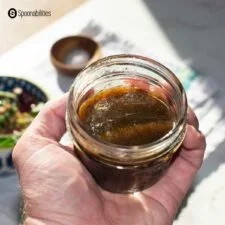
This French-style vinaigrette pairs olive oil and vinegar with Dijon mustard and a little honey for a quick, tangy dressing. Whisk it together in minutes, then adjust the balance to suit your salad.
Ingredients
- 60 ml (¼ cup)extra-virgin olive oil
- 60 ml (¼ cup)vinegar, such as red wine or cider vinegar
- 15 ml (1 tablespoon)Dijon mustard
- 5 ml (1 teaspoon)honey, or agave or maple syrup
- to tastesalt and black pepper
Instructions
- 1
Whisk the dressing
In a small bowl, whisk together the olive oil, vinegar, Dijon mustard, honey, salt and pepper until well combined.
- 2
Taste and adjust
Taste the vinaigrette and adjust it to your liking with more salt, pepper, honey or vinegar.
- 3
Dress the greens
Drizzle the vinaigrette over salad greens and toss to coat.
What is a traditional vinaigrette?
Vinaigrette is a French-style dressing built around oil and vinegar, often brought together with mustard. This version adds a little honey to soften the vinegar's sharpness.
The equal amounts of oil and vinegar make a lively, tangy dressing. Dijon mustard helps the mixture combine, while tasting at the end lets you fine-tune its balance.
Nutrition and macros by portion
The nutrition label shows one serving as written: 132 calories, 0g protein, 2g carbs, 14g fat.
| Portion | Adjustment | kcal | Protein | Carbs | Fat |
|---|---|---|---|---|---|
| Lighter | Use less olive oil | 92 kcal | 0g | 1g | 10g |
| This serving | As written | 132 kcal | 0g | 2g | 14g |
| Hungry | Serve a larger salad | 198 kcal | 0g | 2g | 21g |
The olive oil supplies most of the fat, while the vinegar, mustard and small amount of honey contribute the remaining carbohydrates. The listed nutrition provides 0 g protein per serving, so serve the dressed salad with a protein-rich food such as beans, eggs or tofu to make it more substantial.
The ingredients that shape the flavour
Olive oil: extra-virgin oil gives the dressing a fruity, rounded base, so choose one whose flavour you enjoy.
Vinegar: red wine vinegar makes a savoury, robust dressing; cider vinegar is a milder alternative. The recipe uses the same amount of vinegar as oil.
Mustard and honey: Dijon adds savoury tang and helps bind the ingredients, while a teaspoon of honey rounds off the acidity without making the dressing distinctly sweet.
How to whisk it together
Add all the ingredients to a small bowl and whisk until they look evenly combined. Use a bowl with enough room to whisk briskly without splashing.
The dressing may separate if it sits, which is normal for an oil-and-vinegar mixture. Whisk it again just before serving.
Getting the balance right
Taste a little dressing with a leaf of the salad you plan to serve; the greens can change how sharp or rich it seems. Add vinegar for more brightness, honey for a gentler edge, or salt and pepper to bring the flavours into focus.
Make small adjustments and taste again each time. This keeps any one flavour from taking over.
When to dress the salad
Make the vinaigrette shortly before serving, or prepare it ahead and whisk it again when needed. Toss the greens just before the meal so they are coated but not left sitting in the dressing.
Start with a light drizzle and add more only if the leaves need it. This makes it easier to coat the salad evenly.
What to serve it with
This dressing suits crisp salad leaves, tomatoes, cucumber and thinly sliced onion. It also works with cooked vegetables once they have cooled to room temperature.
For a simple meal, serve dressed greens alongside eggs, beans or a savoury tart. Add the vinaigrette gradually so it complements rather than overwhelms the other ingredients.
Recipe notes & tips
- Use a small bowl so you can whisk the ingredients together easily.
- Taste the dressing with a leaf of the salad you are serving.
- Add any extra vinegar or honey a little at a time.
- Whisk again just before pouring if the mixture has separated.
- Dress the leaves shortly before serving to keep them crisp.
Variations
- Use shallot: finely mince a little shallot and whisk it in for a savoury note.
- Add herbs: stir in chopped parsley or chives just before serving.
- Try lemon: replace some of the vinegar with lemon juice for a citrusy dressing.
- Add garlic: grate a small amount into the bowl for a more pungent flavour.
- Make it creamier: whisk in a little extra Dijon mustard for a thicker texture.
Common mistakes to avoid
- Skipping the taste test: sample the dressing with a salad leaf and adjust it before serving.
- Adding too much honey: start with the stated teaspoon and add more only if the vinegar tastes too sharp.
- Pouring on too much at once: drizzle gradually and toss so the leaves get an even coating.
- Leaving it unwisked: whisk the mixture again if the oil and vinegar have separated.
- Dressing too early: toss the greens shortly before serving to help keep them crisp.
How to store
Keep leftover vinaigrette in a sealed container in the fridge and use it within about 5 days. The oil may become cloudy or firm when chilled; let it stand briefly at room temperature, then shake or whisk before using.
Frequently asked questions
Can I make this vinaigrette ahead?
Yes. Whisk it together and refrigerate it in a sealed container, then shake or whisk again before serving.
Why has my vinaigrette separated?
Oil and vinegar naturally separate as they stand. Whisk or shake the dressing to bring it back together before use.
Can I use a different vinegar?
Yes. Red wine vinegar and cider vinegar are both suitable; another vinegar can also work, though it may change the flavour.
What can I use instead of honey?
The recipe allows agave or maple syrup as alternatives. Use the same teaspoon measure and taste to check the balance.
How do I make the dressing less sharp?
Whisk in a little more honey, tasting as you go. You can also reduce the amount of vinegar in your next batch.
Cook it from the original
This recipe comes from spoonabilities.com. Their page has the author’s own photos, notes and tips — the best place to cook it from.
Open the recipe on spoonabilities.com