
Cantonese Style Veg Noodles
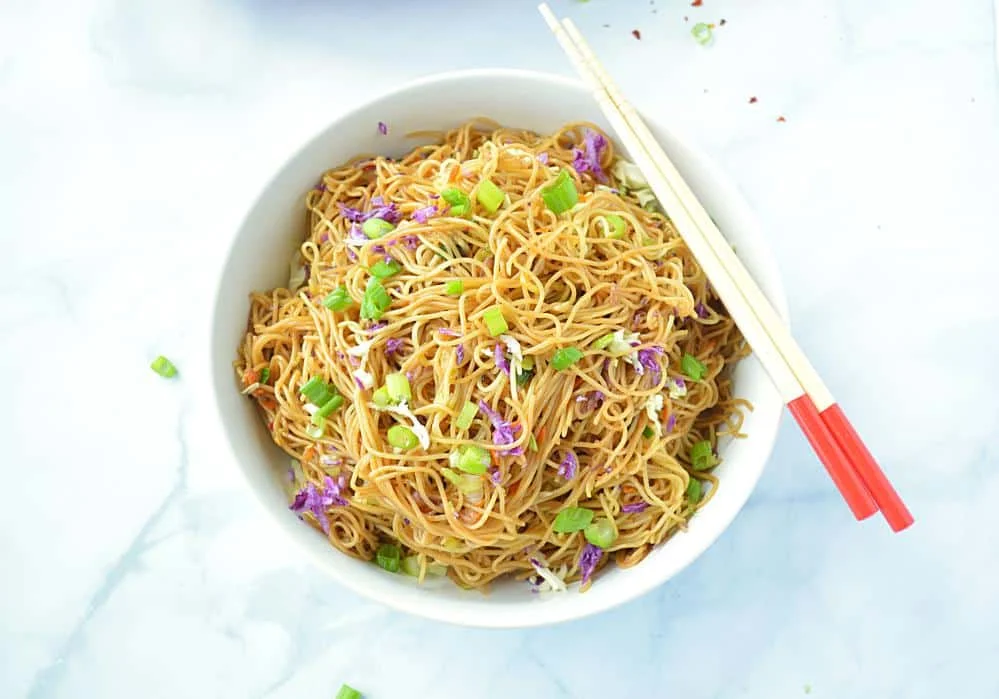
These Cantonese-style vegetable noodles combine thin noodles, crisp-edged vegetables and a sweet, savoury, lightly spicy sauce. They make a quick, colourful meal when you want plenty of flavour without a long cooking time.
Ingredients
- 1 packetgluten-free thin noodles or thin spaghetti
- about 55 g (½ cup)carrots, thinly sliced or shredded
- about 35 g (½ cup)cabbage, thinly sliced or shredded
- about 35 g (½ cup)red cabbage, thinly sliced or shredded
- 4–5 stalksspring onions, chopped
- 1½ teaspoons (7.5 ml)minced garlic
- 1 tablespoon (15 ml)sesame oil
- 1 tablespoon (15 ml)olive oil
- to tastesalt
- 3–4 tablespoons (45–60 ml)soy sauce
- 2 tablespoons (30 ml)hoisin sauce
- ½–1 tablespoon (7.5–15 ml)brown sugar or granulated sugar
- 1–2 teaspoons (5–10 ml)crushed red chilli flakes
- ½ tablespoon (7.5 ml)honey
Instructions
- 1
Prepare vegetables
Thinly slice or chop the vegetables.
- 2
Gather ingredients
Set out the remaining ingredients.
- 3
Mix the sauce
Combine the sauce ingredients in a bowl and stir until blended. Set aside.
- 4
Boil the noodles
Cook the noodles according to the packet instructions.
- 5
Drain the noodles
Drain the cooked noodles in a colander and rinse them.
- 6
Heat the oil
Heat oil in a pan, add the boiled noodles and cook over medium heat.
- 7
Brown the noodles
Keep turning the noodles until they are lightly crisp and slightly golden. Set them aside.
- 8
Warm the oils
Heat the sesame oil and olive oil in a pan, then add the minced garlic.
- 9
Cook the garlic
Sauté the garlic for a few seconds.
- 10
Add vegetables
Add the prepared vegetables.
- 11
Sauté vegetables
Sauté them for a few seconds.
- 12
Return noodles
Add the boiled noodles.
- 13
Pour in sauce
Add the sauce mixture.
- 14
Toss together
Mix until the noodles and vegetables are evenly coated.
- 15
Adjust seasoning
Taste and adjust the seasonings.
- 16
Serve noodles
Enjoy for lunch or as a light evening snack.
What are Cantonese-style vegetable noodles?
Cantonese-style noodles take inspiration from the varied noodle dishes of southern China, where quick cooking and savoury sauces are common. This home-style version pairs thin noodles with cabbage, carrot and spring onion.
Crisping the cooked noodles before tossing them with the vegetables gives the dish a mix of textures, while soy and hoisin bring salty, savoury depth with a hint of sweetness.
Nutrition and macros by portion
The nutrition label shows one serving as written: 550 calories, 11g protein, 95g carbs, 12g fat.
| Portion | Adjustment | kcal | Protein | Carbs | Fat |
|---|---|---|---|---|---|
| Lighter | Use less oil and sugar | 385 kcal | 8g | 67g | 8g |
| This serving | As written | 550 kcal | 11g | 95g | 12g |
| Hungry | Add another noodle portion | 825 kcal | 17g | 143g | 18g |
Most of the carbohydrates come from the noodles, while the oils carry much of the fat; the vegetables add some fibre and the sauces contribute sugar and sodium. For a more balanced plate, serve a portion with extra vegetables or a simple salad.
Choose and prepare the noodles
Noodle choice: Use thin gluten-free noodles or thin spaghetti, as specified. Different brands and types can cook at different speeds, so follow the packet directions.
Rinsing: Drain and rinse the cooked noodles as directed, then let excess water run off. This helps keep them from becoming too wet when they go into the pan.
Get the vegetables ready
Even slices: Cut or shred the carrots and both cabbages thinly so they heat quickly alongside the noodles.
Spring onions: Chop them before you start cooking so they are ready to add with the other vegetables. The recipe does not specify separate white and green portions.
Build the sauce
Sauce base: Mix the soy sauce, hoisin, sugar, chilli flakes and honey in a bowl before cooking. A pre-mixed sauce is easier to pour in and distribute through the pan.
Seasoning: Soy sauce and hoisin both contribute salt, so taste the finished noodles before adding extra salt. The chilli and sugar amounts can be adjusted within the listed ranges.
Crisp the noodles carefully
Pan heat: Cook the drained noodles over medium heat, turning them repeatedly so they colour rather than sit in one place.
Doneness cue: Take them off the heat when they are slightly golden and have crisp edges. Set them aside before cooking the vegetables, as the method directs.
Finish without overcooking
Garlic first: Add the minced garlic to the heated oils and sauté it only for a few seconds before adding the vegetables.
Quick toss: The vegetable sauté is also brief in this recipe. Once the noodles and sauce go in, mix until coated, then check the seasoning and serve.
What to serve with the noodles
Fresh side: Serve with cucumber or a simple leafy salad for a cool contrast to the warm, saucy noodles.
Extra vegetables: Steamed greens or a bowl of lightly cooked vegetables can round out the meal without changing the noodle preparation.
Recipe notes & tips
- Slice or shred the vegetables before you start cooking, as the pan steps move quickly.
- Mix the sauce ingredients together in advance so they are ready to pour in.
- Drain the noodles thoroughly after rinsing to limit excess water in the pan.
- Keep turning the noodles while they brown so they colour more evenly.
- Taste before adding salt, since the sauces already bring savoury seasoning.
- Use the lower end of the chilli range for a gentler heat.
Variations
- More greens: Add extra cabbage or another quick-cooking leafy vegetable.
- Milder sauce: Use the lower amount of chilli flakes for less heat.
- Sweeter sauce: Choose the upper amount of sugar within the listed range.
- Gluten-free option: Use gluten-free noodles and check that the soy and hoisin sauces are labelled gluten-free.
- Different noodle shape: Use thin spaghetti if gluten-free noodles are not available.
Common mistakes to avoid
- Thick vegetable pieces: Slice or shred them thinly so they cook quickly in the brief sauté.
- Wet noodles: Drain them well after rinsing so excess water does not dilute the sauce.
- Uneven browning: Keep turning the noodles while they cook over medium heat.
- Burnt garlic: Sauté it for only a few seconds before adding the vegetables.
- Over-salting: Taste the finished noodles before adding salt because both sauces are savoury.
- Overcooked vegetables: Keep their sauté brief, following the quick method.
How to store
Cool leftovers promptly and store them in a covered container in the fridge for up to 3 days. Reheat in a pan until piping hot, stirring gently; the noodles will be softer and less crisp after storage.
Frequently asked questions
Can I use spaghetti instead of gluten-free noodles?
Yes. The recipe lists thin spaghetti as an alternative, so cook it according to its packet instructions.
How spicy are these noodles?
The heat depends on the chilli flakes. Start with 1 teaspoon for a milder result, or use up to 2 teaspoons for more heat.
Can I prepare the sauce ahead?
Yes. Mix the sauce ingredients in advance and keep the bowl covered until you are ready to add it to the pan.
Why rinse the noodles after draining?
Rinsing is part of the method and cools the cooked noodles before they are fried. Drain them thoroughly afterwards so they are not carrying excess water into the pan.
Can I make the recipe gluten-free?
Use gluten-free noodles and check the labels on the soy sauce and hoisin sauce, as those products can vary.
Can I reheat leftovers?
Yes. Reheat them in a pan, stirring gently until piping hot. The noodles may lose some of their original crispness.
Cook it from the original
This recipe comes from ruchiskitchen.com. Their page has the author’s own photos, notes and tips — the best place to cook it from.
Open the recipe on ruchiskitchen.com