
Salteñas
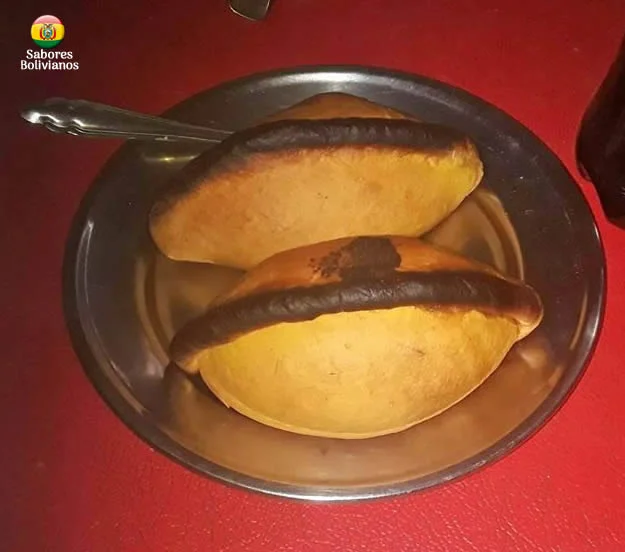
Salteñas are Bolivian baked pastries with a sealed dough shell and a juicy meat, potato and chilli filling. This version relies on a chilled, gelatine-set jigote to help keep the filling contained as the pastries bake.
Ingredients
- to tastelard
- to tasteachiote
- to tasteplain flour
- to tastesugar
- to tastesalt
- to tasteegg, divided
- to tastewater
- to tasteoil
- to tasteonion
- to tasteminced meat
- to tasteground red chilli
- to tastecumin
- to tasteblack pepper
- to tastered food colouring
- to tastebeef stock
- to tasteunflavoured gelatine
- to tastepotatoes
- to tasteparsley
- to tasteoregano
- to tastequail eggs, hard-boiled
Instructions
- 1
Colour the lard
Melt the lard in a pan over the heat. Add the achiote and stir constantly until the lard takes on its colour; remove the achiote and leave the lard to cool until solid.
- 2
Mix the dough
Put the flour on the work surface and rub in the achiote-coloured lard until the mixture resembles sand. Make a well, add the sugar, salt and egg, then gradually add the water.
- 3
Knead until smooth
Mix everything thoroughly and knead until you have a compact, evenly combined dough.
- 4
Chill the dough
Shape the dough into balls, cover them with a plastic bag and refrigerate for about 20 minutes.
- 5
Soften the onion
Heat oil in a pan and fry the onion until translucent.
- 6
Cook the filling
Add the minced meat and brown it with the ground red chilli, cumin, pepper, red food colouring, beef stock, sugar and salt. Cook for about 20 minutes, until the jigote has thickened slightly.
- 7
Add the remaining filling
Take the pan off the heat. Sprinkle in the unflavoured gelatine and mix, then add the diced potatoes, chopped parsley and oregano.
- 8
Chill the jigote
Taste and adjust the salt, mix everything together and leave the filling to cool. Cover it and refrigerate until the jigote has set.
- 9
Roll the dough
Take the dough balls out of the fridge and roll each one into an oval of medium thickness.
- 10
Fill and seal
Place a spoonful of jigote and a hard-boiled quail egg in the centre of each oval. Brush the edge with beaten egg, close the salteña, press out the air and crimp the seam.
- 11
Bake the salteñas
Arrange the shaped salteñas on a baking tray, brush them with beaten egg and bake at 350 °C for about 20 minutes.
What are salteñas?
Salteñas are Bolivian baked pastries, usually made with a crimped dough shell around a savoury, juicy filling. This version combines minced meat, potatoes, chilli and a hard-boiled quail egg in a gelatine-set jigote.
The method’s chilling stages help the dough become easier to shape and the filling firmer to handle. Both are useful when sealing a generously filled pastry.
Nutrition and macros by portion
The nutrition label shows one serving as written: 215 calories, 0g protein, 0g carbs, 0g fat.
| Portion | Adjustment | kcal | Protein | Carbs | Fat |
|---|---|---|---|---|---|
| Lighter | Smaller salteña, salad side | 151 kcal | 0g | 0g | 0g |
| This serving | As written | 215 kcal | 0g | 0g | 0g |
| Hungry | Larger portion | 323 kcal | 0g | 0g | 0g |
The pastry flour and potatoes provide most of the carbohydrates, while the lard and cooking oil contribute fat. Minced meat is the main protein source; a side of salad or vegetables can add freshness and balance to the plate.
Colouring the dough
Achiote-infused lard gives the dough its colour. Keep stirring as the achiote warms in the fat, then remove it and let the lard solidify before mixing it into the flour.
Sand-like crumbs: rub the cooled fat through the flour until evenly distributed before adding the wet ingredients. This helps the dough come together consistently.
Building the jigote
Meat and onion: fry the onion until translucent, then brown the minced meat with the chilli, spices, stock, sugar, salt and colouring. The recipe cooks this mixture for about 20 minutes, until it thickens slightly.
Gelatine and potatoes: add the gelatine off the heat, followed by the diced potatoes, parsley and oregano. Cooling and refrigerating the mixture until set makes it easier to portion into the dough.
Rolling and sealing
Roll each chilled ball into an oval of medium thickness, as directed, so there is room to enclose the filling. Put the spoonful of jigote and quail egg in the centre rather than near the edge.
Seal carefully: brush the edge with beaten egg, close the pastry, press out trapped air and crimp the seam. A continuous, well-pressed edge helps keep the filling inside during baking.
Checking the bake
Brush the assembled pastries with beaten egg for a coated finish, then bake at the recipe’s stated temperature of 350 °C for about 20 minutes. Since oven performance and pastry size can vary, keep an eye on the shells as they bake.
Look for an evenly coloured, set shell and make sure the pastries are hot through. Allow them to rest briefly before serving, as the filling can be very hot.
Serving the salteñas
Serve them warm as a substantial snack or as part of a meal. Their meat, potato and pastry make them filling on their own.
For a more balanced plate, pair a salteña with a crisp salad or lightly dressed vegetables. Serve carefully so the juicy filling does not spill.
Recipe notes & tips
- Let the achiote-coloured lard cool and solidify before mixing it into the flour.
- Keep the dough balls covered while they rest in the fridge so their surfaces do not dry out.
- Dice the potatoes evenly so they are distributed consistently through the filling.
- Cool the jigote fully and refrigerate it until set before shaping the pastries.
- Press out air before crimping each salteña to help close the seam securely.
- Use the recipe’s stated oven temperature and watch the pastry closely as it bakes.
Variations
- Adjust the chilli: use less or more ground red chilli to suit your preferred heat.
- Change the filling meat: use another minced meat in place of the one chosen.
- Make the pastry smaller: divide the dough into smaller balls and use less filling in each.
- Skip the quail egg: leave it out of each pastry while keeping the rest of the filling.
- Add extra herbs: vary the parsley and oregano to give the jigote a different herbal note.
Common mistakes to avoid
- Warm lard: let it cool until solid before combining it with the flour.
- Dry dough: add the water gradually, as directed, while mixing.
- Loose filling: chill the jigote until it has set before filling the pastries.
- Overfilled pastry: use a spoonful of filling and leave enough dough at the edge to seal.
- Trapped air: press gently around the filling before crimping the seam.
- Unsealed edges: brush the edge with beaten egg and crimp it firmly all the way along.
How to store
Once cooled, store leftover salteñas in a covered container in the fridge and eat them within 2 days. Reheat in the oven until hot throughout; the pastry may soften in a microwave.
Frequently asked questions
What is jigote?
Jigote is the cooked filling for these salteñas. Here it contains minced meat, onion, chilli, seasonings, stock, potatoes, herbs and gelatine.
Why does the filling need to be chilled?
The recipe chills the jigote until it sets, making it easier to spoon into the dough and seal inside.
Can I make the dough ahead?
The recipe directs you to refrigerate the covered dough balls for about 20 minutes before rolling. Keep them covered while chilling.
How do I stop the salteñas opening?
Avoid overfilling, press out trapped air and crimp the seam firmly after brushing the edge with beaten egg.
Can I leave out the quail egg?
Yes. The quail egg is placed inside each pastry, so you can omit it while keeping the rest of the filling.
What should I serve with salteñas?
A crisp salad or lightly dressed vegetables make a fresh accompaniment to the rich, savoury pastry.
Cook it from the original
This recipe comes from saboresbolivianos.com. Their page has the author’s own photos, notes and tips — the best place to cook it from.
Open the recipe on saboresbolivianos.com