
Christmas Pudding Cakes
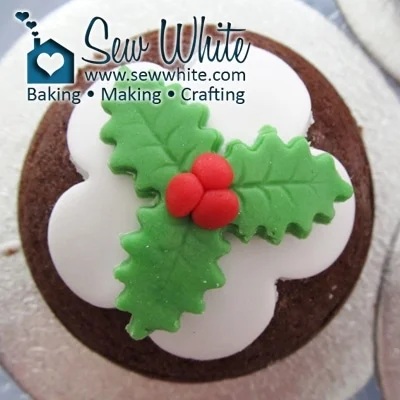
These festive chocolate cakes are baked in a half-sphere mould and decorated to look like miniature Christmas puddings. They make a playful seasonal bake to prepare and decorate with family or friends.
Ingredients
- 120 gunsalted butter
- 125 gcaster sugar
- 2 mediumeggs
- 120 gself-raising flour
- 0.5 teaspoonbaking powder
- 10 gcocoa powder
- a few drops, if neededmilk
- to tastewhite sugarpaste
- to tastegreen sugarpaste
- to tastered sugarpaste
Instructions
- 1
Heat the oven
Preheat the oven to 160°C fan.
- 2
Prepare the mould
Grease a half-sphere cake mould.
- 3
Cream butter and sugar
Beat the butter and caster sugar together until creamed.
- 4
Mix in the eggs
Add the eggs and mix.
- 5
Add dry ingredients
Sieve the flour, baking powder and cocoa powder into the mixture, then mix well.
- 6
Adjust the mixture
If the mixture is too thick, add a splash of milk.
- 7
Bake the cakes
Bake for 15 minutes.
What are Christmas pudding cakes?
These are small chocolate cakes shaped in a half-sphere mould and finished with sugarpaste decorations inspired by a traditional Christmas pudding. The recipe is listed as American cuisine, while its festive pudding appearance takes its cue from a familiar British holiday dessert.
The cocoa gives the cakes their dark colour, and the coloured sugarpaste supplies the decorative contrast. Their individual shape makes them a cheerful choice for a festive gathering.
Nutrition and macros by portion
The nutrition label shows one serving as written: 200 calories, 0g protein, 0g carbs, 0g fat.
| Portion | Adjustment | kcal | Protein | Carbs | Fat |
|---|---|---|---|---|---|
| Lighter | Use less sugarpaste | 140 kcal | 0g | 0g | 0g |
| This serving | As written | 200 kcal | 0g | 0g | 0g |
| Hungry | Serve two cakes | 300 kcal | 0g | 0g | 0g |
The flour and sugar provide most of the carbohydrates, while the butter contributes most of the fat; eggs add some protein. Serve a cake with fruit or a yoghurt-based accompaniment if you would like to balance the plate with something fresh.
Getting the cake mixture right
Creaming: Beat the butter and caster sugar together before adding the eggs, so they are combined into a smooth base.
Dry ingredients: Sieve the flour, baking powder and cocoa into the mixture to distribute them evenly, then mix until combined.
Consistency: The mixture should not be so thick that it is difficult to work with. Add only a few drops of milk if needed.
Using a half-sphere mould
Greasing: Coat the mould before adding the mixture so the cakes are easier to release after baking.
Baking: The method gives a baking time of 15 minutes at 160°C fan. The mould shape and oven can affect how quickly the cakes bake, so check them before taking them out.
Decorating the cakes
White sugarpaste can suggest the icing on a Christmas pudding, while green and red sugarpaste can be shaped into simple festive details. Keep the decorations light enough to suit the small cakes.
The recipe lists the sugarpaste but does not give a decorating method, so shape and arrange it as you prefer once the cakes are ready to decorate.
When to serve them
These cakes suit a festive tea table, a seasonal dessert spread or a hands-on decorating activity. Their individual portions make them easy to serve without slicing a larger cake.
They can be served on their own or alongside tea, coffee or another warm festive drink.
Recipe notes & tips
- Bring the butter to a workable softness before creaming it with the sugar.
- Crack the eggs into a separate bowl first so shell can be removed easily.
- Sieve the cocoa with the flour and baking powder to help avoid lumps.
- Add milk a few drops at a time if the mixture needs loosening.
- Grease the half-sphere mould thoroughly, including its curved sides.
- Let the cakes cool before adding sugarpaste decorations.
Variations
- Cocoa finish: Dust the undecorated cakes lightly with cocoa powder for a simpler look.
- Festive leaves: Shape green sugarpaste into small leaves to add a leafy detail.
- Red berries: Use small pieces of red sugarpaste as berry-like decorations.
- White topping: Arrange white sugarpaste over the cakes to suggest a pudding-style icing.
- Mixed decorations: Give each cake a different arrangement of the three sugarpaste colours.
Common mistakes to avoid
- Skipping the greasing: The cakes may stick in the curved mould; grease it before filling.
- Overmixing: The mixture can become heavy; stop once the ingredients are combined.
- Adding too much milk: The mixture may become runny; add only a few drops when it is too stiff.
- Uneven mixing: Pockets of cocoa or flour can remain; sieve the dry ingredients and mix them through well.
- Decorating while warm: Sugarpaste can become difficult to handle; wait until the cakes have cooled.
How to store
Keep the cakes in an airtight container in a cool place and eat within 2–3 days. If the room is warm, refrigerate them and bring them towards room temperature before serving.
Frequently asked questions
Can I make these without a half-sphere mould?
The recipe is designed for a half-sphere cake mould. A different small cake mould may work, but the shape and baking time can differ.
How much milk should I add?
The recipe gives no set quantity: add a few drops only if the mixture is too stiff, and mix them in before deciding whether it needs more.
Can I decorate the cakes straight from the oven?
It is easier to handle sugarpaste once the cakes have cooled. Warm cakes can soften the decorations.
How long do the cakes bake?
Bake them for 15 minutes at 160°C fan, as stated in the method. The recipe does not give a separate doneness test.
What are the sugarpaste colours for?
White, green and red sugarpaste are included for festive decoration. The recipe does not specify a particular design.
Cook it from the original
This recipe comes from sewwhite.com. Their page has the author’s own photos, notes and tips — the best place to cook it from.
Open the recipe on sewwhite.com