
Kue sagon
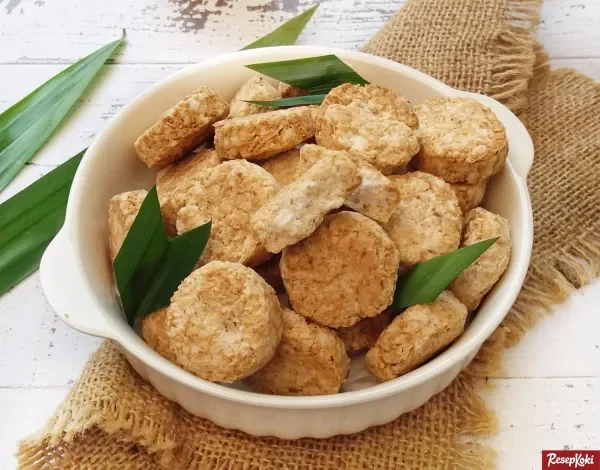
Kue sagon is a traditional Indonesian cake with toasted coconut, sago flour and sugar. Its short ingredient list makes a crisp, fragrant sweet that is easy to serve with tea or coffee.
Ingredients
- 250 gsago flour
- 250 ggrated coconut
- 200 ggranulated sugar
- 2 leavespandan leaves
Instructions
- 1
Toast the coconut
Briefly toast the grated coconut with the pandan leaves until fragrant. Remove from the heat, leave to cool, then set aside.
- 2
Mix the ingredients
Put the toasted coconut, sago flour and granulated sugar in a bowl. Mix thoroughly with your hands until evenly combined.
- 3
Pack the mixture
Transfer the mixture to a baking tin, pressing it down firmly as you fill the tin.
- 4
Bake the cake
Bake for 30 minutes at 150°C. Remove from the oven and leave to cool.
- 5
Serve or store
Serve the kue sagon, or put it in an airtight jar for storage.
- 6
Keep it crisp
Make sure the cake has cooled completely before storing it in a jar so it stays crisp for longer.
What is kue sagon?
Kue sagon is an old-fashioned Indonesian cake centred on coconut and sago flour. This version uses a simple mixture of toasted coconut, sugar and flour, giving it a fragrant, sweet-savoury character and a crumbly crunch.
Nutrition and macros by portion
The nutrition label shows one serving as written: 422 calories, 2g protein, 76g carbs, 14g fat.
| Portion | Adjustment | kcal | Protein | Carbs | Fat |
|---|---|---|---|---|---|
| Lighter | Smaller piece | 295 kcal | 1g | 53g | 10g |
| This serving | As written | 422 kcal | 2g | 76g | 14g |
| Hungry | Larger piece | 633 kcal | 2g | 114g | 21g |
The sago flour and sugar provide most of the carbohydrates, while the coconut contributes much of the fat and some protein. Pair a piece with fresh fruit or unsweetened tea for a simple, balanced serving.
Why toast the coconut?
Pandan leaves: Toasting the coconut briefly with pandan releases a fragrant aroma that flavours the mixture.
Keep it brief: The coconut only needs to smell fragrant. Let it cool before mixing so the sugar and flour combine with it evenly.
Getting the mixture right
Even mixing: Use your hands to break up clumps and distribute the sugar and sago flour through the coconut.
Firm packing: Press the mixture into the tin so it holds together after baking. Aim for an even layer rather than loose, fluffy patches.
Baking and texture
Gentle heat: Bake at 150°C for 30 minutes, following the recipe's stated time and temperature.
Cooling: The cake needs to cool after baking before serving or storing. Handle it carefully once baked, as a crumbly cake can be fragile while warm.
A few ingredient notes
Sago flour: This is the starchy base of the cake; use the specified sago flour rather than assuming another flour will behave the same way.
Grated coconut: Coconut supplies the distinctive flavour and much of the cake's richness. Its texture and moisture can vary, so press the mixture evenly into the tin.
How to serve it
Kue sagon is a compact sweet to offer alongside tea or coffee. For a more balanced plate, serve a piece with fresh fruit rather than adding another sweet.
Recipe notes & tips
- Toast the coconut only until fragrant, then take it off the heat.
- Cool the toasted coconut before combining it with the flour and sugar.
- Mix by hand until there are no obvious pockets of dry flour or sugar.
- Press the mixture into the tin in an even layer.
- Cool the cake fully before putting it in a jar.
Variations
- More pandan: Add another pandan leaf while toasting the coconut for a stronger aroma.
- Less sweet: Reduce the sugar slightly, keeping in mind that this changes the balance of the original recipe.
- Smaller pieces: Press the mixture into a shallower layer and divide it into small portions before serving.
- Toasted finish: Toast the coconut a little longer, watching closely so it does not burn.
Common mistakes to avoid
- Overtoasting the coconut: It can turn bitter; remove it as soon as it smells fragrant.
- Mixing while hot: Warm coconut can make the mixture less even; let it cool first.
- Uneven packing: Loose areas may crumble more readily; press the mixture down evenly.
- Storing while warm: Trapped steam can soften the cake; cool it completely before sealing the jar.
- Assuming it is cool: The centre may still be warm; let the whole cake cool before handling or storing.
How to store
Once completely cool, store the cake in an airtight jar at room temperature. The recipe gives no specific storage duration; keep the jar sealed to help preserve its crisp texture. If it softens, briefly warm a portion in a low oven and let it cool before eating.
Frequently asked questions
Can I use a different flour instead of sago flour?
Sago flour is the specified starch and gives this cake its characteristic texture. A different flour may change how the mixture binds and bakes.
How do I know when the coconut is toasted?
Take it off the heat once it smells fragrant. The method calls for a brief toast rather than a deep brown colour.
Why does the mixture need to be packed into the tin?
Firm, even packing helps the mixture hold together as it bakes and cools. Press down across the whole tin rather than only in the centre.
Can I store the cake before it has cooled?
No. Let it cool completely first, then seal it in a jar so moisture does not soften the crisp texture.
Can I make kue sagon ahead?
Yes. Bake it and allow it to cool fully before storing it in an airtight jar. The recipe does not specify an exact storage life.
Cook it from the original
This recipe comes from resepkoki.id. Their page has the author’s own photos, notes and tips — the best place to cook it from.
Open the recipe on resepkoki.id