
Vegan yoghurt cake
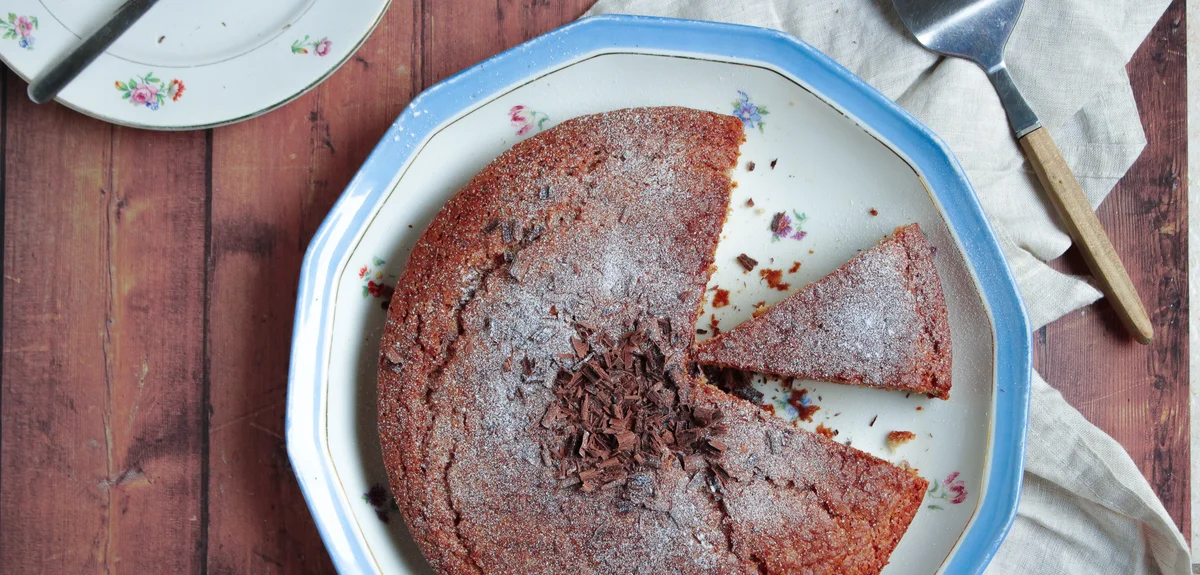
This soft French-style vegan yoghurt cake uses the yoghurt pot as a handy measure for the other ingredients. It is an easy bake for an afternoon snack, with apple purée helping keep the crumb tender.
Ingredients
- 1 pot (100 g)soya yoghurt
- 2 potssugar
- 2 potsplain flour
- 1 potcornflour
- 1 potapple purée
- 1/2 potodourless neutral oil suitable for baking
- 1zest of a lemon
- 1 tspbaking powder
Instructions
- 1
Heat the oven
Preheat the oven to 180°C.
- 2
Mix dry ingredients
In a mixing bowl, combine the flour, sugar, baking powder and lemon zest.
- 3
Mix wet ingredients
In a separate bowl, stir together the soya yoghurt, oil and apple purée.
- 4
Combine the mixtures
Pour the wet mixture into the dry ingredients and whisk gently until the batter is smooth and free of lumps.
- 5
Bake the cake
Pour the batter into a cake tin and bake for 35 minutes at 180°C.
What is a yoghurt cake?
Yoghurt cake is a simple French home-baking staple, often made by using the yoghurt pot to measure the other ingredients. This version uses soya yoghurt and apple purée, making it suitable for a vegan bake.
The pot-measure method keeps the quantities easy to remember, while cornflour and gentle mixing help give the cake a soft texture.
Nutrition and macros by portion
The nutrition label shows one serving as written: 301 calories, 4g protein, 57g carbs, 6g fat.
| Portion | Adjustment | kcal | Protein | Carbs | Fat |
|---|---|---|---|---|---|
| Lighter | Smaller cake slice | 211 kcal | 2g | 40g | 4g |
| This serving | As written | 301 kcal | 4g | 57g | 6g |
| Hungry | Larger cake slice | 452 kcal | 5g | 86g | 9g |
Most of the carbohydrates come from the sugar, flour and cornflour; the oil supplies most of the fat, while the yoghurt and flour contribute a little protein. Serve a slice with fresh fruit or an unsweetened soya yoghurt to make a more balanced plate.
The pot measure
Yoghurt pot: the 100 g pot is the measure for the sugar, flour, cornflour and apple purée. If using a different-sized pot, the proportions will change.
Mixing a smooth batter
Dry ingredients: mix the flour, sugar, baking powder and zest evenly before adding the wet mixture. This helps distribute the raising agent through the batter.
Wet ingredients: stir the yoghurt, oil and apple purée together first, then fold them into the dry mixture with a gentle whisk. Stop once no lumps remain rather than beating for longer.
Getting the texture right
Gentle mixing: a smooth batter is the target, but vigorous whisking can make the finished cake less tender. Scrape the bottom and sides of the bowl to catch any dry pockets.
Doneness: bake for the stated 35 minutes at 180°C. The cake should be set; if the centre still looks wet, give it a little more time and check again.
Lemon and apple
Lemon zest: grate only the yellow outer skin for a bright citrus aroma, avoiding the bitter white pith.
Apple purée: it adds moisture and a mild fruit note, complementing the lemon without requiring extra preparation.
Serving the cake
Let the cake cool before slicing so the crumb has time to settle. Serve it plain with tea or coffee, or add fresh fruit alongside for a simple dessert.
Recipe notes & tips
- Use the same yoghurt pot for every measure so the ingredient proportions stay consistent.
- Choose an odourless oil so its flavour does not compete with the lemon.
- Zest the lemon directly over the dry ingredients to catch its fragrant oils.
- Mix the wet ingredients thoroughly before adding them to the flour mixture.
- Grease or line the cake tin before pouring in the batter.
- Allow the cake to cool before cutting for cleaner slices.
Variations
- Orange zest: swap the lemon zest for orange zest for a softer citrus flavour.
- Vanilla: add a little vanilla extract to the wet ingredients for a warmer aroma.
- Berries: fold a small handful of berries into the finished batter just before baking.
- Spice: add ground cinnamon to the dry ingredients for a gentle spiced note.
- Gluten-free flour: use a suitable gluten-free plain flour blend in place of the flour.
Common mistakes to avoid
- Changing the measure: using different pots can upset the proportions; use the yoghurt pot consistently.
- Overmixing: whisking for too long can make the crumb heavy; stop as soon as the batter is lump-free.
- Leaving dry pockets: flour can collect at the bottom of the bowl; scrape the sides and base as you mix.
- Using a fragrant oil: a strongly flavoured oil can mask the lemon; choose a neutral, odourless one.
- Cutting it while hot: the cake may crumble before it has set; let it cool before slicing.
How to store
Keep the cooled cake in an airtight container at room temperature for up to 3 days. Reheat a slice briefly in the microwave if you prefer it warm.
Frequently asked questions
Can I use dairy yoghurt instead of soya yoghurt?
Yes, plain dairy yoghurt can be used in the same pot measure, though the cake will no longer be vegan.
Can I use homemade apple purée?
Yes, use smooth apple purée in the same pot measure. If it is very watery, drain off excess liquid first.
How do I know when the cake is baked?
Bake it for 35 minutes at 180°C, then check that the centre is set and not visibly wet. If needed, continue baking briefly and check again.
Do I need to peel the lemon?
No, only the zest is used. Grate the yellow outer skin and avoid the bitter white pith.
Can I make the batter ahead?
It is best to bake the batter soon after mixing so the baking powder can do its job in the oven.
Cook it from the original
This recipe comes from leculdepoule.co. Their page has the author’s own photos, notes and tips — the best place to cook it from.
Open the recipe on leculdepoule.co