
Poffertjes – the best authentic Dutch recipe
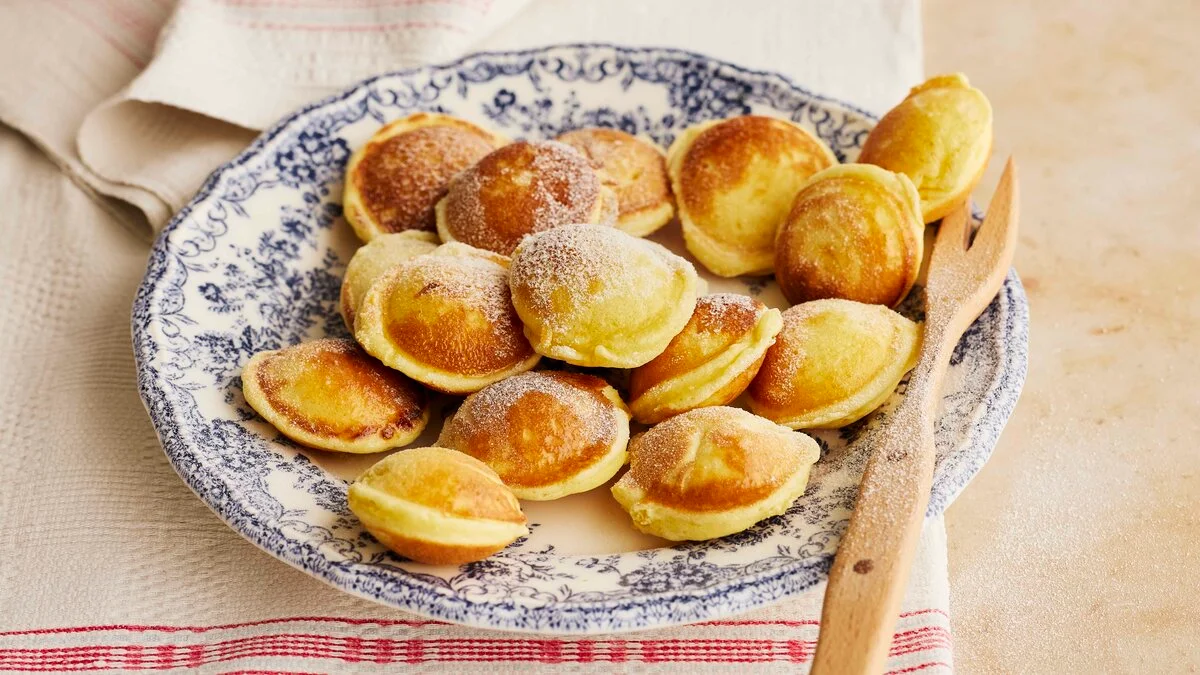
Poffertjes are small, fluffy Dutch pancakes cooked in a special pan and served warm with butter and icing sugar. This version makes a lightly sweet batter that is easy to portion and cook at home.
Ingredients
- 3medium eggs
- 75 gsugar
- 1 pinchsalt
- 1 packetvanilla sugar
- 200 gplain flour (Type 550)
- ½ packetbaking powder
- 150 mlmilk
- to tasteoil, for frying
- 50 gbutter
- 2 tbspicing sugar
Instructions
- 1
Mix the batter
In a mixing bowl, whisk the eggs with the sugar, salt and vanilla sugar until foamy. In a second bowl, combine the flour and baking powder. Stir half the milk into the egg mixture, then mix in half the flour mixture. Add the remaining milk, followed by the rest of the flour mixture. Leave the batter to rest for about 15 minutes.
- 2
Fill the pan
Heat a poffertjes pan over a medium heat and brush the wells with oil. Pour the batter into the wells, using a squeeze bottle if you have one, or a teaspoon.
- 3
Cook the poffertjes
Cook for about 2–3 minutes, until golden brown. Turn each poffertje with a pick or wooden skewer, then cook for a further 2 minutes. Repeat with the remaining batter.
- 4
Add butter and sugar
While the poffertjes cook, melt the butter in a small pan. Toss the cooked poffertjes with the warm melted butter and icing sugar, then serve straight away.
What are poffertjes?
Poffertjes are bite-sized Dutch pancakes, traditionally made in a pan with shallow round wells. Their small size and pillowy texture make them a familiar treat at markets and celebrations.
This version uses eggs, milk and baking powder for a soft, airy centre. A coating of warm butter and icing sugar gives them their classic sweet finish.
Nutrition and macros by portion
The nutrition label shows one serving as written: 507 calories, 11g protein, 75g carbs, 18g fat.
| Portion | Adjustment | kcal | Protein | Carbs | Fat |
|---|---|---|---|---|---|
| Lighter | Use less butter and sugar | 355 kcal | 8g | 53g | 13g |
| This serving | As written | 507 kcal | 11g | 75g | 18g |
| Hungry | Serve a larger portion | 761 kcal | 17g | 113g | 27g |
The flour and added sugars provide most of the carbohydrates, while the eggs contribute protein. Butter, eggs and the frying oil account for much of the fat; serve a smaller amount with fruit if you want a more balanced plate.
Building a smooth batter
Flour mixture: combining the flour and baking powder separately helps distribute the raising agent evenly through the batter.
Adding in stages: alternating the milk and flour mixture makes it easier to stir everything together without leaving dry pockets. A short rest gives the batter time to settle before cooking.
Getting the pan ready
Even heat: warm the poffertjes pan over a medium setting so the outsides have time to colour while the centres cook through.
Light oiling: brush each well with oil before filling. A portioning bottle gives you control, but a teaspoon works well if you add the batter carefully.
Turning and checking for doneness
First side: cook the batter for about 2–3 minutes, until the poffertjes are golden brown and hold their shape.
Second side: turn them with a pick or wooden skewer and cook for another 2 minutes. If they still look wet in the middle, give them a little more time over the same medium heat.
Serving them warm
Butter and sugar: melt the butter while the poffertjes are cooking, then toss the finished pancakes with it and the icing sugar. Serve immediately for the best contrast between their browned exterior and tender centre.
Alongside: offer them as a sweet snack or dessert with tea or coffee. Fresh berries can add a tart contrast to the buttery topping.
Recipe notes & tips
- Whisk the eggs and sugar until foamy before adding the other ingredients.
- Add the flour and milk in stages to help the batter come together smoothly.
- Brush the wells with oil before each batch to help the poffertjes release.
- Use a pick or wooden skewer to turn each poffertje without squashing it.
- Melt the butter while the last batch cooks so it is ready for serving.
Variations
- Citrus zest: Add a little finely grated lemon zest to the batter for a fresh note.
- Cinnamon: Dust the finished poffertjes with a little cinnamon along with the icing sugar.
- Fruit topping: Serve with sliced strawberries or other fresh berries for a fruity contrast.
- Chocolate: Add a few chocolate chips to the batter for a sweeter variation.
- Dairy-free: Use an unsweetened plant-based milk and dairy-free butter for the topping.
Common mistakes to avoid
- Overmixing the batter: Stir only until the ingredients are combined so the cooked centres stay tender.
- Pan too hot: The outside can brown before the middle cooks; keep the heat at medium.
- Overfilling the wells: Leave a little room at the top so the batter is easier to turn.
- Turning too early: Wait until the first side is golden and the poffertjes hold their shape.
- Serving them later: Poffertjes are best tossed with the warm butter and sugar just before serving.
How to store
Store cooled poffertjes in an airtight container in the fridge for up to 2 days. Reheat briefly in a pan over a low heat or in the microwave, then add the butter and icing sugar just before serving.
Frequently asked questions
Do I need a special poffertjes pan?
A poffertjes pan gives them their characteristic round shape and makes portioning easier. If you do not have one, cook small rounds of batter in a lightly oiled frying pan.
Can I make the batter ahead?
The batter can rest for the 15 minutes given in the method. For the best results, cook it soon after resting rather than preparing it far in advance.
How do I know when to turn them?
Turn them once the first side is golden and the batter is firm enough to hold its shape. A pick or wooden skewer makes the job easier.
Can I freeze poffertjes?
Yes. Freeze them in a sealed container once completely cool, ideally with baking paper between layers. Reheat from frozen in a pan or microwave, then add the topping.
What can I use instead of a portioning bottle?
A teaspoon works well; add the batter carefully to each well. A small jug can also help you pour more steadily.
Cook it from the original
This recipe comes from einfachkochen.de. Their page has the author’s own photos, notes and tips — the best place to cook it from.
Open the recipe on einfachkochen.de