
French Vinaigrette (The Ultimate Guide)
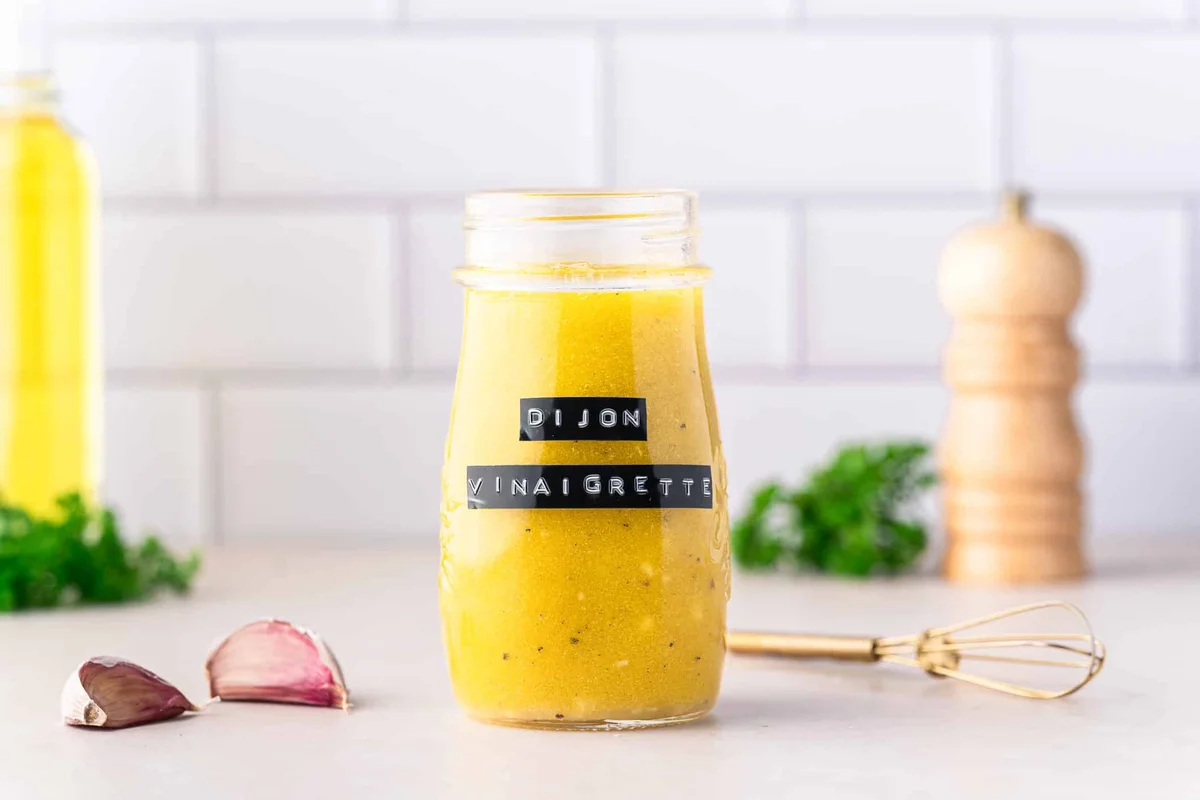
This classic French vinaigrette is a quick, tangy dressing made with Dijon mustard, white wine vinegar and olive oil. Whisk it for a thicker emulsion or shake it in a lidded container when you want the fastest method.
Ingredients
- 1 tspDijon mustard
- 1 tbspwhite wine vinegar
- 2.5 tbspolive oil
- to tastesalt and pepper
Instructions
- 1
Dissolve the salt
In a small bowl or container, combine the vinegar and salt. Whisk until the salt has dissolved.
- 2
Stir in mustard
Add the mustard and stir it into the vinegar mixture.
- 3
Whisk in oil
For the classic method, drizzle in the oil slowly in a thin stream, whisking vigorously with a small whisk or fork until the dressing thickens.
- 4
Shake it together
For the quick method, add all the olive oil at once and secure the lid. Shake the container for several seconds, until the vinaigrette is emulsified.
- 5
Season to finish
Taste the dressing and adjust the seasoning, then finish with a pinch of black pepper.
What is French vinaigrette?
French vinaigrette is a simple dressing built around vinegar and oil, with mustard often added to bring sharpness and help the mixture come together. This version uses white wine vinegar and Dijon mustard for a clean, savoury flavour.
The method offers two ways to combine the ingredients: whisk the oil in gradually for a thicker emulsion, or shake everything together for convenience.
Nutrition and macros by portion
The nutrition label shows one serving as written: 79 calories, 0g protein, 0g carbs, 9g fat.
| Portion | Adjustment | kcal | Protein | Carbs | Fat |
|---|---|---|---|---|---|
| Lighter | Use less olive oil | 55 kcal | 0g | 0g | 6g |
| This serving | As written | 79 kcal | 0g | 0g | 9g |
| Hungry | Larger dressed salad | 119 kcal | 0g | 0g | 14g |
Olive oil provides most of this dressing's calories and fat, while the mustard and vinegar contribute flavour with very little carbohydrate or protein. Serve it over a generous portion of vegetables, and pair the salad with a protein-rich food if you want a more filling plate.
The ingredient balance
Vinegar: White wine vinegar gives the dressing its bright, tart base. Dissolving the salt in it first helps distribute the seasoning.
Mustard: Dijon adds a gentle savoury tang and helps the oil and vinegar stay combined for longer.
Olive oil: The oil softens the vinegar's sharpness and gives the vinaigrette its silky texture. Use one you enjoy tasting in a dressing.
Whisking for a thicker dressing
Slow addition: Pour the oil in a thin stream while whisking vigorously. Adding it gradually gives the vinegar and oil time to form a thicker emulsion.
Texture cue: The dressing should look more uniform and slightly thickened when it is ready. If oil begins to separate, whisk again briefly before serving.
The quick shaking method
Secure the lid: Add the oil all at once, close the container firmly and shake for several seconds. This is a handy option when you want to mix and store the dressing in the same container.
Check the emulsion: Open the container and look for an evenly mixed dressing. Separation over time is normal; shake it again before using.
Seasoning and serving
Final adjustment: Taste after mixing, then add black pepper and adjust the salt if needed. The dressing's flavour can seem sharper on its own than it will on salad.
Serving ideas: Toss it with leafy salads or spoon it over sliced tomatoes and other fresh vegetables. Add it just before serving so the leaves stay crisp.
Recipe notes & tips
- Dissolve the salt in the vinegar before adding the mustard and oil.
- Use a small whisk or fork so you can control the oil as you drizzle it in.
- Shake the container with the lid secured firmly to avoid spills.
- Taste the dressing after emulsifying, when all the flavours are combined.
- Shake or whisk again if the oil and vinegar separate before serving.
Variations
- Herb finish: Stir in finely chopped fresh herbs just before serving.
- More mustard: Add extra Dijon for a sharper, more mustard-forward dressing.
- Softer acidity: Use a little less vinegar for a milder result.
- Garlic note: Add finely grated garlic for a more savoury flavour.
- Citrus twist: Replace some of the vinegar with lemon juice for a brighter variation.
Common mistakes to avoid
- Adding oil too quickly: The mixture may stay thin; drizzle it in gradually while whisking.
- Skipping the salt dissolve: Undissolved salt can leave uneven seasoning; whisk it into the vinegar first.
- Loose container lid: Dressing can leak while shaking; check the lid is firmly secured.
- Expecting it to stay emulsified: Oil and vinegar can separate as they stand; shake or whisk before serving.
- Over-seasoning before tasting: The flavours change once mixed; taste the finished vinaigrette before adjusting.
How to store
Keep the vinaigrette in a sealed container in the refrigerator and use it within a few days. The oil may firm up when chilled, so let it stand briefly and shake or whisk well before serving.
Frequently asked questions
Can I make this vinaigrette without a whisk?
Yes. Add the oil to a container with a secure lid and shake for several seconds until the dressing is emulsified.
Why has my dressing separated?
Oil and vinegar naturally separate as they stand. Whisk or shake the vinaigrette again before using it.
Can I make it ahead?
Yes, mix it in advance and keep it covered in the refrigerator. Shake or whisk it before serving.
What can I serve it with?
It works well with leafy salads, tomatoes and other fresh vegetables. Dress salad shortly before serving to keep the leaves crisp.
How can I make the flavour less sharp?
Use a little less vinegar, then taste and adjust the seasoning after mixing.
Cook it from the original
This recipe comes from lacuisinedegeraldine.fr. Their page has the author’s own photos, notes and tips — the best place to cook it from.
Open the recipe on lacuisinedegeraldine.fr