
Chayote soup
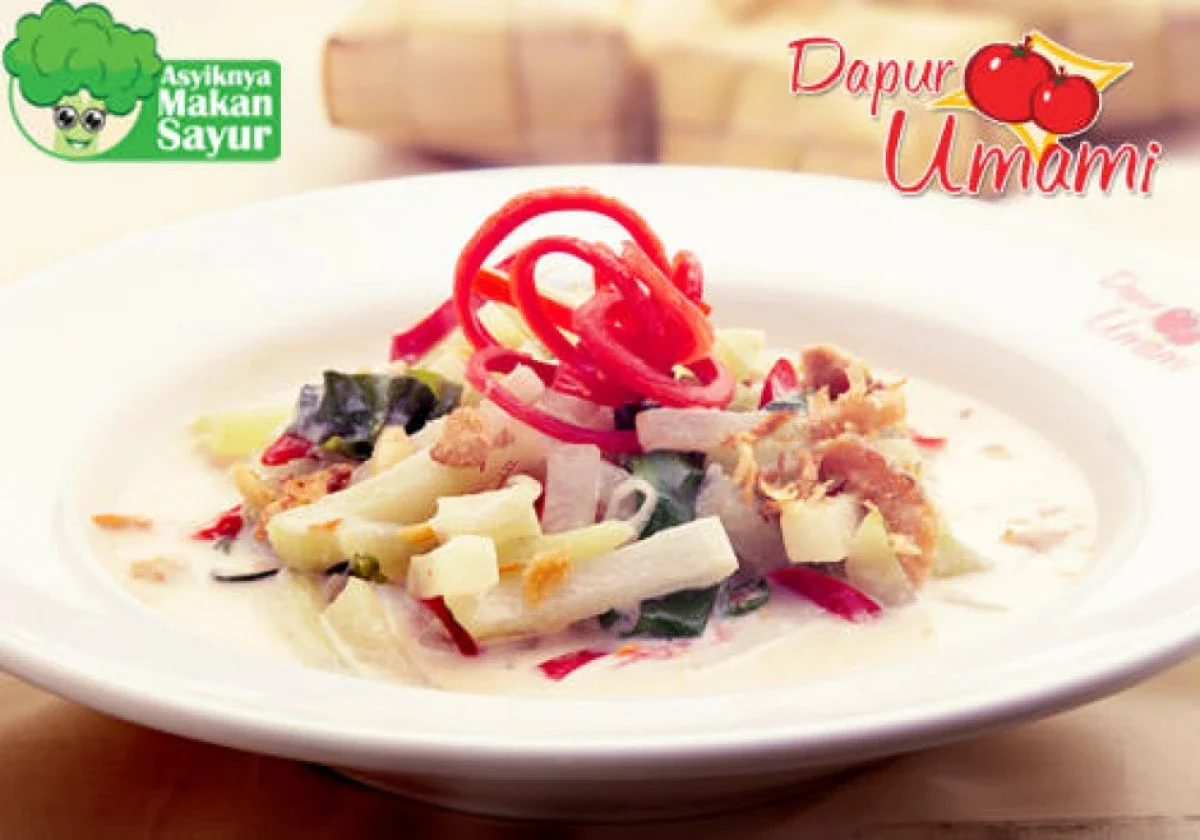
This Indonesian-style chayote soup combines tender strips of chayote and melinjo leaves with dried shrimp, aromatics and a savoury broth. Serve it warm with ketupat for a comforting everyday meal.
Ingredients
- 1chayote
- 4 tbspdried shrimp
- 30 gmelinjo leaves
- 5shallots
- 2red chillies
- 2Indonesian bay leaves
- 2 piecesgalangal
- 1 tspAJI-NO-MOTO®
- 3 tbspcooking oil
- to tasteketupat
- to tastefried shallots
Instructions
- 1
Prepare the ingredients
Bruise the galangal. Slice the shallots and red chillies, then cut the chayote into matchsticks.
- 2
Fry the aromatics
Heat the oil and sauté the shallots, red chillies, Indonesian bay leaves, galangal and dried shrimp.
- 3
Add vegetables
Add thin coconut milk, the chayote and melinjo leaves, then stir to combine.
- 4
Season and serve
Add the AJI-NO-MOTO® and stir until cooked. Remove from the heat and serve with the accompaniments.
What is chayote soup?
Chayote soup is a home-style Indonesian dish built around labu siam, the mild, crisp-fleshed squash known in English as chayote. This version pairs it with melinjo leaves and dried shrimp for a savoury, aromatic broth.
The recipe’s combination of shallots, chilli, Indonesian bay leaves and galangal gives the soup its warm, fragrant character. Ketupat makes it more substantial and is served alongside as a rice-based accompaniment.
Nutrition and macros by portion
The nutrition label shows one serving as written: 210 calories, 8g protein, 27g carbs, 9g fat.
| Portion | Adjustment | kcal | Protein | Carbs | Fat |
|---|---|---|---|---|---|
| Lighter | Less oil, more chayote | 147 kcal | 6g | 19g | 6g |
| This serving | As written | 210 kcal | 8g | 27g | 9g |
| Hungry | Extra ketupat portion | 315 kcal | 12g | 41g | 14g |
The chayote and melinjo leaves contribute most of the vegetables and fibre, while ketupat supplies most of the carbohydrates. Cooking oil and the unspecified thin coconut milk provide much of the fat; dried shrimp add protein and sodium. For a more balanced plate, serve a measured portion of ketupat alongside plenty of soup and add another protein-rich dish if needed.
Prepare the chayote
Matchsticks: cut the chayote into even strips so they cook at roughly the same rate and are easy to pick up with a spoon.
Skin: chayote can be slippery when peeled. If its sap bothers your skin, peel it under running water or wear kitchen gloves.
Build the savoury base
Dried shrimp: sauté them with the shallots and other aromatics to release their savoury flavour into the oil. If they are very salty, briefly rinse and drain them first.
Galangal and leaves: bruising the galangal helps it release its fragrance, while Indonesian bay leaves add a distinctive herbal note. Keep the pieces large enough to remove easily when serving.
Cook the vegetables gently
Coconut milk: the method calls for thin coconut milk, although no amount appears in the supplied ingredient list. Add it with the vegetables as directed, and keep the soup at a gentle simmer rather than a hard boil.
Doneness: the chayote should be tender but still hold its shape, and the melinjo leaves should be wilted. Start checking after a few minutes of simmering, as the recipe gives no exact cooking time.
Season before serving
AJI-NO-MOTO®: stir it in near the end, then taste the broth before adding any extra seasoning. The dried shrimp already contribute savouriness and may bring salt with them.
Accompaniments: serve the soup warm with ketupat and a scattering of fried shallots. The ketupat provides a filling, mild contrast to the fragrant broth.
Keep the texture balanced
Even cuts: uniform chayote strips are the easiest way to avoid a mix of undercooked and overly soft pieces. Add the vegetables only after the aromatics have been sautéed.
Gentle heat: once the coconut milk is in the pan, avoid vigorous boiling. A calm simmer helps the vegetables soften without making the broth feel greasy or causing the coconut milk to split.
Recipe notes & tips
- Cut the chayote into even matchsticks so the pieces cook uniformly.
- Bruise the galangal before adding it to help release its aroma.
- Sauté the dried shrimp with the aromatics to flavour the oil.
- Keep the soup at a gentle simmer after adding coconut milk.
- Taste the broth before adding extra salt, as dried shrimp can be salty.
- Remove the bay leaves and galangal pieces before serving if preferred.
Variations
- Milder chilli: use one red chilli or remove the seeds for less heat.
- More broth: add extra thin coconut milk, adjusting the seasoning to taste.
- No coconut milk: use a light stock instead for a broth without coconut.
- Heartier bowl: serve with a larger portion of ketupat.
- Extra greens: add more melinjo leaves while keeping the broth at a gentle simmer.
Common mistakes to avoid
- Uneven chayote strips: pieces cook at different speeds; cut them to a similar thickness.
- Burnt aromatics: high heat can scorch the shallots and shrimp; sauté over medium heat and stir.
- Hard boiling coconut milk: vigorous boiling can split the broth; maintain a gentle simmer.
- Overcooked chayote: it can turn mushy; check for tenderness while the strips still hold their shape.
- Over-seasoning: dried shrimp may already be salty; taste the broth before adding salt.
How to store
Cool leftovers promptly and refrigerate in an airtight container for up to 3 days. Reheat gently in a pan until steaming, adding a splash of water if the broth has thickened; store ketupat separately where possible.
Frequently asked questions
What is chayote called in Indonesian?
It is called labu siam. The recipe uses one whole chayote, cut into matchsticks.
What can I use instead of melinjo leaves?
The supplied recipe does not specify a substitute. If you cannot find them, use another tender leafy green, keeping in mind that the flavour will differ.
How much coconut milk should I add?
The method mentions thin coconut milk, but the ingredient list gives no quantity. Add enough for the amount of broth you want, then season to taste.
Can I make the soup less spicy?
Yes. Use one red chilli or remove the seeds before slicing. You can also leave the chilli out.
What is ketupat?
Ketupat is compressed rice traditionally cooked in a woven casing and served as an accompaniment. The recipe does not specify an amount, so serve it to taste.
Cook it from the original
This recipe comes from dapurumami.com. Their page has the author’s own photos, notes and tips — the best place to cook it from.
Open the recipe on dapurumami.com