
Patin catfish tomato soup
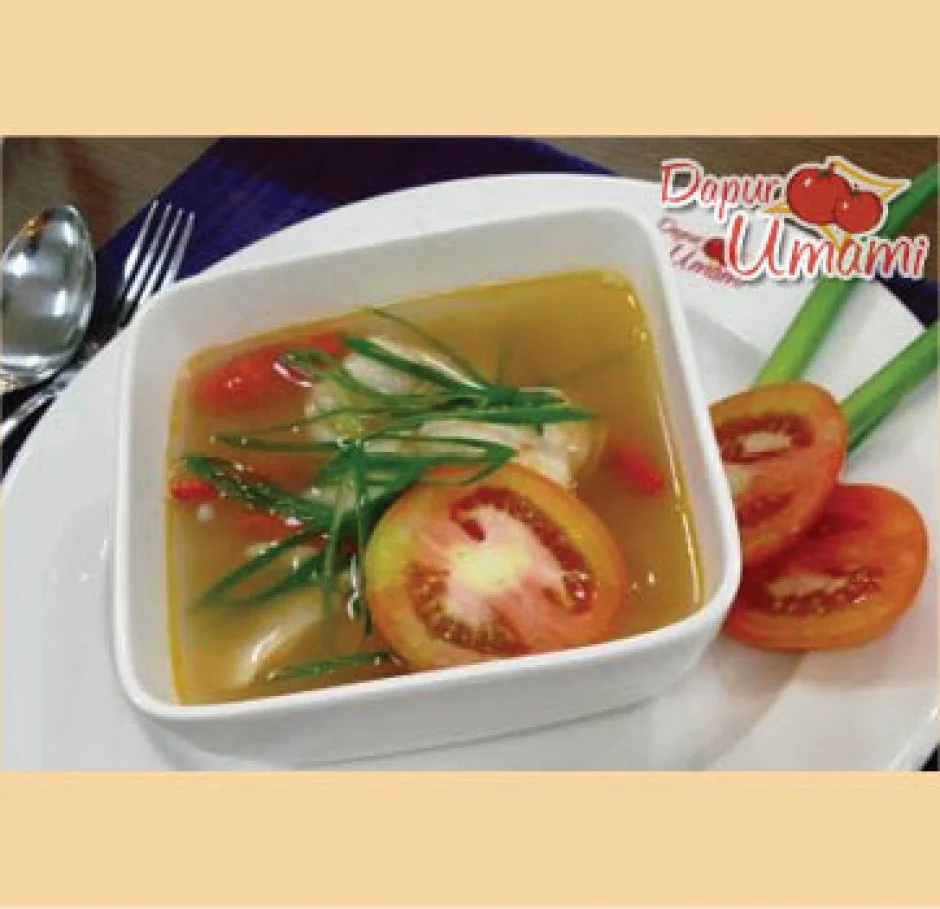
This Indonesian-style patin catfish soup combines tender fish with grated and fresh tomato, lime, ginger, lemongrass and whole bird’s-eye chillies. It comes together in about 30 minutes and makes a bright, warming meal with rice.
Ingredients
- 500 gpatin catfish, cleaned and cut into 6 cm pieces
- 2 tbsp juice from 1 limelime
- 2 largered tomatoes, grated
- 1 mediumred tomato, cut into pieces
- 10shallots, thinly sliced
- 10red bird’s-eye chillies, left whole
- 4 cmginger, cut into matchsticks
- 5 leaveskaffir lime leaves, central ribs removed
- 2 stalkslemongrass, use the white part and bruise
- 1 stalkspring onion
- 1 litrewater
- 4 tspsalt
- 1 tbspcooking oil
- 1 sachet (11 g)Masako chicken-flavour seasoning
Instructions
- 1
Season the fish
Coat the catfish with the lime juice and ½ tsp of the salt, then leave it to stand.
- 2
Build the broth
Bring the water to the boil. Meanwhile, sauté the shallots, ginger, lemongrass and kaffir lime leaves in the oil. Add them to the boiling water with the whole chillies. Cook over medium heat until the chillies soften and the broth returns to a boil.
- 3
Cook the soup
Add the grated tomatoes, the remaining salt and the chicken-flavour seasoning, and stir. Once the broth boils again, add the fish and cook until tender and cooked through. Serve with the spring onion and fresh tomato.
What is patin catfish tomato soup?
Patin is a freshwater catfish popular in Indonesian cooking, where it is often simmered in aromatic, tangy broths. This version gets its tomato flavour in two ways: grated tomato melts into the soup, while fresh tomato is added at serving.
The combination of lime, ginger, lemongrass and kaffir lime leaves makes the broth fragrant and lively. Whole bird’s-eye chillies bring heat as they soften in the pot.
Nutrition and macros by portion
The nutrition label shows one serving as written: 190 calories, 21g protein, 10g carbs, 7g fat.
| Portion | Adjustment | kcal | Protein | Carbs | Fat |
|---|---|---|---|---|---|
| Lighter | Use less oil and salt | 133 kcal | 15g | 7g | 5g |
| This serving | As written | 190 kcal | 21g | 10g | 7g |
| Hungry | Serve with extra rice | 285 kcal | 32g | 15g | 11g |
The fish supplies most of the protein, while the tomatoes and shallots contribute some carbohydrate. Most of the added fat comes from the cooking oil; the seasoning sachet and salt account for much of the sodium. Serve with a moderate portion of rice and extra vegetables to round out the plate.
Choosing the fish and tomatoes
Catfish: Cut the cleaned fish into evenly sized 6 cm pieces so they cook at a similar rate. Handle them gently once they go into the broth, as cooked fish can break apart.
Tomatoes: Grated tomatoes disperse through the liquid and give it body. The chopped tomato added at the end keeps a fresher, more distinct taste.
Layering the aromatics
Sautéed aromatics: Briefly cooking the shallots, ginger, lemongrass and kaffir lime leaves in oil helps release their aroma before they go into the water. Bruising the lemongrass helps it flavour the broth.
Chillies: The recipe uses whole chillies, so they infuse the soup without being chopped through it. Avoid piercing them if you prefer a gentler broth.
Getting the fish tender
Lime rest: Coating the fish with lime juice and a little salt seasons it before cooking. Keep the resting period brief while you prepare the broth.
Gentle simmer: Add the fish only after the tomato broth has boiled again, then cook just until it is tender and cooked through. A vigorous boil or frequent stirring can cause the pieces to fall apart.
Balancing the seasoning
Salt and seasoning: The recipe includes both salt and a chicken-flavour seasoning sachet. Stir them into the tomato broth before adding the fish so they distribute evenly.
Taste the broth before serving, taking into account that the seasoning sachet contributes saltiness too. Add the spring onion and fresh tomato at the end for a fresher finish.
Serving the soup
Rice: Serve the hot soup with steamed rice to make a satisfying meal and to soak up the aromatic broth.
Fresh sides: Extra tomato or a simple plate of vegetables can add freshness alongside the fish. Keep the whole chillies in the bowl if you want to control how much heat you eat.
Recipe notes & tips
- Remove the central ribs from the kaffir lime leaves as directed so they are easier to eat around.
- Bruise the lemongrass before sautéing to help it release its aroma.
- Keep the chillies whole if you want their flavour without distributing their seeds through the broth.
- Add the fish after the tomato broth returns to a boil, then avoid stirring it more than necessary.
- Have the spring onion and chopped tomato ready to add as soon as the soup is cooked.
Variations
- Adjust the heat: Use fewer whole bird’s-eye chillies for a milder broth.
- Add greens: Stir in a handful of quick-cooking leafy greens near the end.
- Use another fish: Substitute firm white fish pieces, adjusting the cooking time until just cooked.
- Add extra lime: Serve with lime wedges for a sharper, brighter finish.
- Make it more substantial: Serve the soup with steamed rice.
Common mistakes to avoid
- Overcooking the fish: Add it after the broth boils and stop cooking once it is tender and cooked through.
- Breaking up the fish: Stir gently and avoid a vigorous boil after the pieces go in.
- Soggy fresh tomato: Add the chopped tomato at serving rather than simmering it with the grated tomato.
- Uneven seasoning: Stir the salt and seasoning into the broth before adding the fish.
- Too much chilli heat: Keep the chillies whole and use fewer if you want a milder soup.
How to store
Refrigerate leftovers in a covered container and use within 2 days. Reheat gently in a saucepan until steaming hot, taking care not to break up the fish; add fresh spring onion and tomato after reheating if possible.
Frequently asked questions
Can I use a different fish?
Yes. Choose a firm fish that holds together in soup, cut it into similar-sized pieces and cook it just until done.
How can I make the soup less spicy?
Use fewer bird’s-eye chillies and leave them whole. Avoid splitting them, since that releases more heat into the broth.
Do I need to remove the kaffir lime leaves before serving?
They are used to flavour the broth and are not usually eaten. You can remove them before serving if you prefer.
How do I know when the catfish is cooked?
The flesh should look opaque and be tender when checked with a fork. Avoid cooking it for longer than needed, as the pieces may fall apart.
What should I serve with the soup?
Steamed rice is a natural pairing. Fresh vegetables or extra tomato can accompany it for a lighter side.
Cook it from the original
This recipe comes from dapurumami.com. Their page has the author’s own photos, notes and tips — the best place to cook it from.
Open the recipe on dapurumami.com