
Coffee muffins
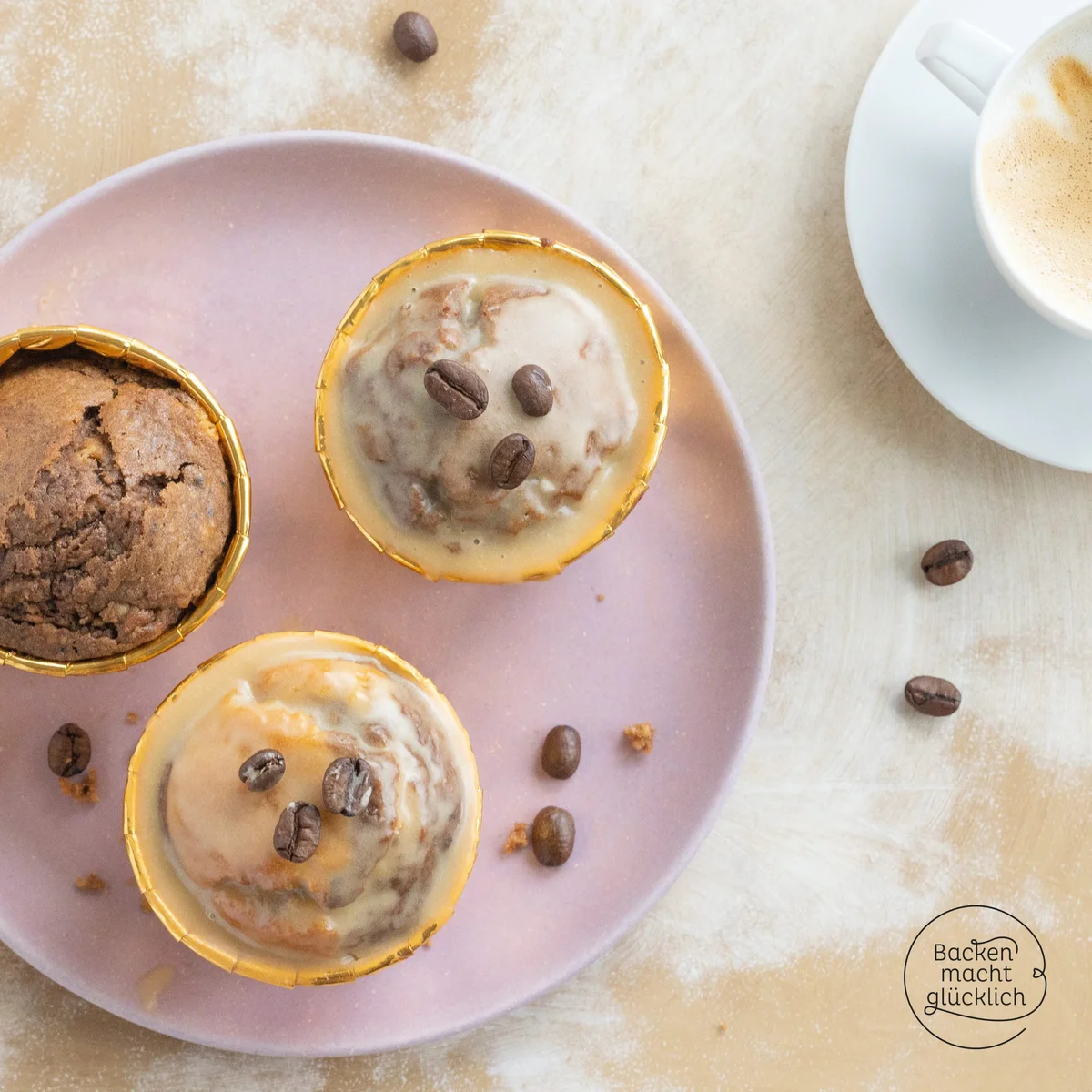
These quick coffee muffins combine espresso, cocoa and a light coffee icing for a soft, moist bake. They make an easy treat to serve with an afternoon cup of coffee.
Ingredients
- 250 gplain flour
- 2½ tspbaking powder
- 1 pinchsalt
- 1½ tbsp (or more)baking cocoa
- 120 gbrown sugar
- 2 mediumeggs
- 110 mlsunflower oil
- 40 mlespresso or strong coffee
- 150 ml (approximate)milk
- 2 drops (optional)bitter almond flavouring
- 120 gicing sugar
- 1 tsp (approximate)espresso
- 1 tspmilk
Instructions
- 1
Prepare the oven
Make about 50 ml of espresso or strong coffee and set it aside. Heat the oven to 180°C, using conventional top and bottom heat.
- 2
Mix dry ingredients
Combine the flour, baking powder, salt and cocoa in a bowl.
- 3
Whisk wet ingredients
In a separate bowl, whisk the eggs with the brown sugar. Stir in the oil, 40 ml of lukewarm espresso, milk and, if using, the bitter almond flavouring.
- 4
Combine the batter
Add the dry mixture to the wet ingredients and mix briefly but thoroughly. The batter should be fairly runny; add a little more milk if needed.
- 5
Bake the muffins
Divide the batter between about 12 muffin cases, preferably silicone ones, and set them in a muffin tin. Bake for around 20–22 minutes, depending on their size.
- 6
Make the icing
Sift the icing sugar and mix with enough espresso and milk to make a spreadable icing that is not too runny. Spread a thin layer over the muffins. Top with chocolate coffee beans if desired.
What are coffee muffins?
Coffee muffins are individual, quick-baked cakes flavoured with espresso, here paired with cocoa and a simple coffee icing. This home-style version uses oil for a moist crumb and brown sugar for a rounded sweetness.
The recipe has no specified regional origin; its appeal is the straightforward muffin method and familiar coffee-and-chocolate pairing. A thin icing adds extra coffee flavour without weighing down the muffins.
Nutrition and macros by portion
The nutrition label shows one serving as written: 250 calories, 5g protein, 39g carbs, 9g fat.
| Portion | Adjustment | kcal | Protein | Carbs | Fat |
|---|---|---|---|---|---|
| Lighter | Use less icing | 175 kcal | 3g | 27g | 6g |
| This serving | As written | 250 kcal | 5g | 39g | 9g |
| Hungry | Serve two muffins | 375 kcal | 7g | 59g | 14g |
The flour and sugars provide most of the carbohydrates, while sunflower oil supplies much of the fat; eggs contribute some protein. Serve a muffin with fruit or plain yoghurt for a more balanced snack.
Choosing the coffee and cocoa
Espresso: Use freshly made espresso or strong coffee, and let it cool until lukewarm before adding it to the eggs. The method sets aside some coffee for the icing, so keep the remainder separate.
Cocoa: Baking cocoa brings a gentle chocolate note that complements the coffee. The listed amount can be increased if you would like a more pronounced cocoa flavour.
Mixing the batter
Wet ingredients: Whisk the eggs and brown sugar first, then stir in the oil, coffee and milk. Add the optional bitter almond flavouring at this stage.
Dry ingredients: Mix the flour, baking powder, salt and cocoa before combining them with the wet mixture. Stir only until evenly mixed; the batter is meant to be fairly loose.
Getting the texture right
Batter: It should pour readily rather than hold a stiff shape. If it seems too thick, the method allows for adding a little more milk.
Mixing: Work briskly once the dry ingredients meet the wet ingredients, but avoid prolonged mixing. This helps keep the baked muffins tender.
Checking when they are done
Timing: Bake for about 20–22 minutes at 180°C, with the exact time depending on the size of the muffins. Start checking near the lower end of the range.
Doneness: The tops should look set, and a skewer inserted into a muffin should come out without wet batter. Let the muffins cool before icing so the topping does not run off.
Finishing and serving
Icing: Add the espresso and milk to the sifted icing sugar gradually until it is spreadable but not runny. A thin layer gives each muffin a coffee finish without overwhelming its crumb.
Serving: These are well suited to an afternoon coffee break. If using chocolate coffee beans as a topping, add them while the icing is still soft.
Recipe notes & tips
- Use room-temperature eggs and milk so the batter comes together smoothly.
- Measure the espresso for the batter separately from the coffee intended for the icing.
- Choose silicone cases if available, as suggested in the method.
- Set the muffin cases in a muffin tin to help them keep their shape.
- Cool the muffins before spreading on the icing.
Variations
- More cocoa: Increase the baking cocoa for a stronger chocolate note.
- Almond hint: Add the optional bitter almond flavouring for a subtle aromatic edge.
- Strong coffee: Use strong brewed coffee instead of espresso.
- Coffee topping: Finish with chocolate coffee beans if you have them.
- Plain tops: Leave off the icing for muffins with a less sweet finish.
Common mistakes to avoid
- Overmixing: Stir only until the ingredients are combined to help keep the crumb tender.
- Thick batter: Add a little more milk if the batter does not seem fairly runny.
- Hot espresso: Let the coffee become lukewarm before mixing it into the eggs.
- Runny icing: Add the coffee and milk gradually so the topping remains spreadable.
- Icing warm muffins: Let them cool first so the icing does not slide off.
How to store
Keep the cooled muffins in an airtight container at room temperature and eat within 2–3 days. If needed, warm them briefly in a low oven; add icing after reheating if you are preparing them ahead.
Frequently asked questions
Can I use strong coffee instead of espresso?
Yes. The recipe allows strong coffee as an alternative; make it concentrated enough to give the muffins a clear coffee flavour.
Can I leave out the bitter almond flavouring?
Yes. It is optional, so you can omit it without changing the rest of the method.
Why is my batter runny?
A fairly runny batter is intended for this recipe. The method suggests adding a little more milk if it seems too thick.
How do I know when the muffins are baked?
Bake for around 20–22 minutes, depending on size. Check that the tops are set and a skewer comes out without wet batter.
Can I make the muffins without icing?
Yes. The icing is the finishing touch, and the muffins can be served plain if you prefer a less sweet result.
How many muffins does the recipe make?
It makes about 12 muffins.
Cook it from the original
This recipe comes from backenmachtgluecklich.de. Their page has the author’s own photos, notes and tips — the best place to cook it from.
Open the recipe on backenmachtgluecklich.de