
German Pork Hock (Schweinshaxe Recipe)
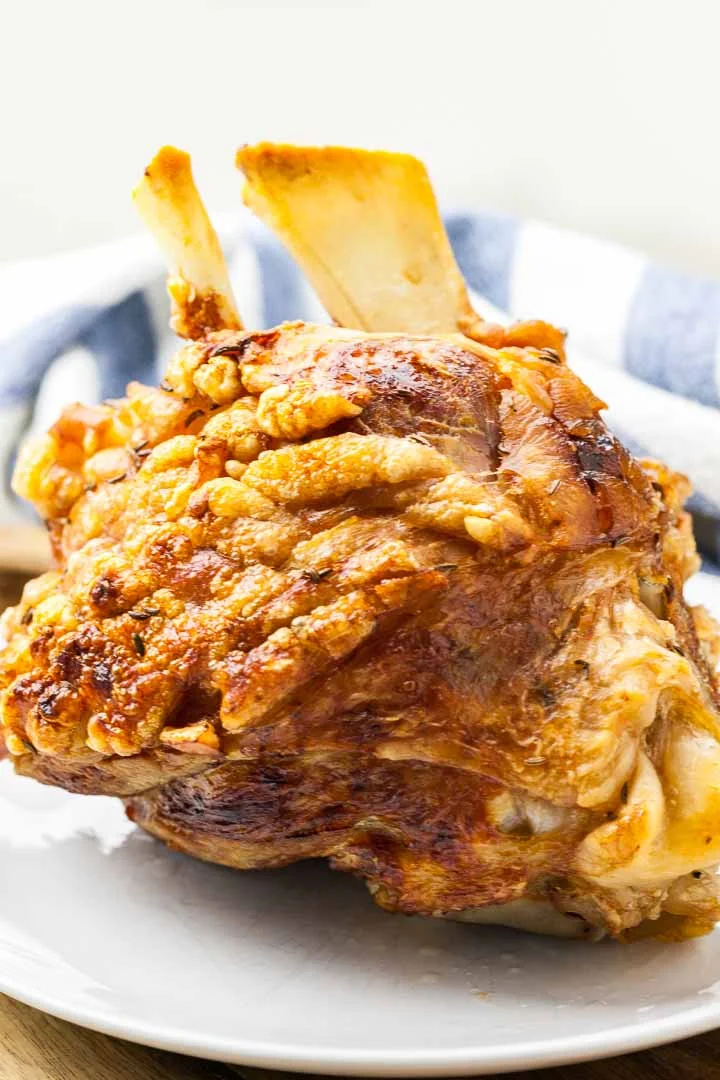
Schweinshaxe is Bavarian pork knuckle, gently cooked until tender and then roasted for crisp, crackling skin. The two-stage method takes time but needs little hands-on work, making it a hearty centrepiece for a German-inspired meal.
Ingredients
- 2fresh, uncured, unsmoked pork knuckles
- 1 tspblack peppercorns
- 4bay leaves
- 4juniper berries
- 1 largeonion, peeled and quartered
- 1 tbspcaraway seeds
- to tastesalt
Instructions
- 1
Gently cook the hocks
Bring a large pot of water to the boil and add 2 tsp salt, the quartered onion, peppercorns, bay leaves and juniper berries. Lower the heat until the water is hot but not simmering, then submerge the pork knuckles, making sure they are covered. Cook at this low temperature for 90 minutes; do not let the water boil or simmer.
- 2
Score the skin
After 90 minutes, lift the pork knuckles out of the water with tongs. Use a sharp knife to cut a diamond pattern into the skin.
- 3
Roast the pork
Preheat the oven to 200°C (390°F). Rub the knuckles with caraway seeds and salt, then place them on a rack in a roasting pan. Roast in the middle of the oven for about 90 minutes, turning them after 45 minutes.
- 4
Crisp the crackling
Switch on the grill for the final 5–10 minutes to crisp the skin. Watch closely, as it can burn quickly; it should become crackling and very crisp.
- 5
Serve immediately
Take the pork knuckles out of the oven and serve straight away.
What is Schweinshaxe?
Schweinshaxe is a traditional Bavarian dish made from pork knuckle, also called pork hock. It is associated with southern Germany and is enjoyed at Oktoberfest as well as throughout the year.
This version first cooks the knuckles gently in seasoned water, then roasts them to crisp the skin. That sequence helps the meat become tender while giving the crackling its defining texture.
Nutrition and macros by portion
The nutrition label shows one serving as written: 220 calories, 15g protein, 4g carbs, 19g fat.
| Portion | Adjustment | kcal | Protein | Carbs | Fat |
|---|---|---|---|---|---|
| Lighter | Add vegetables, reduce pork | 154 kcal | 11g | 3g | 13g |
| This serving | As written | 220 kcal | 15g | 4g | 19g |
| Hungry | Larger pork portion | 330 kcal | 23g | 6g | 29g |
The pork supplies most of the protein and fat, while the small amount of carbohydrate comes mainly from the onion and seasonings. Pair a knuckle portion with a generous serving of vegetables and a measured portion of potatoes or dumplings to make a more balanced plate.
Choosing the pork
Fresh knuckles: use pork that is uncured and unsmoked, as specified here. Cured or smoked hocks have a different flavour and may be saltier.
Skin on: the skin is essential for the crackling. Score it in a diamond pattern after the gentle cooking so the cuts are easier to make.
Keep the poaching water still
Low heat: the first stage calls for hot water, not a simmer. Keep the temperature steady for the full 90 minutes and avoid bubbles breaking the surface.
Covered meat: make sure the knuckles remain submerged. Use a pot large enough to hold them under the water.
Seasoning the hocks
Aromatic water: onion, peppercorns, bay leaves and juniper berries season the pork as it cooks. They are added to the water rather than rubbed onto the skin.
Caraway and salt: rub these over the knuckles before roasting. Work the seasoning across the surface, including around the scored skin.
Roasting and crackling
On a rack: roasting the hocks on a rack lets heat circulate around them. Turn them once, after 45 minutes, during the roughly 90-minute roast.
Final grill: use the grill for just the last 5–10 minutes and keep watch. The skin can go from crisp to burnt quickly.
What to serve alongside
Serve the knuckles immediately, while the crackling is at its crispest. The recipe does not specify side dishes, but potatoes or bread dumplings and a sharp cabbage side make a fitting German-style plate.
A fresh, tangy side can balance the richness of the pork without competing with its caraway seasoning.
Recipe notes & tips
- Choose a pot that lets the knuckles sit fully beneath the water.
- Keep the poaching water below a simmer throughout the 90-minute first stage.
- Use a sharp knife to score the skin in a neat diamond pattern.
- Turn the knuckles once halfway through roasting, after 45 minutes.
- Stay beside the oven during the final 5–10 minutes under the grill.
Variations
- More caraway: add a little extra to the rub if you want a stronger caraway flavour.
- Juniper emphasis: lightly crush the berries before adding them to the cooking water.
- Extra onion: add another quartered onion to the poaching water for a fuller aromatic base.
- Serving sides: pair with potatoes or dumplings and a tangy cabbage side.
- Crackling finish: extend the grilling only in short intervals, watching closely until the skin is crisp.
Common mistakes to avoid
- Boiling the hocks: the method calls for water that is hot but not simmering; lower the heat if bubbles appear.
- Leaving parts uncovered: keep the knuckles submerged during the first 90 minutes.
- Skipping the score: cut a diamond pattern into the skin before roasting so the surface is ready to crisp.
- Forgetting to turn: turn the hocks after 45 minutes for the remaining roast.
- Walking away from the grill: the skin can burn quickly, so watch it during the final 5–10 minutes.
How to store
Refrigerate leftover pork in a covered container and eat within 3–4 days. Reheat in an oven until hot throughout; the skin is best freshly roasted and may soften after storage.
Frequently asked questions
Can I use smoked or cured pork knuckles?
This recipe specifies fresh, uncured and unsmoked knuckles. Smoked or cured ones will taste different and can contain more salt.
Should the water simmer while the pork cooks?
No. Keep it hot but still for the full 90 minutes, without boiling or simmering.
Why score the skin?
The diamond cuts prepare the skin for the roasting stage, when it is crisped into crackling. Use a sharp knife and take care not to cut yourself.
When should I turn the pork knuckles?
Turn them once after 45 minutes of roasting, then continue for about 45 minutes more.
How do I stop the crackling from burning?
Use the grill only for the final 5–10 minutes and keep the pork under close watch. The skin can burn quickly.
Can I prepare Schweinshaxe ahead?
The crackling is at its best when the knuckles are served immediately after roasting. For the crispest result, do the final roasting and grilling just before serving.
Cook it from the original
This recipe comes from platedcravings.com. Their page has the author’s own photos, notes and tips — the best place to cook it from.
Open the recipe on platedcravings.com