
Sous Vide Pork Chops
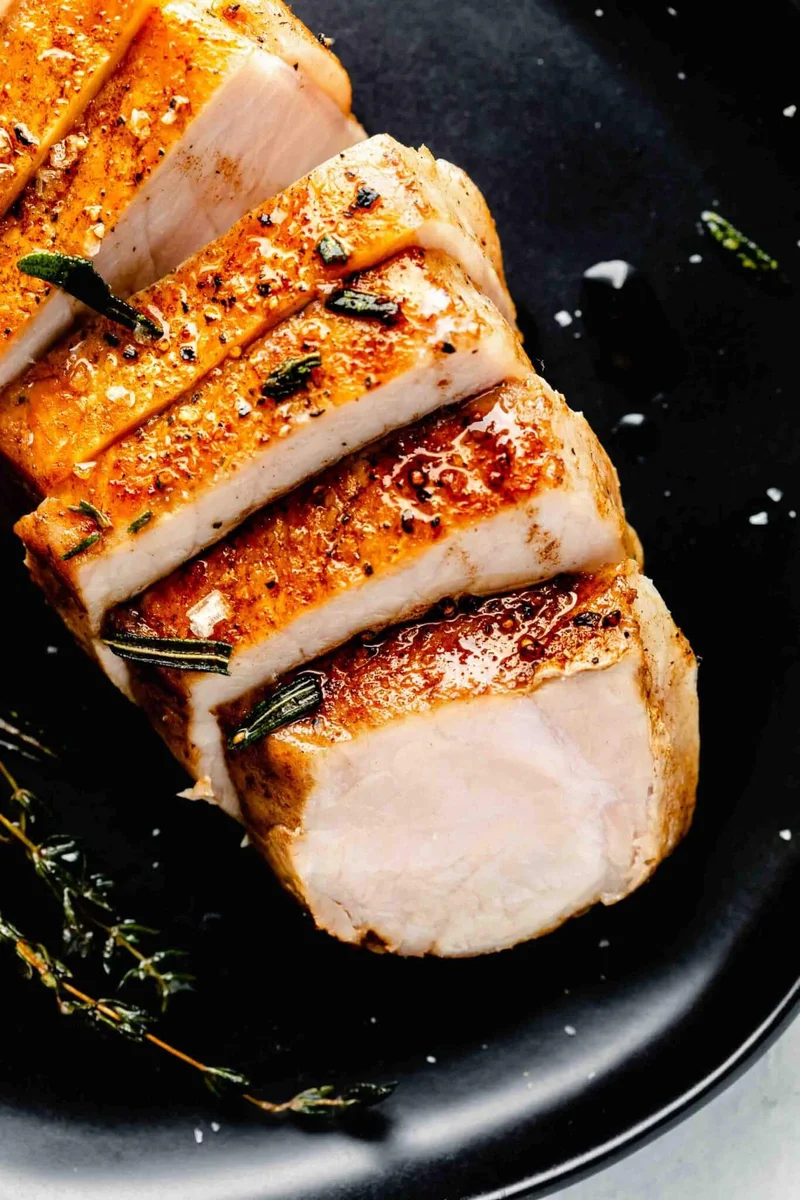
These sous vide pork chops are gently cooked in a water bath, then quickly seared for a golden finish. The method gives you control over doneness and works with bone-in or boneless chops, fresh or frozen.
Ingredients
- 2pork chops, bone-in or boneless, about 3.8 cm thick
- to tastesalt and pepper
- 15 mlvegetable oil or rapeseed oil
- 30 gbutter
- 3 clovesgarlic, smashed (optional)
- to tastefresh herbs such as rosemary or thyme (optional)
Instructions
- 1
Set the temperature
Set the sous vide circulator to 60°C (140°F).
- 2
Seal the chops
Put the pork chops in a vacuum-sealer bag and seal it. Alternatively, use the water displacement method.
- 3
Cook in the bath
Lower the bag into the water bath, keeping the circulator's intake and output clear. Cook for 1 to 4 hours.
- 4
Dry and season
Take the chops out of the bag and place them on a plate lined with kitchen paper. Pat them very dry, then season again with salt and pepper.
- 5
Heat the oil
Heat the oil in a large cast-iron frying pan over a high heat.
- 6
Sear one side
When the oil is sizzling hot, add the chops and sear for 30 seconds to 1 minute, until golden. Add the butter, garlic and herbs, if using.
- 7
Finish and rest
Turn the chops and cook for a further 30 seconds to 1 minute, spooning the butter mixture over them continuously. Remove from the pan and leave to rest for 5 minutes before serving.
What are sous vide pork chops?
Sous vide is a cooking method in which food is sealed in a bag and cooked in a temperature-controlled water bath. It is used for meat dishes in many cuisines, including American-style pork chops.
Here, the chops cook gently before a brief, hot sear. That contrast gives the meat a browned exterior while letting you choose a consistent level of doneness.
Nutrition and macros by portion
The nutrition label shows one serving as written: 368 calories, 29g protein, 1g carbs, 28g fat.
| Portion | Adjustment | kcal | Protein | Carbs | Fat |
|---|---|---|---|---|---|
| Lighter | Use less butter | 258 kcal | 20g | 1g | 20g |
| This serving | As written | 368 kcal | 29g | 1g | 28g |
| Hungry | Add a larger side | 552 kcal | 44g | 2g | 42g |
The pork provides most of the protein, while the oil and butter contribute most of the fat; the listed carbohydrate amount is very low. Add vegetables and a portion of potatoes or another grain to round out the plate.
Choosing the chops
Thickness: Chops about 3.8 cm thick suit the stated cooking time and searing method. Bone-in or boneless both work; keep the pieces in a single layer in the bag if possible.
Fresh or frozen: The recipe allows either. If using frozen chops, make sure they are separated and sealed in the bag before placing them in the bath.
Drying before the sear
Surface moisture: Pat the chops very dry after removing them from the bag. A dry surface helps them brown quickly in the hot pan rather than steaming.
Second seasoning: The recipe seasons the chops again after drying. Add salt and pepper to taste just before they go into the pan.
Getting a golden crust
Hot pan: Heat the oil over high heat and wait until it is sizzling before adding the chops. The sear is brief, so have the butter and optional aromatics ready.
Basting: Add the butter, garlic and herbs after the first side has browned, then spoon the foaming butter over the chops as the second side sears.
Timing and doneness
Water bath: Cook the chops for 1 to 4 hours at 60°C (140°F), as specified in the method. Keep the circulator's intake and output unobstructed so water can move around the bag.
Sear and rest: Each side gets 30 seconds to 1 minute in the pan, followed by a 5-minute rest. The recipe gives a total time of 65 minutes, though its listed bath time ranges from 1 to 4 hours.
What to serve alongside
Vegetables: Serve the chops with green beans, roasted carrots or a crisp salad for freshness and colour.
Something filling: Mashed potatoes, roast potatoes or cooked grains make a hearty accompaniment and pair well with the buttery pan juices.
Recipe notes & tips
- Use a bag that is rated for sous vide cooking and seal it securely.
- Arrange the bag so water can circulate freely around the chops.
- Keep the pan and aromatics ready before removing the chops from the water bath.
- Pat the chops thoroughly dry before they touch the hot pan.
- Spoon the butter over the chops continuously during the final sear.
Variations
- Use rapeseed oil: Swap it for the vegetable oil as suggested in the ingredient list.
- Add rosemary: Include a sprig with the butter for a fragrant finish.
- Add thyme: Use thyme in place of or alongside rosemary.
- Skip the garlic: Leave it out for a simpler buttery pan sauce.
- Choose bone-in chops: Use them in place of boneless chops, keeping the stated thickness in mind.
Common mistakes to avoid
- Blocking the circulator: Leave the intake and output clear so water can circulate around the bag.
- Wet chop surfaces: Pat the meat very dry before searing to help it brown.
- Pan not hot enough: Wait for the oil to sizzle before adding the chops.
- Searing too long: Keep each side to 30 seconds to 1 minute so the quick browning step stays brief.
- Skipping the rest: Leave the chops for 5 minutes after searing before serving.
How to store
Refrigerate leftovers in a covered container within 2 hours and use within 3 days. Reheat gently until hot throughout; a brief warm-through is preferable to prolonged high heat, which can dry the chops.
Frequently asked questions
Can I use frozen pork chops?
Yes. The recipe says the chops can be cooked from frozen or fresh; seal them in the bag before placing it in the bath.
Can I use bone-in chops?
Yes. The recipe allows bone-in or boneless chops, about 3.8 cm thick.
How long do the chops cook in the water bath?
The method gives a range of 1 to 4 hours at 60°C (140°F).
How do I seal the bag without a vacuum sealer?
Use the water displacement method as an alternative to vacuum sealing.
Why pat the chops dry before searing?
Drying the surface helps the chops brown in the pan. The recipe also calls for seasoning them again after patting dry.
Can I leave out the garlic and herbs?
Yes. Both are listed as optional, so you can omit either or both.
Cook it from the original
This recipe comes from platingsandpairings.com. Their page has the author’s own photos, notes and tips — the best place to cook it from.
Open the recipe on platingsandpairings.com