
Homemade Chicken Broth
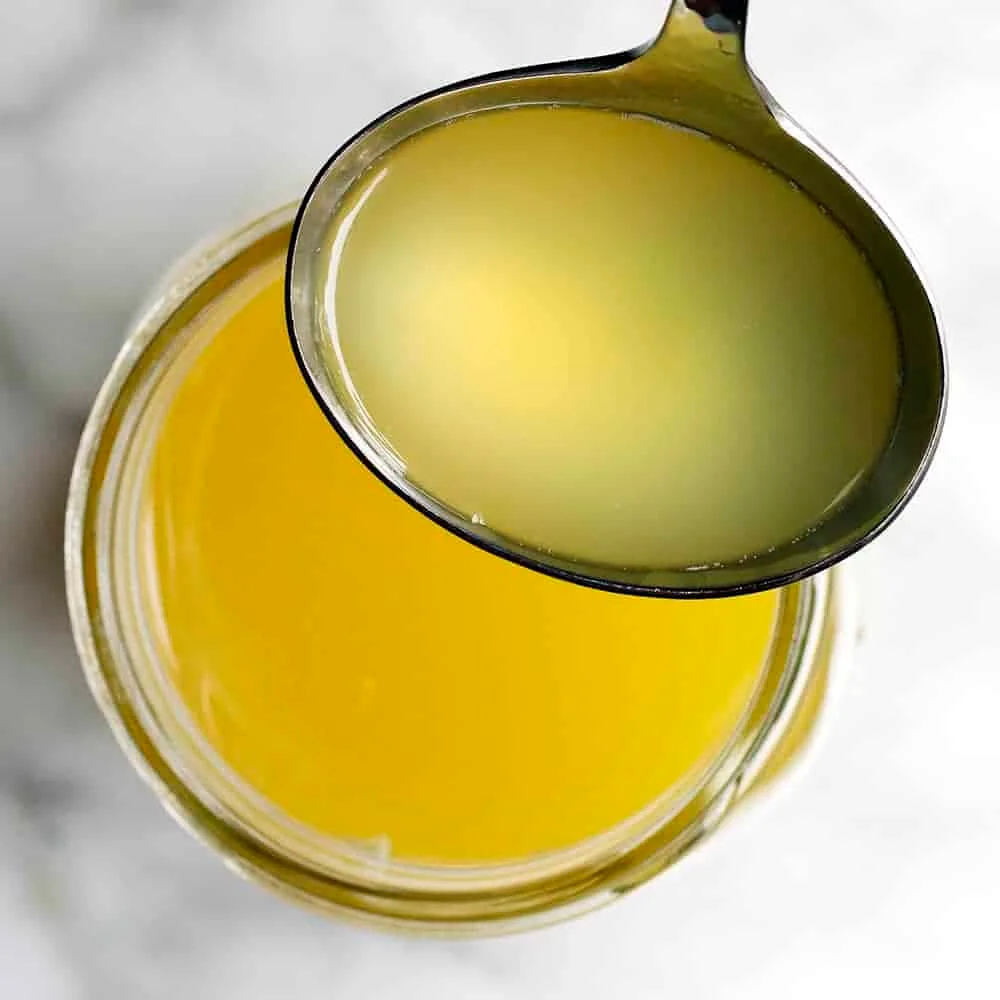
A gently cooked chicken broth made with chicken breasts, vegetables and parsley in a slow cooker. It is an easy hands-off way to make a savoury base for soups, sauces and other dishes.
Ingredients
- 1 largeonion, chopped
- 1 largecarrot, chopped
- 2 ribscelery, chopped
- 15 g (1 cup)fresh parsley, lightly packed
- 900 g to 1.13 kg (2 to 2½ lb)bone-in, skin-on chicken breast halves (2 large)
- 1 teaspoonfine sea salt
- 1 teaspoonwhole black peppercorns
- 2.4 litres (10 cups)water
Instructions
- 1
Load the slow cooker
Put the onion, carrot, celery and parsley into a 6-quart slow cooker. Arrange the chicken breast halves on top in a single layer, then sprinkle with the salt and peppercorns. Pour in the water.
- 2
Cook and strain
Cook on high for 5 hours. Take out the chicken and discard its skin and bones; reserve the meat for another use. Strain the solids from the broth, then use the broth or freeze it.
What is chicken broth?
Chicken broth is a savoury cooking liquid made by simmering chicken with vegetables and seasonings. It is a familiar staple in American home cooking, used as a base for soups, stews, gravies and sauces.
This slow-cooker version keeps the ingredient list simple and lets the chicken and vegetables flavour the water over several hours. The meat is removed after cooking, so the broth can be stored separately and the chicken saved for another meal.
Nutrition and macros by portion
The nutrition label shows one serving as written: 17 calories, 0g protein, 3g carbs, 0g fat.
| Portion | Adjustment | kcal | Protein | Carbs | Fat |
|---|---|---|---|---|---|
| Lighter | Use less chicken skin | 12 kcal | 0g | 2g | 0g |
| This serving | As written | 17 kcal | 0g | 3g | 0g |
| Hungry | Add reserved chicken | 26 kcal | 0g | 5g | 0g |
The recipe's per-serving nutrition information lists carbohydrates from the vegetables and broth, with no protein or fat recorded; the chicken is reserved separately rather than served in the broth. For a more complete plate, serve the broth alongside a meal that includes the reserved chicken and vegetables or another source of protein.
Why use bone-in chicken?
Bone-in breasts cook in the broth alongside the vegetables, adding savoury flavour as they gently heat. The skin is also included during cooking, then discarded with the bones before the broth is strained.
Choose pieces that fit in a single layer in the slow cooker so they sit beneath the water and cook evenly.
The vegetable and herb base
Onion, carrot and celery provide the classic aromatic foundation for this broth. Chopping them helps their flavour move into the cooking liquid.
Fresh parsley adds a herbal note. Lightly pack it into the measuring cup rather than compressing it tightly.
Seasoning the broth
Fine sea salt and whole peppercorns season the liquid while it cooks. Whole peppercorns are easy to strain out with the vegetables at the end.
If you plan to use the broth in a recipe that is already well seasoned, keep in mind that the salt has infused the liquid; taste it before adding more to a finished dish.
Slow-cooker timing and texture
Cook the broth on high for 5 hours, as directed. Keep the lid on during cooking to limit evaporation and maintain the slow cooker's heat.
The chicken should be cooked through and easy to remove from the bones. Straining removes the vegetables and peppercorns, leaving a clearer broth.
How to use the broth
Use the strained broth as the liquid for soup, or add it to a sauce, gravy or braise. It can also be served warm on its own, with additional seasoning to taste.
The reserved chicken is useful in sandwiches, salads or a separate soup. Keep it apart from the broth if you want to store or freeze them for different uses.
Recipe notes & tips
- Cut the onion, carrot and celery into pieces of similar size so they are easy to strain out.
- Keep the chicken in a single layer for more even cooking.
- Use a fine-mesh sieve to catch peppercorns and small vegetable pieces.
- Taste the strained broth before using it, especially if the next recipe includes salty ingredients.
- Label frozen portions with the date and amount so they are easy to use later.
Variations
- Add garlic: Include a few peeled cloves with the vegetables for a deeper savoury flavour.
- Use bay leaf: Add one or two leaves before cooking and remove them when straining.
- Add thyme: Include a few sprigs for a gently herbal note.
- Make it less salty: Reduce the sea salt and adjust the seasoning when you use the broth.
- Use chicken thighs: Swap in bone-in thighs of a similar total weight and check that they are cooked through before removing them.
Common mistakes to avoid
- Overfilling the cooker: Leave space below the rim and follow the appliance's fill guidance.
- Crowding the chicken: Arrange the halves in one layer so they cook more evenly.
- Lifting the lid repeatedly: Keep it closed during the 5-hour cooking time to avoid losing heat.
- Skipping the straining: Strain carefully to remove peppercorns, bones and vegetable pieces.
- Discarding the chicken: Remove the skin and bones, then save the meat for another meal.
How to store
Cool the broth promptly, then refrigerate it in a covered container and use within 3 to 4 days. For longer storage, freeze it in suitable portions; thaw in the fridge and reheat until steaming hot.
Frequently asked questions
Can I cook this on low instead?
The method specifies 5 hours on high and does not give a low-setting time. If using low, follow your slow cooker's guidance and check that the chicken is fully cooked before removing it.
Do I leave the chicken skin on while it cooks?
Yes. The chicken goes into the slow cooker skin-on, and the skin is discarded along with the bones after cooking.
What should I do with the chicken?
Reserve the cooked meat for another use, such as sandwiches, salads or soup. Remove and discard the skin and bones first.
Can I freeze the broth?
Yes. Strain it first, cool it promptly and freeze in portions in suitable containers, leaving room for expansion.
Can I use the broth straight away?
Yes. After straining, use it in a recipe or serve it warm. Taste before adding more salt, since it has already been seasoned.
Cook it from the original
This recipe comes from pinchandswirl.com. Their page has the author’s own photos, notes and tips — the best place to cook it from.
Open the recipe on pinchandswirl.com