
Meaty Lasagna recipe with Chorizo
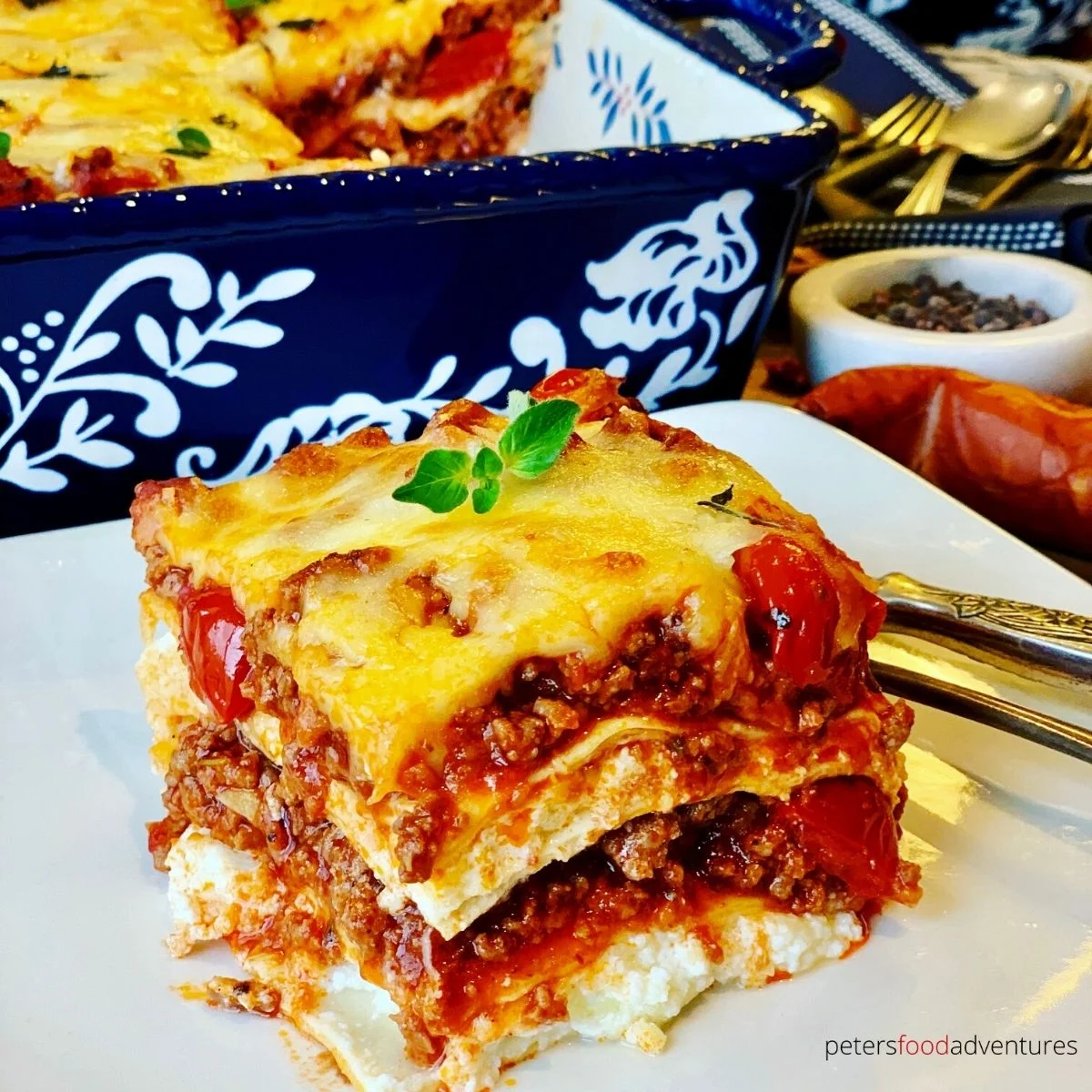
This hearty lasagna layers chorizo and beef in a tomato sauce with ricotta, Parmesan and mozzarella. It is a generous, oven-baked centrepiece for a family meal or a gathering.
Ingredients
- 375 g (12 oz)fresh lasagna sheets
- 225 g (2 cups)grated mozzarella
- 450 g (1 lb; about 5 individual chorizos)chorizo sausages
- 1 kg (2 lb)lean beef mince
- 4 clovesgarlic, minced
- 2chilli peppers, thinly sliced (optional)
- 120 ml (½ cup), packedfresh oregano leaves
- 2 cans, 400 g (14 oz) eachcherry tomatoes, or diced tomatoes
- 700 g (25 oz)passata
- 1 tablespoonsugar
- 1 tablespoonsalt and pepper, adjusted to taste
- 1 kg (2 lb)ricotta cheese
- 200 g (2 cups)grated Parmesan cheese
Instructions
- 1
Prepare chorizo
Remove the casings from the chorizo and cut the sausages into small pieces.
- 2
Brown the meat
Put the chorizo and beef mince in a large, heavy-based saucepan over medium heat. Cook for 10 minutes, until the beef is thoroughly cooked through. Don't add oil; the chorizo will release its own. Drain off any excess oil.
- 3
Add aromatics
Stir in the garlic, sliced chilli peppers and oregano leaves, then cook for 2–3 minutes. Set aside some oregano to garnish the lasagna.
- 4
Simmer sauce
Add the cherry tomatoes, passata, sugar, salt and pepper. Lower the heat and simmer for 10 minutes, or until the liquid has started to reduce.
- 5
Heat the oven
Preheat the oven to 180°C (350°F).
- 6
Mix the cheeses
Combine the ricotta and Parmesan in a bowl.
- 7
Build the base
Use a 33 × 23 cm (13 × 9 inch) baking dish. Spread 1 cup of meat sauce over the base, then cover it with a layer of fresh lasagna sheets.
- 8
Layer ricotta
Spread half of the ricotta mixture evenly over the pasta, then add another layer of lasagna sheets.
- 9
Repeat layers
Spoon over half of the remaining meat mixture and cover with another layer of pasta. Repeat with another layer of ricotta and pasta, then finish with the remaining meat mixture.
- 10
Bake and rest
Scatter the mozzarella over the top and bake for 25 minutes. Garnish with the reserved oregano and leave the lasagna to rest for 10 minutes before serving.
What is meaty lasagna?
Lasagna is an Italian baked pasta dish built from layers of pasta, sauce and cheese. This version pairs beef with chorizo for a richly flavoured tomato sauce, then balances it with creamy ricotta and a mozzarella topping.
Fresh oregano brings a fragrant note to the sauce and the final garnish. The layers make it a substantial dish that can be served straight from the baking dish.
Nutrition and macros by portion
The nutrition label shows one serving as written: 1210 calories, 76g protein, 65g carbs, 70g fat.
| Portion | Adjustment | kcal | Protein | Carbs | Fat |
|---|---|---|---|---|---|
| Lighter | Less chorizo, more vegetables | 847 kcal | 53g | 46g | 49g |
| This serving | As written | 1210 kcal | 76g | 65g | 70g |
| Hungry | Larger lasagna portion | 1815 kcal | 114g | 98g | 105g |
The pasta sheets, tomatoes and passata provide most of the carbohydrates, while the beef and chorizo contribute protein and fat. Ricotta, mozzarella and Parmesan add more protein and fat, and the cured sausage and added salt make sodium worth bearing in mind. Serve a moderate slice with plenty of salad or vegetables to balance the plate.
The chorizo and beef sauce
Chorizo first: Removing its casing and dicing the sausage helps it cook evenly alongside the beef. Start the meat in a dry pan, as the chorizo releases fat as it cooks.
Tomatoes next: Cherry tomatoes and passata make up the sauce, while a short simmer lets some of the liquid reduce. Keep the heat low once the tomatoes go in to avoid a fierce boil.
Making the ricotta layer
Cheese mixture: Mixing ricotta and Parmesan before layering makes it easier to spread the filling evenly over the pasta. Use a spoon to nudge it into place rather than pressing hard on the sheets.
Layer balance: Follow the recipe's order and spread the filling and sauce across the dish. This helps each portion hold a mix of pasta, meat and cheese.
Layering in the dish
Sauce base: Begin with the specified cup of meat sauce on the bottom of the 33 × 23 cm dish. It gives the first pasta layer a bed of sauce.
Even coverage: Keep the pasta, ricotta and meat layers as level as you can. Distribute the final meat layer before adding the mozzarella so the top browns more evenly.
How to tell when it is ready
Baking: The recipe calls for 25 minutes at 180°C. Look for a hot, bubbling lasagna and a melted mozzarella topping; check that the centre is heated through before serving.
Resting: Leave the lasagna for 10 minutes after baking. This gives the layers a little time to settle, making it easier to cut and serve.
Timing and preparation
The stated total time is 70 minutes, including the 10-minute sauce simmer, 25-minute bake and 10-minute rest. Prepare the cheese mixture while the sauce simmers to keep the assembly moving.
Fresh pasta sheets are specified here, so follow any packet guidance if the sheets you have require different handling. Keep the oregano garnish separate before adding the rest to the sauce.
What to serve with lasagna
A crisp green salad or simply dressed leafy vegetables make a fresh contrast to the rich layers. Steamed or roasted vegetables are another straightforward option.
If serving bread, choose a modest amount: the pasta already makes this a filling meal. Finish each portion with some of the reserved fresh oregano.
Recipe notes & tips
- Drain excess fat from the cooked meat before adding the tomatoes.
- Reserve some oregano before stirring the rest into the sauce.
- Spread the ricotta mixture gently so the pasta sheets stay in place.
- Use a dish close to the specified 33 × 23 cm size to keep the layers at a similar depth.
- Let the lasagna rest for 10 minutes before cutting.
- Taste the sauce before layering and adjust the salt and pepper to suit.
Variations
- More heat: Leave the chilli seeds in for a hotter sauce.
- Milder sauce: Omit the chilli peppers.
- Diced tomatoes: Use canned diced tomatoes in place of the cherry tomatoes.
- Herb change: Use a little fresh basil alongside the oregano.
- Vegetable layer: Add cooked, well-drained spinach between the pasta layers.
Common mistakes to avoid
- Adding oil at the start: Chorizo releases fat as it cooks, so brown the meat in a dry pan.
- Skipping the drain: Excess meat fat can make the sauce greasy; drain it before adding the aromatics.
- Boiling the sauce hard: A gentle simmer helps reduce the liquid without splashing or scorching.
- Uneven layers: Spread the sauce and cheese mixture across the pasta rather than piling them in the middle.
- Cutting straight away: Rest the lasagna for 10 minutes so the layers settle before serving.
How to store
Cool leftovers promptly, cover and refrigerate for up to 3 days. Reheat portions until steaming hot throughout; add a splash of water and cover while reheating if the pasta seems dry.
Frequently asked questions
Can I use dried lasagna sheets?
The recipe specifies fresh sheets. If using dried sheets, check the packet instructions, as some need pre-cooking or extra moisture.
Do I need to cook the lasagna sheets first?
The method uses fresh sheets without a separate cooking step. Follow the instructions on your pasta packet if it recommends otherwise.
Can I make the sauce ahead?
Yes. Cook the meat sauce, cool it and refrigerate it in a covered container, then assemble and bake when ready.
How do I know the centre is hot?
After the 25-minute bake, check that the centre is hot and the top is melted and bubbling. If it needs longer, return it to the oven and check again.
Can I freeze leftover lasagna?
Yes. Cool it, wrap portions well and freeze. Defrost in the refrigerator before reheating until steaming hot throughout.
Why should the lasagna rest before serving?
A 10-minute rest helps the layers settle, so portions are easier to lift from the dish.
Cook it from the original
This recipe comes from petersfoodadventures.com. Their page has the author’s own photos, notes and tips — the best place to cook it from.
Open the recipe on petersfoodadventures.com