
Stovetop Macaroni and Cheese
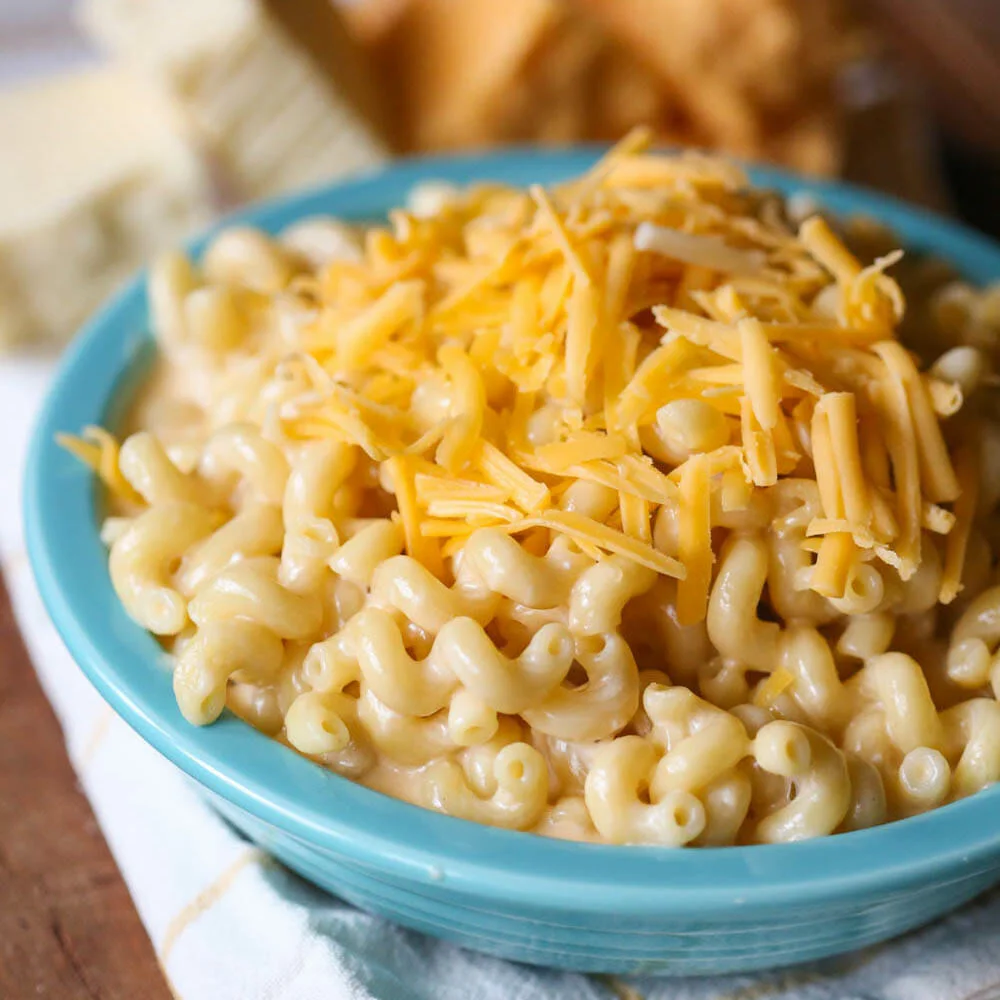
This American-style stovetop macaroni and cheese combines tender pasta with a smooth sauce made from cheddar, fontina, Parmesan and cream cheese. It is a quick, comforting dinner that needs only one pan for the sauce.
Ingredients
- 340 g (12 oz)bite-sized pasta, such as cavatappi or elbow macaroni
- 170 g (6 oz)medium or sharp cheddar, freshly grated
- 57 g (2 oz)fontina cheese, freshly grated
- 28 g (1 oz)Parmesan cheese, freshly grated (optional)
- 2.5 ml (½ teaspoon)grated onion
- to tastesalt and pepper
- up to 240 ml (1 cup)reserved pasta water
- 113 g (4 oz)cream cheese
- 28 g (2 tablespoons)butter
Instructions
- 1
Cook the pasta
Bring a large pot of salted water to the boil. Add the pasta and cook until al dente. Near the end of cooking, carefully scoop out 240 ml (1 cup) of pasta water into a heatproof bowl, mug or measuring jug and set it aside.
- 2
Melt the butter
Drain the pasta and return the pan to the hob over a low heat. Melt the butter, add the grated onion and cook for 30 seconds to 1 minute. Add the pasta and stir to coat it in the butter.
- 3
Make the sauce
Add the cheddar, fontina, Parmesan if using, and cream cheese. Stir until melted, then add the reserved pasta water a little at a time until the sauce reaches your preferred consistency; you may not need it all. Season with salt and pepper and serve straight away, with extra grated cheese on top if desired.
What is stovetop macaroni and cheese?
Macaroni and cheese is an American comfort-food classic: pasta coated in a rich cheese sauce. This version is made entirely on the hob, so there is no baking step and it can be ready in about 30 minutes.
Cheddar brings the familiar savoury flavour, while fontina and cream cheese help make the sauce smooth and creamy. Parmesan is optional, but adds a sharper, more savoury edge.
Nutrition and macros by portion
The nutrition label shows one serving as written: 481 calories, 19g protein, 44g carbs, 25g fat.
| Portion | Adjustment | kcal | Protein | Carbs | Fat |
|---|---|---|---|---|---|
| Lighter | Smaller pasta portion | 337 kcal | 13g | 31g | 18g |
| This serving | As written | 481 kcal | 19g | 44g | 25g |
| Hungry | Larger pasta portion | 722 kcal | 29g | 66g | 38g |
The pasta supplies most of the carbohydrates, while the butter, cream cheese and cheeses contribute much of the fat and energy. Cheese also provides much of the protein. For a more balanced plate, serve a portion with a large green salad or another serving of vegetables.
Choosing the cheese
Freshly grated cheese: Grating cheddar and fontina yourself helps them melt into the sauce. Choose medium or sharp cheddar according to how pronounced you want its flavour.
Cream cheese: This soft cheese contributes to the sauce’s creamy texture. Parmesan is optional, so you can leave it out if you prefer a milder result.
Save some pasta water
Starchy water: Scoop out the pasta water just before draining, when the pasta is nearly cooked. Keep it in a heatproof container so it is ready to use.
Add gradually: The recipe calls for up to 240 ml, but you may not need the full amount. Stir in a little at a time until the sauce coats the pasta without becoming runny.
Getting the sauce smooth
Low heat: Melt the butter and cook the onion gently, then keep the pan on low as you add the cheese. A gentle heat gives the cheeses time to melt into the pasta.
Steady stirring: Stir as the cheeses melt and as you add the pasta water. Stop when the sauce is glossy and clings to the pasta.
Pasta texture and timing
Al dente: Cook the pasta until tender but still with a slight bite. It will be mixed with the warm sauce afterwards, so avoid cooking it until soft.
Serve promptly: The sauce is at its creamiest just after it comes together. Have bowls and any toppings ready before you finish seasoning.
What to serve alongside
Green salad: A generous green salad makes a fresh contrast to the rich, cheesy pasta and works well when serving it as a main course.
Quick side: Serve it alongside rotisserie chicken for an easy weeknight meal, or offer it as a side dish with another main.
Recipe notes & tips
- Grate the cheeses before you drain the pasta so they are ready to add.
- Use a heatproof jug or mug for the reserved pasta water.
- Keep the hob on low while melting the cheeses.
- Add pasta water in small splashes and check the sauce texture as you stir.
- Taste before serving, as the cheeses and salted cooking water both add salt.
Variations
- Extra sharpness: Use sharp cheddar for a more pronounced cheese flavour.
- Skip the Parmesan: Leave it out for a milder sauce.
- Different pasta: Use elbow macaroni instead of cavatappi.
- Cheese topping: Finish with a little extra freshly grated cheese at the table.
- Complete the meal: Serve with rotisserie chicken and a green salad.
Common mistakes to avoid
- Overcooking the pasta: Cook it al dente so it keeps some bite when coated in sauce.
- Forgetting the pasta water: Reserve it before draining; once poured away, it cannot be used to loosen the sauce.
- Adding all the water at once: Stir it in gradually so the sauce does not become too thin.
- Using high heat: Keep the pan low while the cheese melts to help the sauce stay smooth.
- Waiting too long to serve: Dish up as soon as the sauce is ready, while it is creamy.
How to store
Refrigerate leftovers in a covered container for up to 3 days. Reheat gently in a pan or microwave, stirring in a small splash of water or milk if the sauce has thickened.
Frequently asked questions
Can I use elbow macaroni?
Yes. Elbow macaroni works in place of cavatappi; cook it in salted water until al dente.
Do I need all the reserved pasta water?
No. Add it a little at a time until the sauce reaches the consistency you like. You may have some left over.
Can I leave out the Parmesan?
Yes. The Parmesan is optional, and the macaroni and cheese will still have cheddar, fontina and cream cheese.
Why is my sauce too thick?
Stir in reserved pasta water a little at a time until the sauce loosens and coats the pasta.
Can I make it ahead?
It is best served as soon as the sauce is made. If reheating leftovers, warm them gently and add a small splash of water or milk to loosen the sauce.
Cook it from the original
This recipe comes from ourbestbites.com. Their page has the author’s own photos, notes and tips — the best place to cook it from.
Open the recipe on ourbestbites.com