
Polvoron Recipe
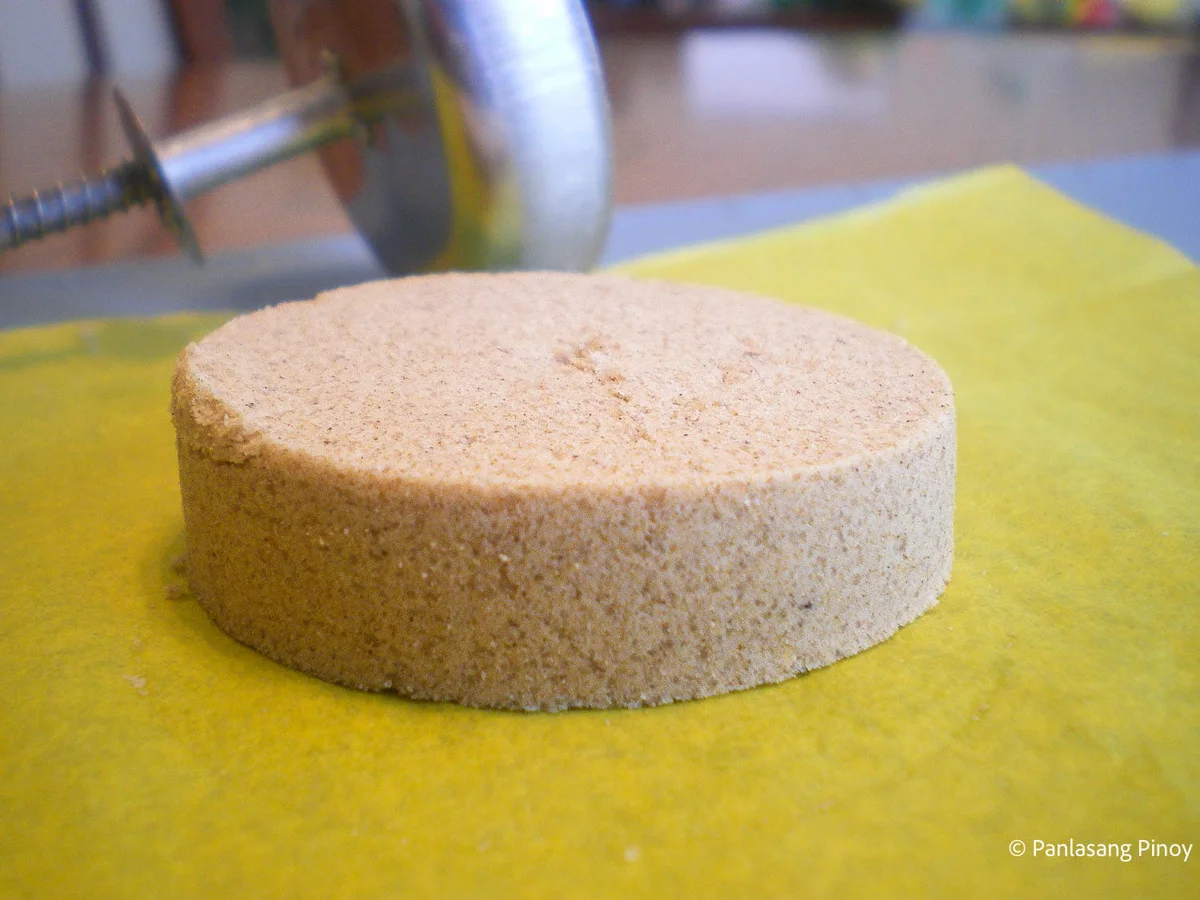
Filipino polvoron is a sweet, crumbly shortbread made with toasted flour, powdered milk, sugar and butter. Crushed pinipig adds a light crunch, and a mould gives the mixture its characteristic compact shape.
Ingredients
- 500 g (4 cups)all-purpose flour
- 240 g (2 cups)powdered milk
- 45 g (¾ cup)crushed pinipig
- 255 g (1⅛ cups)softened butter
- 300 g (1½ cups)granulated sugar
Instructions
- 1
Toast the flour
Heat a frying pan or wok, add the flour and toast it, stirring continuously, until fragrant and light brown. Keep it moving so it does not burn.
- 2
Cool the flour
Leave the toasted flour to cool for about 20 minutes, then transfer it to a mixing bowl.
- 3
Add the milk
Add the powdered milk and stir it into the flour with a balloon whisk.
- 4
Stir in sugar
Add the granulated sugar and stir again.
- 5
Mix in pinipig
Add the crushed pinipig and stir until it is evenly distributed through the mixture.
- 6
Add the butter
Pour in the softened butter and mix thoroughly, using clean hands if helpful. Leave the mixture to stand for at least 10 minutes so the butter can cool and the mixture can hold together better.
- 7
Shape and wrap
Use a polvoron mould to scoop and press the mixture, then place each piece on a pre-cut sheet of Japanese paper or cellophane and wrap it.
- 8
Serve the polvoron
Serve and enjoy.
What is polvoron?
Polvoron is a Filipino sweet with a delicate, crumbly texture, made by combining toasted flour with powdered milk, sugar and fat. Its name is associated with a powdery, crumbly quality, and it is commonly shaped into small moulded pieces.
This version includes crushed pinipig, or flattened and toasted young rice, for a gentle crunch. Toasting the flour first gives it a warm, nutty aroma and helps define the flavour.
Nutrition and macros by portion
The nutrition label shows one serving as written: 769 calories, 15g protein, 100g carbs, 35g fat.
| Portion | Adjustment | kcal | Protein | Carbs | Fat |
|---|---|---|---|---|---|
| Lighter | Smaller moulded pieces | 538 kcal | 11g | 70g | 25g |
| This serving | As written | 769 kcal | 15g | 100g | 35g |
| Hungry | Larger portion | 1154 kcal | 23g | 150g | 53g |
The flour and sugar provide most of the carbohydrates, while butter contributes much of the fat; powdered milk adds protein as well as some carbohydrate. Enjoy a piece alongside fruit or another fresh accompaniment for a more varied plate.
Toasting the flour
Steady heat: stir the flour continuously in the pan or wok so it colours evenly and does not scorch. Look for a light brown shade and a toasted aroma rather than waiting for it to darken substantially.
Full cooling: the recipe calls for about 20 minutes of cooling before mixing. Warm flour can soften the butter too quickly, making the mixture harder to mould.
Building the mixture
Dry ingredients: whisk the powdered milk into the cooled flour, then stir in the sugar and pinipig. Distribute each addition evenly so the finished pieces have a consistent taste and texture.
Softened butter: mix it in thoroughly, by hand if needed, until the dry mixture holds together when pressed. Letting it stand for at least 10 minutes gives the butter time to cool and the mixture time to firm up.
Shaping and texture
Moulding: scoop the mixture with a polvoron mould and press it firmly enough to hold its shape. If it crumbles as you release it, press it more firmly in the mould before wrapping.
Wrapping: set each piece on pre-cut Japanese paper or cellophane and wrap it once shaped. Handle the polvoron gently, as its fine, crumbly texture can break if squeezed or dropped.
Timing the recipe
Cooling time: the method includes about 20 minutes to cool the toasted flour, followed by at least 10 minutes for the butter mixture to stand. Allow for these rests when planning, even though the stated total time is 17 minutes.
Make-ahead work: the flour can be toasted and cooled before you begin combining the ingredients. Keep it covered while it waits so it stays clean and dry.
Serving ideas
A small sweet: serve the moulded pieces as a snack or after a meal, with tea or coffee if you like. Their sweet, milky flavour also pairs well with unsweetened drinks.
For a balanced plate: pair a serving with fruit or another fresh, less-sweet option. The polvoron itself is rich and crumbly, so a contrasting accompaniment can make it feel less heavy.
Recipe notes & tips
- Stir the flour without stopping as it toasts to prevent dark patches and scorching.
- Let the flour cool fully before adding the powdered milk and other ingredients.
- Break up any lumps in the powdered milk before mixing it through the flour.
- Press the mixture firmly into the mould so the pieces hold together when released.
- Use clean, dry hands if you choose to mix in the butter by hand.
- Wrap the pieces gently after shaping to protect their crumbly edges.
Variations
- More pinipig: increase the crushed rice for extra crunch, keeping in mind it changes the mixture's balance.
- Vanilla: stir a little vanilla into the softened butter for a fragrant note.
- Cocoa: replace a small amount of flour with cocoa powder for a chocolate variation.
- Citrus: add finely grated lemon or orange zest for a brighter aroma.
- Different moulds: shape the mixture in another small sweet mould if you do not have a polvoron mould.
Common mistakes to avoid
- Burnt flour: keep stirring over steady heat and take it off as soon as it is light brown and fragrant.
- Mixing while warm: cool the toasted flour for about 20 minutes before adding the other ingredients.
- Uneven distribution: stir thoroughly after each addition so the sugar and pinipig are spread throughout.
- Crumbly shapes: press the mixture firmly into the mould and allow the butter mixture its 10-minute rest.
- Overhandling: shape and wrap gently so the delicate pieces do not break apart.
How to store
Store the wrapped polvoron in an airtight container in a cool, dry place; it is best enjoyed while it remains dry and crumbly. There is no reheating step for this sweet.
Frequently asked questions
What is pinipig?
Pinipig is flattened young rice, often toasted until crisp. In this recipe it is crushed before being stirred into the mixture.
Can I make polvoron without a mould?
A polvoron mould helps compact the mixture into its usual shape. If you do not have one, press the mixture into a small clean mould or shape small portions by hand.
Why does the flour need to cool?
The method calls for about 20 minutes of cooling before mixing. This helps prevent the warm flour from softening the butter too quickly.
How do I stop the pieces falling apart?
Mix in the butter thoroughly, leave the mixture to stand for at least 10 minutes, and press it firmly into the mould. Handle the pieces gently after releasing them.
Can I prepare polvoron ahead?
Yes. You can toast and cool the flour in advance, then combine and shape the mixture when ready. Keep the cooled flour covered while it waits.
Does polvoron need to be reheated?
No. It is served as a crumbly, room-temperature sweet, so it does not need reheating.
Cook it from the original
This recipe comes from panlasangpinoy.com. Their page has the author’s own photos, notes and tips — the best place to cook it from.
Open the recipe on panlasangpinoy.com