
Ragi Idli-Finger Millet Idli Recipe
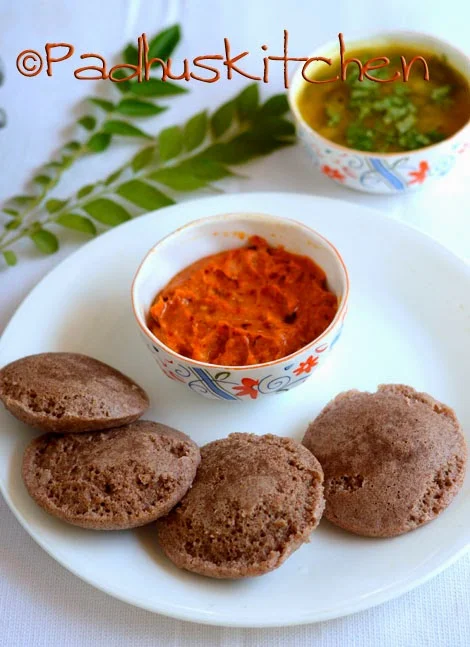
Ragi idli are soft, steamed South Indian cakes made with rice, urad dal and finger millet flour. They take time to soak and ferment, but the hands-on preparation is simple and they pair well with sambar or chutney.
Ingredients
- 200 g (1 cup)idli rice (idli pulungal arisi)
- 240 g (2 cups)ragi flour (finger millet flour)
- 200 g (1 cup)whole urad dal, skinless
- 2.5 ml (½ tsp)fenugreek seeds (vendhayam)
- as neededsalt
Instructions
- 1
Soak the grains
Wash the urad dal and fenugreek seeds, then soak them together for 4 hours. Wash the rice and soak it separately for 4–5 hours.
- 2
Grind the dal
Grind the urad dal and fenugreek seeds, adding water a little at a time, until the mixture is smooth and fluffy. Transfer it to a bowl.
- 3
Grind the rice
Grind the rice, adding water as needed, until it forms a slightly coarse batter.
- 4
Combine the batter
Add the urad dal batter, ragi flour and salt to the rice batter. Grind until everything is well mixed.
- 5
Check consistency
The batter should have the consistency of idli batter, neither too thick nor too thin.
- 6
Mix by hand
Remove the batter from the wet grinder and mix it well with your hands.
- 7
Ferment overnight
Leave the batter to ferment overnight or for 7–8 hours. Use a large bowl so there is room for it to double without overflowing.
- 8
Prepare the steamer
Heat water in an idli vessel or steamer. Stir the fermented batter, grease the idli moulds and fill each with a ladleful of batter. Place the moulds in the steamer or idli cooker.
- 9
Steam the idlis
Steam for 10–15 minutes, or until a toothpick inserted into the centre of an idli comes out clean.
- 10
Remove and serve
Leave the idlis in the moulds for 2–3 minutes, then loosen them with a spoon dipped in water. Serve hot with sambar or chutney.
What are ragi idlis?
Idli are steamed cakes from South India, traditionally made from a fermented rice and urad dal batter. This version adds ragi, also called finger millet, as flour rather than soaking and grinding the whole grain.
The rice and urad dal provide the familiar idli base, while ragi gives the cakes a deeper, earthy flavour. Fermentation and careful steaming help keep them tender.
Nutrition and macros by portion
The nutrition label shows one serving as written: 550 calories, 20g protein, 114g carbs, 3g fat.
| Portion | Adjustment | kcal | Protein | Carbs | Fat |
|---|---|---|---|---|---|
| Lighter | Serve fewer idlis | 385 kcal | 14g | 80g | 2g |
| This serving | As written | 550 kcal | 20g | 114g | 3g |
| Hungry | Add another idli | 825 kcal | 30g | 171g | 5g |
Most of the carbohydrates come from the rice and ragi flour, while the urad dal contributes much of the protein. The ingredients are naturally low in fat; the amount of salt used will affect sodium. Serve the idlis with sambar and vegetables for a more balanced plate.
Choosing and soaking the ingredients
Idli rice: its short-grain texture suits a steamed batter. Soak it separately from the dal so each can be ground to the texture the recipe needs.
Urad dal and fenugreek: the dal is ground until fluffy, and the fenugreek soaks alongside it. Ragi flour is added later, so it does not need a separate soaking stage.
Getting the batter right
Rice texture: grind it to a slightly coarse batter rather than making it completely smooth. Add water gradually so it does not become too loose.
Final consistency: once the ragi flour and dal batter are combined, aim for the thickness of ordinary idli batter. Mix well by hand before fermentation, as directed.
Fermentation and timing
The batter needs 7–8 hours or an overnight rest to ferment, in addition to the separate soaking times. A large vessel is important because the batter can double in volume.
Fermentation may take longer in a cool kitchen. Use the stated rise as a guide, and leave enough space at the top of the vessel to prevent overflow.
Steaming to the right texture
Grease the moulds before filling them so the cooked idlis are easier to release. Keep the steamer water hot and steam for 10–15 minutes.
Doneness cue: insert a toothpick into the centre of an idli; it should come out clean. Rest the idlis in their moulds for 2–3 minutes, then use a water-dipped spoon to loosen them.
What to serve alongside
Sambar is a classic accompaniment and makes the meal more substantial. Coconut chutney or another chutney of your choice also suits the mild, earthy flavour of the idlis.
Serve them hot, soon after steaming, when their texture is at its softest.
Recipe notes & tips
- Soak the rice separately from the urad dal and fenugreek seeds.
- Add water a little at a time while grinding to control the batter consistency.
- Use a large vessel for fermentation, leaving plenty of room for the batter to rise.
- Grease the idli moulds before adding the batter.
- Dip the spoon in water before loosening the steamed idlis.
Variations
- Serve with sambar: spoon hot sambar over the idlis or serve it alongside.
- Try coconut chutney: pair the idlis with your preferred chutney.
- Adjust the salt: season the batter to suit your taste before fermentation.
- Make smaller idlis: use less batter in each mould and check for doneness during steaming.
Common mistakes to avoid
- Crowded fermentation vessel: the batter may overflow as it doubles, so use a large bowl.
- Too much water: the batter can become too thin, so add water gradually while grinding.
- Over-smooth rice batter: keep it slightly coarse as specified for this recipe.
- Skipping the mould grease: grease the moulds to make the cooked idlis easier to release.
- Removing too soon: wait 2–3 minutes after steaming before loosening the idlis.
How to store
Refrigerate leftover cooked idlis in an airtight container and use within 2–3 days. Reheat by steaming until hot, or warm them in a microwave with a little water to help prevent drying.
Frequently asked questions
Can I make the batter without a wet grinder?
The method uses a wet grinder, but a blender can be used to grind the soaked ingredients in batches. Add water gradually and aim for the same smooth, fluffy dal batter and slightly coarse rice batter.
How long should the batter ferment?
Leave it overnight or for 7–8 hours, in a large vessel to allow it to double. Fermentation time can vary with room temperature.
How do I know the idlis are cooked?
Steam them for 10–15 minutes and check the centre with a toothpick. They are ready when it comes out clean.
Why are my idlis difficult to remove from the moulds?
Grease the moulds before filling them, then rest the idlis for 2–3 minutes after steaming. A spoon dipped in water can help loosen them.
Can I serve ragi idli with something other than sambar?
Yes. The recipe suggests chutney of your choice as another accompaniment.
Cook it from the original
This recipe comes from padhuskitchen.com. Their page has the author’s own photos, notes and tips — the best place to cook it from.
Open the recipe on padhuskitchen.com