
Octopus sa Kamatis
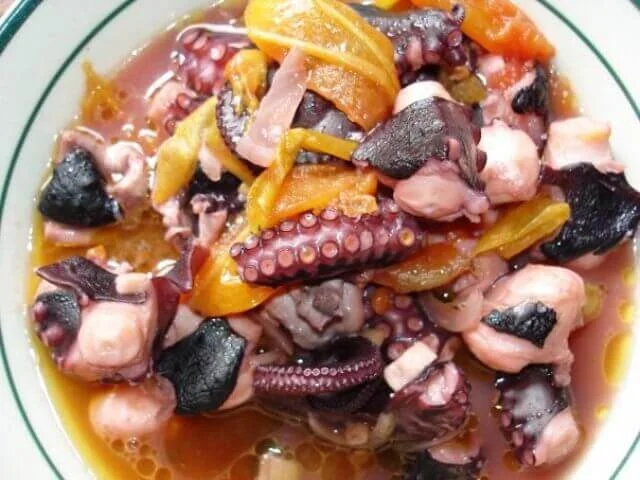
Octopus sa Kamatis is octopus quickly simmered with tomatoes, onion and garlic until the vegetables make a savoury, lightly saucy base. It is a straightforward Filipino-style dish for a fast meal, with care needed not to overcook the octopus.
Ingredients
- 454 g (1 lb)cleaned octopus, sliced
- 30 ml (2 tablespoons)cooking oil
- 2 mediumtomatoes, chopped
- 1 largeonion, diced
- 2 clovesgarlic, minced
Instructions
- 1
Heat the oil
Heat a pan and pour in the cooking oil.
- 2
Soften the vegetables
Once the oil is hot, sauté the garlic, onion and tomatoes.
- 3
Cook the octopus
Add the octopus and cook until its natural juices come out. Octopus is already salty, so do not add salt.
- 4
Simmer briefly
When the juices begin to boil, simmer for 1 minute; take care not to overcook the octopus.
- 5
Serve the dish
Transfer to a serving bowl and serve.
What is Octopus sa Kamatis?
The name means octopus with tomatoes, and the dish brings together seafood and a simple tomato, onion and garlic base. It fits the home-style Filipino approach of cooking a main ingredient with familiar, readily available aromatics.
This version keeps the cooking time short and lets the octopus release its own juices. The result is a quick, savoury dish rather than a long-braised preparation.
Nutrition and macros by portion
The nutrition label shows one serving as written: 236 calories, 23g protein, 7g carbs, 11g fat.
| Portion | Adjustment | kcal | Protein | Carbs | Fat |
|---|---|---|---|---|---|
| Lighter | Use less cooking oil | 165 kcal | 16g | 5g | 8g |
| This serving | As written | 236 kcal | 23g | 7g | 11g |
| Hungry | Add a rice side | 354 kcal | 35g | 11g | 17g |
The octopus supplies most of the protein, while the cooking oil contributes most of the fat and energy. Tomatoes, onion and garlic provide the small amount of carbohydrate; serve with vegetables and a measured portion of rice if you want a more substantial plate.
The ingredients that build the sauce
Tomatoes: as they soften, they contribute moisture and a gentle acidity. Chopping them helps them cook down quickly.
Onion and garlic: sautéing these first gives the pan a fragrant base before the octopus goes in.
Octopus: use it cleaned and sliced as specified so it can cook within the brief simmer.
Get the pan ready
Hot oil: heat the pan before adding the oil, then let the oil become hot enough for the vegetables to sizzle when they go in.
Sautéing: stir the garlic, onion and tomatoes together so they soften without catching on the pan. Keep them moving while they cook.
Watch the octopus closely
Natural juices: the octopus releases liquid as it cooks, which becomes the dish's cooking broth. The recipe relies on this moisture, so there is no need to add salt or extra liquid.
Brief simmer: once the juices boil, simmer for just 1 minute. The recipe warns against overcooking; avoid extending the simmer while waiting for a thicker sauce.
Timing and doneness
The stated total time is 20 minutes, with the active cooking kept short once the vegetables and octopus are in the pan. Prepare the chopped vegetables before heating the pan so you can follow the quick sequence.
Look for the juices to reach a boil, then count the 1-minute simmer. The instructions give time rather than a separate visual test for octopus doneness.
Serving the dish
Serve it straight from the pan in a bowl, including the tomato and octopus juices. Rice is a practical accompaniment for a meal, though it is not included in the recipe ingredients.
For a more balanced plate, add a plain vegetable side and keep any rice portion suited to your appetite.
Recipe notes & tips
- Chop the tomatoes, onion and garlic before heating the pan so the quick cooking sequence is easy to manage.
- Wait until the oil is hot before adding the vegetables.
- Stir the vegetables as they sauté to help them soften evenly.
- Do not add salt; the recipe notes that the octopus is already salty.
- Start the 1-minute simmer when the released juices begin to boil.
- Serve promptly after the brief simmer rather than leaving the octopus to cook in the hot pan.
Variations
- Add chilli: sauté a little sliced chilli with the garlic for heat.
- Add black pepper: season the vegetables with a pinch before adding the octopus.
- Finish with spring onion: scatter sliced spring onion over the dish just before serving.
- Serve with rice: spoon the octopus and its juices over plain cooked rice.
- Add leafy greens: wilt a handful of spinach into the hot juices just before serving.
Common mistakes to avoid
- Adding salt by habit: the recipe says the octopus is already salty, so taste before considering any extra seasoning.
- Adding the octopus too early: sauté the garlic, onion and tomatoes first, then put in the octopus.
- Overcooking: simmer for only 1 minute after the juices boil, as directed.
- Waiting for a thick sauce: the method uses the octopus's natural juices and does not call for reducing them.
- Leaving the pan unattended: stir the vegetables as they sauté so the garlic does not catch.
How to store
Refrigerate leftovers promptly in a covered container and use within 2 days. Reheat gently in a pan until steaming hot, avoiding a prolonged simmer that could toughen the octopus.
Frequently asked questions
Do I need to add salt?
The recipe says the octopus is already salty and does not call for added salt. Taste the finished dish before deciding whether it needs any.
How long should I simmer the octopus?
Once its juices begin to boil, simmer for 1 minute. The method specifically cautions against overcooking.
Should I add water to the pan?
The method relies on the liquid released by the octopus and does not list water as an ingredient. No additional liquid is specified.
What can I serve with it?
Plain rice is a natural accompaniment for the savoury juices. A simple vegetable side also works well.
Can I use frozen octopus?
The recipe specifies cleaned, sliced octopus but does not state whether it is fresh or frozen. If using frozen octopus, thaw it safely and drain it before cooking.
Cook it from the original
This recipe comes from panlasangpinoy.com. Their page has the author’s own photos, notes and tips — the best place to cook it from.
Open the recipe on panlasangpinoy.com