
How to Make Arabic Rice?
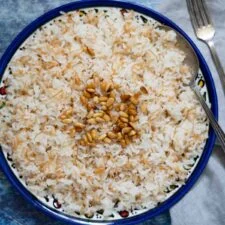
Arabic rice with vermicelli is a simple, gently savoury side dish with fluffy rice and golden toasted pasta. It cooks in one pot and pairs well with Middle Eastern stews and other saucy dishes.
Ingredients
- 190 g (1 cup)short-grain white rice
- 1 tablespoon (15 ml)ghee (or butter or any oil)
- 30 g (⅓ cup)vermicelli
- 240 ml (1 cup)boiling water
- ¼ teaspoonsea salt
Instructions
- 1
Soak the rice
Soak the rice for about 10–15 minutes.
- 2
Toast the vermicelli
Heat the ghee, butter or oil in a cooking pot. Add the vermicelli and stir continuously until it is evenly toasted and turning golden brown.
- 3
Coat the rice
Drain and rinse the rice, then add it to the vermicelli with the salt. Keep stirring so the rice is coated in the ghee and mixed with the toasted vermicelli.
- 4
Add the water
Pour in the boiling water. Once it begins to boil, cover the pot and turn the heat to low.
- 5
Cook the rice
Let the rice cook for about 15 minutes.
- 6
Rest and fluff
Turn off the heat and leave the covered pot to stand for 10 minutes. Fluff the rice with a fork before serving.
What is Arabic rice with vermicelli?
This is a familiar Middle Eastern-style side dish of rice cooked with short strands of pasta. It is often served alongside stews, where the grains can take up some of the sauce.
This version keeps the ingredient list brief and uses a one-pot method. Toasting the vermicelli first gives it colour and a savoury, lightly nutty flavour.
Nutrition and macros by portion
The nutrition label shows one serving as written: 230 calories, 5g protein, 50g carbs, 4g fat.
| Portion | Adjustment | kcal | Protein | Carbs | Fat |
|---|---|---|---|---|---|
| Lighter | Smaller rice portion | 161 kcal | 3g | 35g | 3g |
| This serving | As written | 230 kcal | 5g | 50g | 4g |
| Hungry | Larger rice portion | 345 kcal | 7g | 75g | 5g |
Most of the carbohydrates come from the rice and vermicelli, while the ghee, butter or oil supplies most of the fat. The rice and pasta also provide a little protein, but the dish is mainly a carbohydrate-rich side. Balance the plate by serving it with vegetables and a protein-rich main.
Choosing the ingredients
Rice: Short-grain white rice is the variety specified here. Soaking it before cooking helps prepare the grains for the pot; drain and rinse it before adding.
Vermicelli: Break the strands into shorter pieces if needed so they mix through the rice. Watch them closely as they toast, since they can darken quickly.
Fat: Ghee is traditional in this version, while butter or oil are listed alternatives. Use the same amount whichever you choose.
Getting the vermicelli golden
Even colour: Stir continuously as the vermicelli cooks in the fat, moving it around the base of the pot. Take care not to leave any strands sitting in one spot for too long.
The cue: Aim for an even golden-brown colour rather than a deep brown. Once it reaches that point, add the drained rice promptly.
Cooking the rice evenly
Coating: Stir the rice with the toasted vermicelli and salt before adding water, so the grains are coated with the fat and mixed through the pasta.
Gentle heat: Once the boiling water returns to a boil, cover the pot and turn the heat low. Keep the lid on while the rice cooks for about 15 minutes.
Resting and checking texture
Rest: After cooking, leave the covered pot off the heat for 10 minutes. This is part of the stated method and gives the rice time to settle before fluffing.
Fluff: Use a fork to separate the grains gently rather than pressing or stirring them hard. The rice should be tender and the vermicelli distributed throughout.
What to serve it with
Saucy mains: Serve the rice beside a Middle Eastern stew, so it can be spooned up with the sauce. Its mild flavour also works as a base for dishes with more strongly seasoned accompaniments.
At the table: Add it as a side alongside vegetables or a protein dish. Keep the rice covered until serving if the rest of the meal is still being prepared.
Recipe notes & tips
- Drain the soaked rice thoroughly so excess water does not alter the cooking balance.
- Stir the vermicelli continuously to help it brown evenly.
- Use a pot with a close-fitting lid for the covered cooking stage.
- Keep the heat low after the water begins boiling.
- Let the rice stand covered for the full 10 minutes before fluffing.
Variations
- Use butter: Swap it for the ghee in the same amount for a buttery flavour.
- Use oil: Choose any oil as the listed alternative to ghee or butter.
- Add herbs: Scatter chopped fresh parsley over the fluffed rice just before serving.
- Add spices: Stir a pinch of ground cinnamon into the fat for a warmly spiced variation.
- Serve with stew: Pair it with a saucy stew so the rice can take up some of the sauce.
Common mistakes to avoid
- Uneven toasting: Keep stirring the vermicelli so it colours evenly.
- Burnt vermicelli: Watch the strands closely and add the rice as soon as they turn golden brown.
- Extra soaking water: Drain and rinse the rice before putting it into the pot.
- Lifting the lid: Keep the pot covered during the 15-minute cooking time.
- Skipping the rest: Leave the pot covered off the heat for 10 minutes before fluffing.
How to store
Cool leftovers promptly, place them in an airtight container and refrigerate for up to 3 days. Reheat until piping hot, adding a small splash of water if the rice seems dry.
Frequently asked questions
Can I use long-grain rice instead?
The recipe specifies short-grain white rice, so a different variety may cook differently. If you substitute it, follow the cooking guidance for that rice.
Do I need to soak the rice?
The method calls for soaking it for about 10–15 minutes. Drain and rinse the rice before adding it to the toasted vermicelli.
How do I know when the vermicelli is ready?
It should be evenly toasted and turning golden brown. Stir continuously and add the rice promptly once it reaches that colour.
Can I use butter or oil instead of ghee?
Yes. The ingredient list gives butter or any oil as alternatives to ghee, using the same quantity.
Why does the rice rest after cooking?
The method leaves it covered off the heat for 10 minutes before fluffing. This gives the cooked rice time to settle in the pot.
What should I serve with Arabic rice?
It is intended as a side dish alongside Middle Eastern stews. It also goes well with vegetables and a protein-rich main.
Cook it from the original
This recipe comes from palestineinadish.com. Their page has the author’s own photos, notes and tips — the best place to cook it from.
Open the recipe on palestineinadish.com