
French Cruller Doughnut Recipe
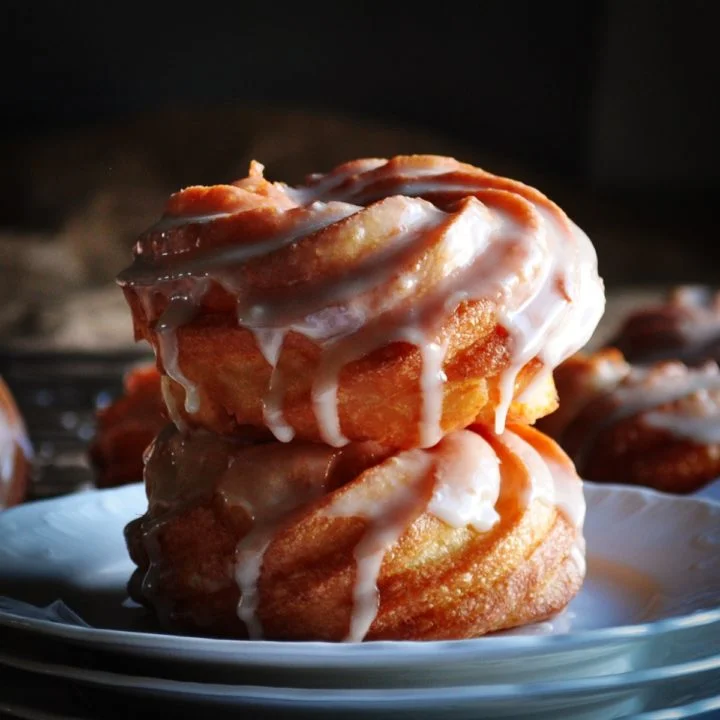
French crullers are light, ridged doughnuts made from choux pastry, fried until golden and finished with a simple lemon-and-vanilla glaze. They take about an hour and are especially good freshly made for a weekend breakfast or brunch.
Ingredients
- 118 ml + 15 mlwhole milk
- 118 ml + 15 mlwater
- 113 gunsalted butter
- 12.5 ggranulated sugar
- 4.4 g table salt, or 1¼ tsp kosher saltsalt
- 150 gunbleached plain flour
- 3 largeeggs
- 1 largeegg white, lightly beaten
- 1–2 tbspfinely grated lemon zest (about 1 large lemon)
- 187.5 gicing sugar
- 21 ghoney
- 30–45 mlmilk
- 15 mlpure vanilla extract
- As neededvegetable oil, for greasing the parchment and deep-frying
Instructions
- 1
Boil the liquids
In a large, heavy-based saucepan, bring the whole milk, water, butter, sugar and salt to a rolling boil over a medium heat. The bubbles should move across the entire surface.
- 2
Add the flour
Take the pan off the heat and add all the flour at once. Stir briskly with a wooden spoon until it is evenly moistened and combined.
- 3
Cook the dough
Return the pan to the heat and cook for 2–3 minutes, stirring vigorously throughout. The dough will become very thick; keep working it with the spoon until it feels smooth and a thick film forms on the bottom of the pan.
- 4
Cool the dough
Transfer the dough to the bowl of a stand mixer and spread it into a thin layer across the base and partway up the sides. Leave it uncovered for about 15 minutes, until just slightly warm.
- 5
Beat in two eggs
Fit the mixer with the paddle attachment and scrape down the bowl. Add 2 eggs and beat at medium speed until fully incorporated, scraping the bowl as needed.
- 6
Add the remaining egg
Scrape down the bowl and beat in the third egg at medium speed until incorporated. Scrape the bowl again, then add the egg white and lemon zest and beat until combined.
- 7
Chill the dough
Scrape down the sides of the bowl, cover it and chill the dough in the refrigerator for 10 minutes.
- 8
Prepare the parchment
Cut ten 7.6 cm (3-inch) squares of parchment paper and brush each one lightly with vegetable oil.
- 9
Heat the oil
Heat a deep fryer to 187°C. Alternatively, pour enough vegetable oil into a deep saucepan or stockpot to reach 7.5–10 cm (3–4 inches) up the sides and heat it to 187°C. A deep-frying thermometer is very helpful.
- 10
Pipe the crullers
Take the dough from the refrigerator and spoon some into a piping bag fitted with a large star nozzle. Hold the bag upright over a parchment square and pipe an even ring, joining the ends. Repeat with the remaining dough and squares.
- 11
Fry until golden
Use a slotted spoon to lower a cruller, with its parchment, into the hot oil. Hold the spoon beneath it for 4–5 seconds to stop it sinking. Fry 3–4 at a time for 5½–6 minutes; remove the parchment with metal tongs after 1 minute and turn the crullers after 2½ minutes. Aim for a deep golden colour all over, keeping the oil between 179°C and 187°C.
- 12
Drain and cool
Lift the crullers out with a slotted spoon and drain them on kitchen paper. Leave them to cool completely before glazing.
- 13
Mix the glaze
Put the icing sugar, honey, 30 ml milk and vanilla extract in a small bowl and stir to combine. Add more milk, up to 45 ml total, until the glaze is runny but thick enough to cling to the crullers.
- 14
Glaze the crullers
Once the crullers are completely cool, dip the top of each one into the glaze.
What are French crullers?
French crullers are ridged, ring-shaped doughnuts made from choux pastry, the same cooked dough used for éclairs and profiteroles. The name links them to French-style pastry, while cruller traditions also appear in other European and North American baking.
This version uses milk, butter and eggs for a tender, airy centre, with lemon zest in the dough and a vanilla-honey glaze. Piping the dough through a star nozzle gives the rings their familiar ridges and helps create plenty of crisp edges.
Nutrition and macros by portion
The nutrition label shows one serving as written: 171 calories, 5g protein, 32g carbs, 2g fat.
| Portion | Adjustment | kcal | Protein | Carbs | Fat |
|---|---|---|---|---|---|
| Lighter | One cruller with fruit | 120 kcal | 4g | 22g | 1g |
| This serving | As written | 171 kcal | 5g | 32g | 2g |
| Hungry | Serve two crullers | 257 kcal | 8g | 48g | 3g |
The flour and sugar provide most of the carbohydrates, while butter and frying oil contribute fat; the eggs and milk provide most of the protein. Pair a cruller with fruit and an unsweetened drink for a more varied plate.
Building the choux pastry
Hot liquid: Bring the milk, water, butter, sugar and salt to a full rolling boil before adding the flour. This gives the flour a hot base to absorb, so add it all at once and stir promptly.
Cooked dough: Return the pan to the heat and work the dough firmly for 2–3 minutes. A smooth mass and a film on the pan base are the cues that this stage is complete.
Adding the eggs
Cool first: Let the dough stand for about 15 minutes until it is only slightly warm. Adding eggs while the dough is very hot can affect how they incorporate.
One at a time: Beat in the first two eggs, then the third, scraping the bowl between additions. Mix in the egg white and zest last, continuing until the dough is even.
Piping even rings
Star nozzle: Use a large star tip so the ridges are clear and the dough can be piped in an even band. Bring the ends together to close each ring.
Parchment squares: Pipe each cruller onto its own lightly oiled square. The paper makes it easier to lower the soft ring into the fryer without flattening it.
Managing the frying
Steady heat: Bring the oil to 187°C, then keep it between 179°C and 187°C as the crullers cook. A deep-frying thermometer makes it easier to spot temperature changes.
Small batches: Fry 3–4 crullers at a time for 5½–6 minutes, removing the paper after 1 minute and turning them after 2½ minutes. They should be deep golden all over when done.
Getting the glaze right
Milk gradually: Start with 30 ml milk in the glaze and add the remainder as needed, up to 45 ml total. It should flow from a spoon but still cling to the tops.
Cool completely: Glazing warm crullers can make the coating slide off or turn thin. Let them cool fully after draining, then dip just the tops.
Serving and timing
Fresh is best: Crullers are at their lightest soon after frying, once they have cooled enough for the glaze. The recipe takes about 60 minutes from start to finish, including the dough’s resting and chilling time.
On the side: Serve them with coffee, tea or fresh fruit for brunch. Keep accompaniments simple so the crisp pastry and citrus-scented glaze remain the focus.
Recipe notes & tips
- Weigh the flour for a consistent dough texture.
- Scrape the bowl between egg additions so the dough mixes evenly.
- Use a thermometer to monitor the oil throughout frying.
- Keep the piped rings similarly sized so they cook at a similar rate.
- Let the crullers cool completely before dipping them in glaze.
Variations
- Citrus swap: Replace the lemon zest with finely grated orange zest.
- Lighter glaze: Use the smaller amount of milk for a thicker coating.
- Extra vanilla: Add a little more vanilla to the glaze for a stronger aroma.
- Spiced finish: Stir a pinch of ground cinnamon into the icing sugar.
- Plain tops: Leave the glaze off for crullers with a less sweet finish.
Common mistakes to avoid
- Adding flour slowly: Add it all at once so it moistens evenly in the hot liquid.
- Stopping too soon: Cook and stir the dough for the full 2–3 minutes until smooth and a film forms on the pan.
- Adding eggs to hot dough: Cool it until just slightly warm before beating in the eggs.
- Oil too cool: Check the temperature and bring it back within 179°C–187°C between batches.
- Crowding the fryer: Fry only 3–4 crullers at a time to make temperature control easier.
- Glazing warm crullers: Cool them completely first so the glaze can adhere.
How to store
These crullers are best on the day they are made, but can be kept for about a day in an airtight container at room temperature. Reheating may soften the glaze, so warm them briefly in a low oven only if preferred, and expect the texture to be less crisp.
Frequently asked questions
How many crullers does this recipe make?
It makes about 9 or 10, depending on how thickly you pipe the rings. The recipe is listed as 10 servings.
Can I make the dough ahead?
The method chills the dough for 10 minutes before piping. For the best texture, fry and glaze the crullers on the day you plan to serve them.
Can I fry these without a deep fryer?
Yes. Use a deep saucepan or stockpot with enough oil to reach 7.5–10 cm up the sides, and monitor the temperature with a deep-frying thermometer.
Why do I need parchment squares?
They support the piped dough while it is lowered into the oil, helping the rings keep their shape. Remove each square with metal tongs after 1 minute of frying.
How do I know when a cruller is cooked?
Follow the stated frying time of 5½–6 minutes and look for a deep golden colour on all sides. Keep the oil between 179°C and 187°C while cooking.
Can I adjust the glaze thickness?
Yes. Begin with 30 ml milk and add more, up to 45 ml total, until the glaze is runny but still clings to the doughnut tops.
Cook it from the original
This recipe comes from ofbatteranddough.com. Their page has the author’s own photos, notes and tips — the best place to cook it from.
Open the recipe on ofbatteranddough.com