
Gluten Free Flour Mix
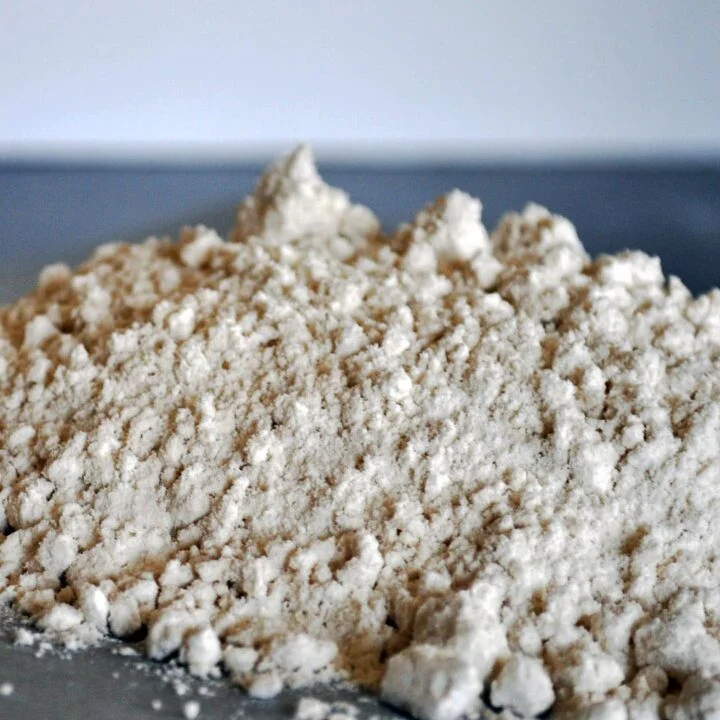
This simple gluten-free flour mix combines superfine brown rice flour with potato starch and tapioca flour. Whisk it together in minutes and keep it ready for recipes that call for a gluten-free flour blend.
Ingredients
- 250 g (2 cups)superfine brown rice flour
- 110 g (⅔ cup)potato starch (not potato flour)
- 40 g (⅓ cup)tapioca flour
Instructions
- 1
Whisk ingredients
Put all the ingredients in a bowl and whisk until evenly combined.
- 2
Store the mix
Double or triple the ingredients if you want to make a larger batch. Keep the flour mix in an airtight container in a cool, dry place for up to 3 months.
What is a gluten-free flour mix?
It is a blend of flours and starches designed for use in gluten-free baking. This version pairs brown rice flour with potato starch and tapioca flour; the recipe does not specify a particular regional origin.
The rice flour provides the main base, while the two starches help make the blend more useful in baking than rice flour alone. Its short ingredient list also makes the mix straightforward to prepare and store.
Nutrition and macros by portion
The nutrition label shows one serving as written: 481 calories, 3g protein, 108g carbs, 1g fat.
| Portion | Adjustment | kcal | Protein | Carbs | Fat |
|---|---|---|---|---|---|
| Lighter | Use a smaller portion | 337 kcal | 2g | 76g | 1g |
| This serving | As written | 481 kcal | 3g | 108g | 1g |
| Hungry | Make a larger batch | 722 kcal | 4g | 162g | 1g |
Most of the energy and carbohydrates come from the brown rice flour and the two starches; the blend contains very little fat or protein. Use it as part of a meal or bake that also includes a protein source and fruit or vegetables for a more balanced plate.
Choose the right ingredients
Brown rice flour: Use superfine flour so the blend has a fine, even texture. Coarser flour may feel more noticeable in the finished bake.
Potato starch: Check the label carefully: this recipe calls for potato starch, not potato flour. They are different ingredients and are not interchangeable here.
Tapioca flour: Tapioca flour is also sold as tapioca starch. Measure it as listed and mix it thoroughly with the other ingredients.
Mix it evenly
Whisk: A wire whisk helps break up small lumps and distribute the starches through the rice flour. Scrape around the bottom and sides of the bowl as you mix.
Check: The blend should look uniform, with no obvious patches of white starch or clumps. If you still see streaks, whisk for a little longer.
Use it in recipes
Follow the recipe: This mix is intended as a flour blend, but different baked goods can need different proportions of flour, liquid and binding ingredients. Use it in a recipe that specifies a gluten-free blend where possible.
Measure carefully: For consistent results, stir the mix before measuring so the ingredients have not settled into layers. A scale makes it easier to use the stated metric quantities.
Make a larger batch
Scale up: The method says to double or triple all the ingredients to make more. Keep the proportions the same so each batch has the same balance of rice flour and starches.
Label: Write the blend name and the date on the container. This makes it easier to identify and use before the stated storage period ends.
Store it well
Keep the mix in an airtight container in a cool, dry place for up to 3 months. Moisture can make the blend clump, so use a dry spoon and seal the container after each use.
Recipe notes & tips
- Use superfine brown rice flour for the smoothest blend.
- Check that the potato ingredient is starch, not potato flour.
- Whisk thoroughly to distribute the starches evenly.
- Stir the stored mix before measuring in case it has settled.
- Use a completely dry container and spoon to help keep moisture out.
Variations
- Scale up: Double or triple each ingredient while keeping the same proportions.
- Label the jar: Add the mix name and preparation date so it is easy to identify.
- Sift the blend: Sift it before use if you notice lumps.
- Use a scale: Weigh the ingredients for more consistent proportions.
- Keep it plain: Avoid adding seasoning or other ingredients when making this base mix.
Common mistakes to avoid
- Using potato flour: It is not the same as potato starch; check the packet before measuring.
- Uneven mixing: Starch can remain in patches; whisk until the blend looks uniform.
- Using coarse rice flour: It can leave a grainier texture; choose superfine brown rice flour.
- Storing while damp: Moisture can cause clumps; use a dry container and spoon.
- Changing the proportions: The blend may behave differently; scale all ingredients by the same factor.
How to store
Store the mix in an airtight container in a cool, dry place for up to 3 months. This is a dry flour blend, so it does not need reheating.
Frequently asked questions
Can I use potato flour instead of potato starch?
No. The recipe specifically calls for potato starch, which is different from potato flour.
How do I make a larger batch?
Double or triple each ingredient, keeping the original proportions. Whisk the larger batch thoroughly before storing.
How long does the mix keep?
It keeps for up to 3 months in an airtight container in a cool, dry place.
Should I sift the ingredients?
The method calls for whisking, which is usually enough to combine them. Sifting can help if any of the ingredients are lumpy.
Can I use this blend in any gluten-free recipe?
Not necessarily. Recipes can require different flour blends and proportions, so use it where a recipe calls for a gluten-free flour mix.
Cook it from the original
This recipe comes from ofbatteranddough.com. Their page has the author’s own photos, notes and tips — the best place to cook it from.
Open the recipe on ofbatteranddough.com