
Biscoff Cheesecake
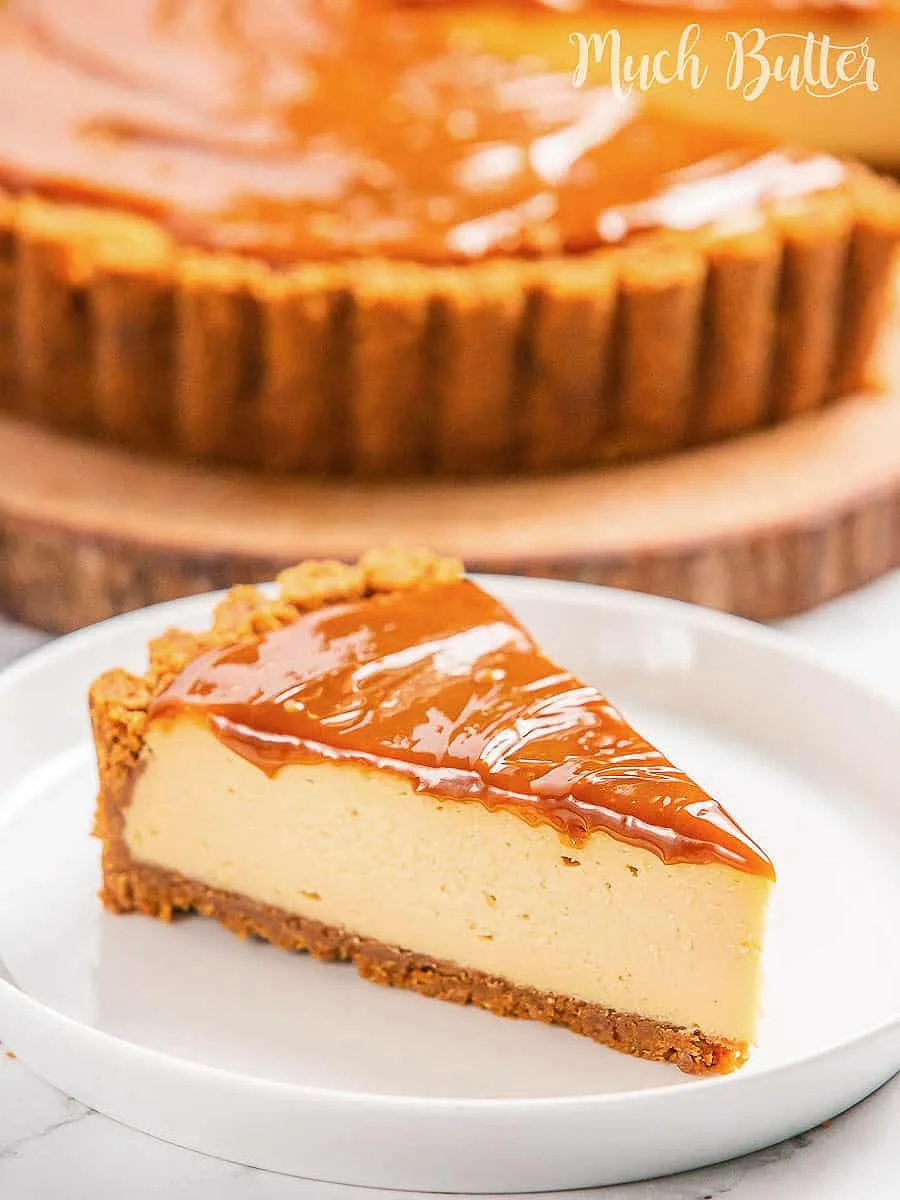
This Biscoff cheesecake pairs a spiced biscuit crust with a creamy, tangy filling and a smooth Biscoff topping. Make it ahead so it has time to chill and set before slicing.
Ingredients
- 283 gcrushed Biscoff biscuits
- 113 g, meltedunsalted butter
- 680 g, at room temperaturecream cheese
- 227 g, at room temperaturesoured cream
- 120 gBiscoff spread
- 150 ggranulated white sugar
- 2eggs
- 15 gplain flour
- 1 tbspcornflour
- 1 tspvanilla extract
- 120 gBiscoff spread
- 60 mldouble cream
Instructions
- 1
Make the crust
Crush the Biscoff biscuits with a rolling pin or in a food processor, then mix the crumbs with the melted butter.
- 2
Press into tin
Tip the mixture into an 20 cm springform tin. Press it across the base and up the sides by hand, then flatten it with a glass and chill in the fridge.
- 3
Heat the oven
Preheat the oven to 160°C.
- 4
Beat the cheese
In a large bowl, beat the cream cheese with a hand mixer or stand mixer on medium-low speed for about 2 minutes, until smooth, soft and creamy.
- 5
Add the sugar
Add one quarter of the sugar and beat until combined. Repeat with the remaining sugar, adding it in three more portions.
- 6
Mix in eggs
Add the eggs one at a time on low speed, beating after each addition until combined.
- 7
Scrape and flavour
Scrape the sides and bottom of the bowl with a spatula, then add the vanilla extract.
- 8
Add dry ingredients
Add the cornflour and plain flour, then beat until combined. Avoid mixing more than necessary.
- 9
Add cream and spread
Beat in the soured cream and Biscoff spread. Scrape the sides and bottom of the bowl again, checking that everything is evenly mixed.
- 10
Fill the tin
Pour the cheesecake mixture into the springform tin. Wrap the tin in aluminium foil to help prevent leaks.
- 11
Bake the cheesecake
Bake for 45 minutes without opening the oven door. It is ready when the edges are puffed and light golden brown and a small area in the centre still jiggles slightly.
- 12
Cool it slowly
After 45 minutes, switch off the oven and leave the cheesecake inside for 1 hour. Then let it cool completely at room temperature.
- 13
Chill until set
Refrigerate the cheesecake for at least 6 hours or overnight.
- 14
Make the sauce
Warm the Biscoff spread and double cream in a saucepan over medium-low heat, stirring until smooth and lump-free.
- 15
Cool the sauce
Turn off the heat, transfer the sauce to a bowl and leave it to cool completely.
- 16
Top the cheesecake
Spread the Biscoff sauce over the top of the cheesecake with an offset spatula.
- 17
Slice and serve
For neat slices, wipe the knife clean and dip it in warm water before cutting each slice. Serve the cheesecake.
What is Biscoff cheesecake?
Cheesecake has many forms, from baked European styles to the cream-cheese versions that became popular in the United States. This version takes an American-style baked cheesecake and gives it the caramelised, spiced biscuit flavour associated with Biscoff.
Biscuit crust: Crushed biscuits mixed with butter make a firm base and sides. Biscoff spread in the filling and sauce carries that flavour through the whole dessert.
Nutrition and macros by portion
The nutrition label shows one serving as written: 1750 calories, 22g protein, 145g carbs, 123g fat.
| Portion | Adjustment | kcal | Protein | Carbs | Fat |
|---|---|---|---|---|---|
| Lighter | Smaller slice, more berries | 1225 kcal | 15g | 102g | 86g |
| This serving | As written | 1750 kcal | 22g | 145g | 123g |
| Hungry | Larger cheesecake slice | 2625 kcal | 33g | 218g | 185g |
The biscuits, sugar and Biscoff spread provide most of the carbohydrates, while the cream cheese, butter, soured cream and double cream account for much of the fat. Cream cheese, eggs and dairy contribute protein. Balance a slice with fresh fruit, or serve a smaller piece after a meal with fruit alongside.
Building the filling
Room-temperature ingredients: Softened cream cheese and soured cream are easier to combine smoothly. Beat the cream cheese first, then add the sugar gradually before mixing in the eggs one at a time.
Flour and cornflour: These thicken the filling as it bakes. Mix them in just until combined to avoid overworking the batter.
Getting the crust right
Fine crumbs: Crush the biscuits evenly so the melted butter can coat them throughout. Press the mixture firmly over the base and up the sides, then use a glass to flatten it.
Chilling: Put the shaped crust in the fridge while you make the filling. This gives it a chance to firm up before the batter goes in.
How to judge doneness
Centre: A small area should still wobble slightly when the baking time is up; it will continue to set as the cheesecake cools. The edges should look puffed and lightly golden.
Oven door: Keep it closed during the 45-minute bake. The recipe then uses a gradual cool-down in the switched-off oven for 1 hour, followed by room-temperature cooling.
Cooling and chilling
Slow cooling: Leaving the cheesecake in the switched-off oven for an hour, then cooling it at room temperature, follows the recipe's staged cooling method. Allow it to cool completely before refrigerating.
Chill time: Give it at least 6 hours in the fridge, or leave it overnight. This helps the filling become firm enough to cut cleanly.
Finishing and serving
Smooth sauce: Heat the Biscoff spread and double cream over medium-low heat, stirring until no lumps remain. Cool the sauce completely before spreading it over the chilled cheesecake.
Clean slices: Wipe the knife and dip it in warm water before every cut. Serve as it is, or pair a slice with fresh berries for a bright contrast.
Recipe notes & tips
- Bring the cream cheese and soured cream to room temperature so they blend more easily.
- Scrape the bowl after adding the eggs and again after adding the soured cream and Biscoff spread.
- Press the biscuit mixture firmly into the tin to form an even crust.
- Keep the oven door shut for the full 45-minute bake.
- Let the sauce cool completely before spreading it over the cheesecake.
- Dip and wipe the knife between slices for cleaner cuts.
Variations
- Berry topping: Add fresh raspberries or strawberries on top just before serving.
- Biscuit finish: Crumble a few extra Biscoff biscuits over the sauce for added crunch.
- Chocolate drizzle: Finish each slice with a little melted dark chocolate.
- Caramel contrast: Serve slices with a small drizzle of caramel sauce.
- Citrus lift: Add finely grated lemon zest to the filling for a brighter flavour.
Common mistakes to avoid
- Cold cream cheese: It can leave lumps in the filling; let it come to room temperature before beating.
- Overmixing the flour: Too much beating after adding the flour can affect the filling's texture; stop as soon as it is combined.
- Opening the oven: The recipe calls for a closed door during baking; leave the cheesecake undisturbed for the full 45 minutes.
- Skipping the slow cool: Moving the cheesecake straight from the oven to the fridge skips the stated cooling stages; cool it in the switched-off oven, then at room temperature.
- Topping while warm: Warm sauce can be harder to spread evenly; wait until it has cooled completely.
- Cutting straight from the fridge: A dry, warm knife can drag through the topping; dip it in warm water and wipe it clean for each slice.
How to store
Keep the cheesecake covered in the fridge and eat within 3–4 days. Serve chilled; avoid reheating, as warming can soften the filling and topping.
Frequently asked questions
Can I make this cheesecake ahead?
Yes. It needs at least 6 hours of chilling, and the recipe allows for an overnight chill, so it is well suited to making ahead.
How do I know when the cheesecake is baked?
After 45 minutes, the edges should be puffed and light golden brown, while a small patch in the centre should still jiggle slightly.
Why wrap the springform tin in foil?
The recipe recommends wrapping the tin to help prevent leaks. Keep the foil around the outside of the tin as you bake.
Can I use a different-sized tin?
The method specifies an 20 cm springform tin. A different size will change the depth of the filling and may affect the baking time.
How do I get tidy slices?
Dip a knife in warm water and wipe it clean before cutting each slice.
Can I freeze the cheesecake?
The recipe does not give freezing instructions. For the intended texture, keep it covered in the fridge and serve it chilled.
Cook it from the original
This recipe comes from muchbutter.com. Their page has the author’s own photos, notes and tips — the best place to cook it from.
Open the recipe on muchbutter.com