
Homemade Orange Juice
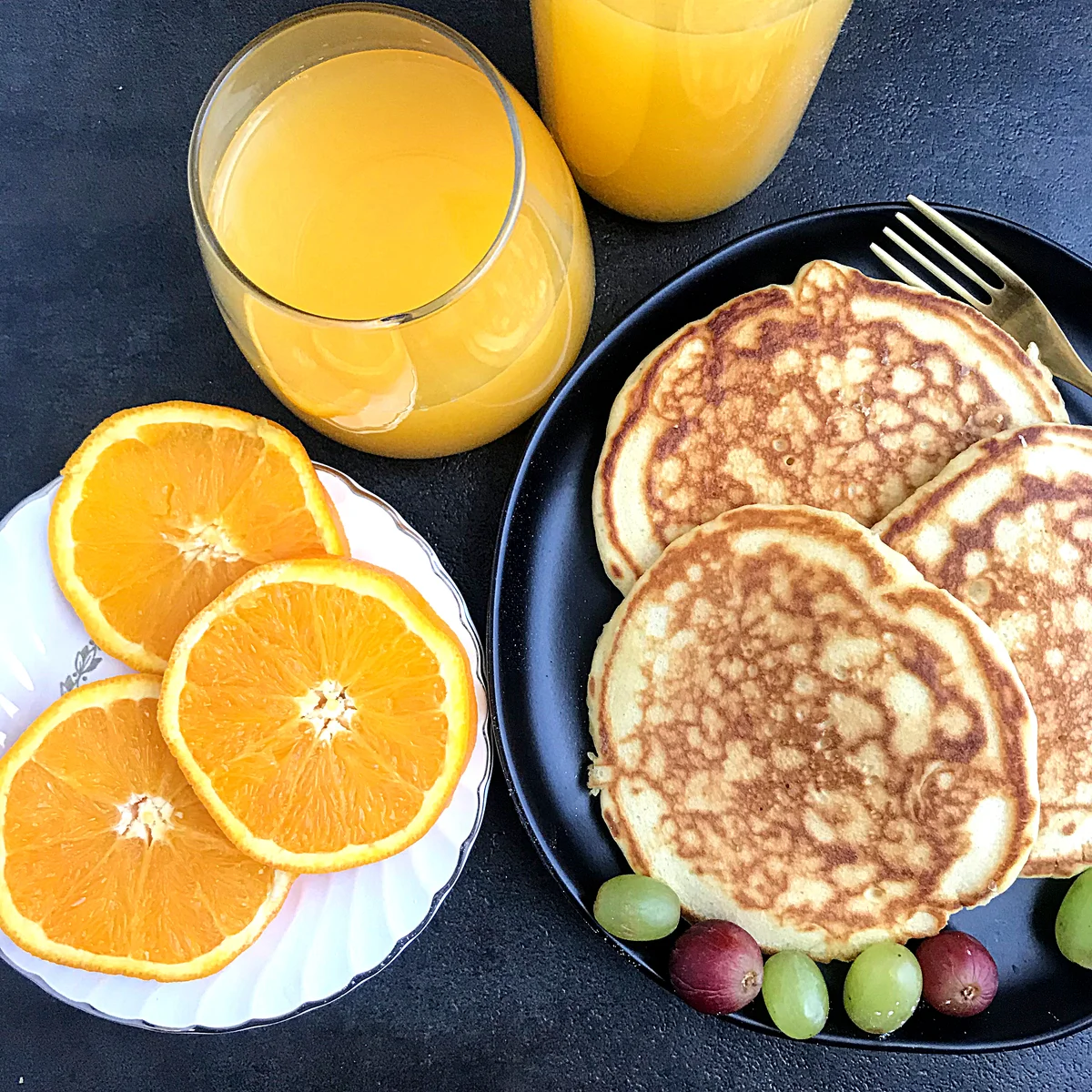
Freshly squeezed orange juice made with Navel oranges and a manual juicer. It takes just 15 minutes and is best served straight away over ice.
Ingredients
- 12Navel oranges
Instructions
- 1
Wash the oranges
Wash the oranges thoroughly, then pat them dry.
- 2
Halve the oranges
Cut each orange in half, with the stem attachment facing up.
- 3
Squeeze the juice
Use a manual juicer to squeeze the juice from the orange halves.
- 4
Collect the juice
When the juicer fills, pour the juice into a clean swing-top bottle or jug. Repeat until you have used all the oranges.
- 5
Serve or store
Serve immediately over ice, or refrigerate for up to 3 days.
What is fresh orange juice?
Fresh orange juice is simply juice pressed from oranges, without the processing used for many shop-bought versions. Oranges have long been grown across warm regions around the world, and squeezing them fresh is a straightforward way to enjoy their bright, sweet-tart flavour.
This version uses Navel oranges and a manual juicer, so there is no extra equipment or added ingredient to get in the way of the fruit.
Nutrition and macros by portion
The nutrition label shows one serving as written: 259 calories, 0g protein, 0g carbs, 0g fat.
| Portion | Adjustment | kcal | Protein | Carbs | Fat |
|---|---|---|---|---|---|
| Lighter | Smaller glass, no ice | 181 kcal | 0g | 0g | 0g |
| This serving | As written | 259 kcal | 0g | 0g | 0g |
| Hungry | Larger glass | 389 kcal | 0g | 0g | 0g |
Most of this juice’s carbohydrates come from the oranges; they also contribute a small amount of protein, while fat is naturally very low. Pair a glass with a protein-rich food, such as eggs or yoghurt, to make a more balanced plate.
Choosing and preparing the oranges
Navel oranges: Choose fruit that feels firm and heavy for its size, which can be a useful sign of juiciness. Wash and dry the skins before cutting so dirt on the outside is less likely to reach the cut fruit.
Cutting: Keep the stem attachment facing up as directed. Halving the fruit gives you a broad cut surface to press against the juicer.
Getting the most from a manual juicer
Steady pressure: Press each half firmly onto the juicer and turn it as needed to extract the juice. Avoid forcing the fruit so hard that excess bitter pith is scraped into the juice.
Work in batches: Pour the juice into a clean jug or bottle when the juicer fills, then continue with the remaining oranges.
Texture and serving
Pulp: A manual juicer usually leaves some pulp in the juice. If you prefer a smoother drink, strain it before serving.
Temperature: Serve the juice promptly over ice for a cold, refreshing drink. Stir before pouring if the juice has been standing, as the pulp can settle.
Timing and planning
Freshly squeezed juice is quickest to enjoy straight from the juicer, and the full batch takes about 15 minutes. If making it ahead, transfer it to a clean, covered bottle or jug and refrigerate it promptly.
Prepare the serving glasses and ice before you start squeezing so the juice can be served as soon as it is ready.
What to serve it with
At breakfast: Pour a small glass alongside toast, porridge or eggs for a simple morning spread. Its citrus flavour also works well with pastries and fruit.
At a meal: Serve it as a non-alcoholic drink with savoury dishes, or dilute it with chilled water if you would like a less intense flavour.
Recipe notes & tips
- Bring the oranges to room temperature before juicing for easier pressing.
- Roll each orange gently on the work surface before cutting to help loosen the juice inside.
- Use a clean, dry bottle or jug for collecting the juice.
- Strain the juice if you want less pulp.
- Stir the juice before serving if it has been refrigerated.
Variations
- Add lemon: Squeeze in a little lemon juice for a sharper citrus flavour.
- Add ginger: Stir in finely grated fresh ginger for a gently warming note.
- Make it sparkling: Top a glass with chilled sparkling water just before serving.
- Add mint: Bruise a few mint leaves and use them as a fresh garnish.
- Blend with carrot: Juice or blend carrot with the orange juice for a different fruit-and-vegetable flavour.
Common mistakes to avoid
- Skipping the wash: Wash the oranges before cutting so dirt on the skin does not transfer to the fruit.
- Using a dirty container: Pour the juice into a thoroughly clean bottle or jug.
- Pressing too aggressively: Apply firm, controlled pressure to avoid scraping too much bitter pith into the juice.
- Leaving it uncovered: Cover and refrigerate juice that is not being served immediately.
- Serving without stirring: Stir chilled juice before pouring if pulp has settled.
How to store
Transfer leftover juice to a clean, covered bottle or jug and refrigerate for up to 3 days. Stir before serving; enjoy it over ice or pour it chilled.
Frequently asked questions
Can I make this without a manual juicer?
Yes. Use another citrus juicer, or squeeze the halves by hand over a bowl and strain out seeds if needed.
Should I strain the juice?
That depends on your preference. Leave it as it is for a pulpier drink, or strain it for a smoother texture.
How many oranges make this recipe?
The recipe calls for 12 Navel oranges and makes 4 servings.
Can I prepare the juice in advance?
Yes. Keep it in a clean, covered container in the refrigerator for up to 3 days, then stir before serving.
Why does the juice taste bitter?
Juice can taste bitter if a lot of the white pith has been scraped into it during pressing. Use steady pressure and avoid forcing the orange against the juicer.
Cook it from the original
This recipe comes from mydiasporakitchen.com. Their page has the author’s own photos, notes and tips — the best place to cook it from.
Open the recipe on mydiasporakitchen.com