
Garlic Butter cashew Rice
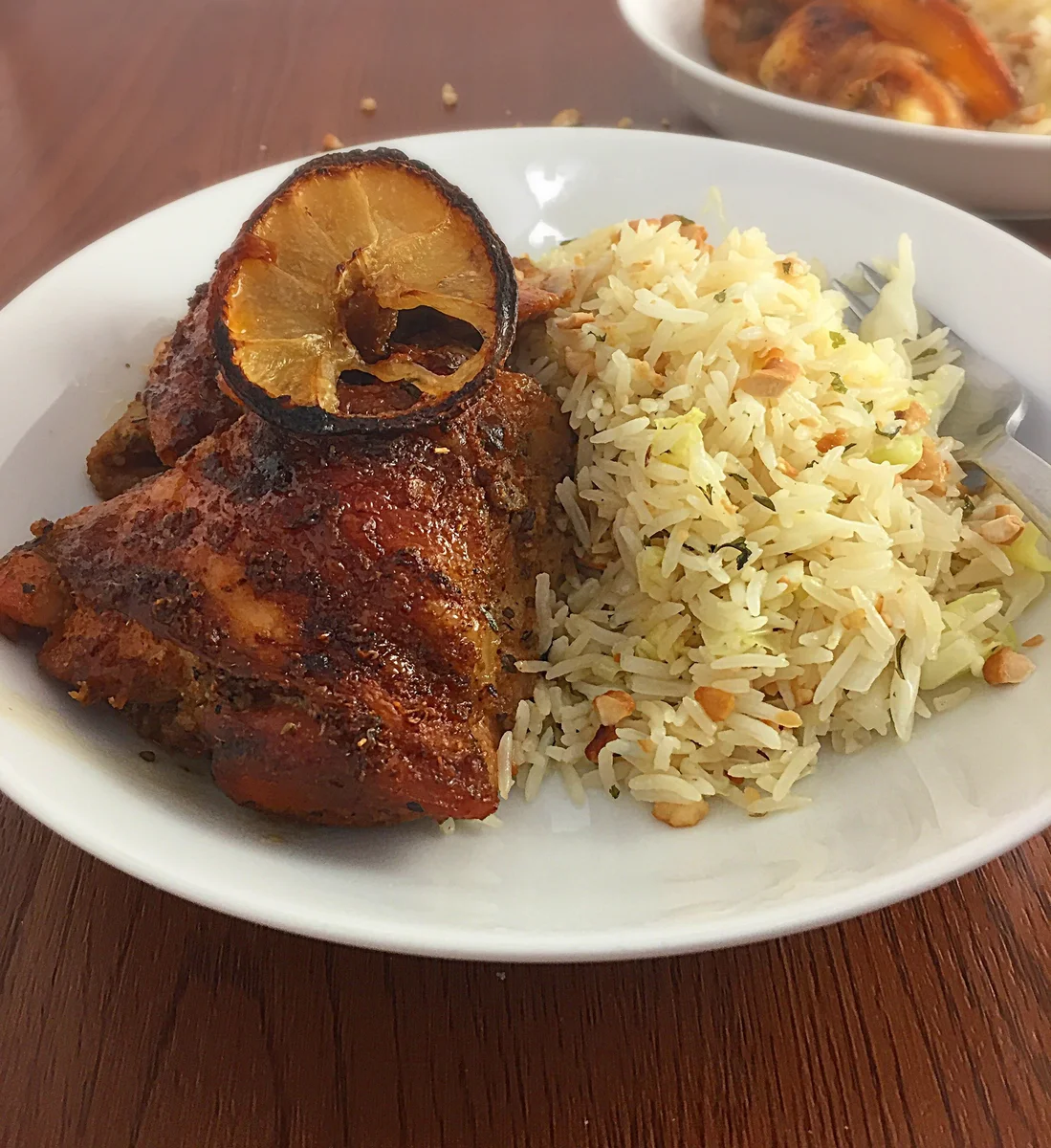
A quick skillet of cold cooked rice tossed with garlic butter, parsley and crushed cashews, with optional cabbage for extra texture. It is an easy way to turn leftover rice into a flavourful weeknight meal.
Ingredients
- 240 g (1½ cups)cold cooked rice, a day or two old
- 42 g (3 tbsp), meltedbutter
- 15 g (1 tbsp)minced garlic
- 7.5 ml (½ tbsp)dried parsley flakes
- 30 g (¼ cup), coarsely crushedroasted cashews
- 5 ml (1 tsp)onion powder
- 5 ml (1 tsp), or enough to tastebouillon powder
- ¼ head, chopped (optional)cabbage
Instructions
- 1
Heat the butter
Warm the melted butter in a skillet.
- 2
Cook the garlic
Sauté the minced garlic until fragrant. If using fresh onions, add them at this point. Stir in the chopped cabbage.
- 3
Add the rice
Add the cold rice straight from the fridge and stir it into the mixture.
- 4
Season the rice
Stir in the bouillon powder, parsley flakes and onion powder. Taste and adjust the seasoning as needed.
- 5
Warm and serve
Add the crushed cashews and keep stirring until the rice is thoroughly warmed. Serve with chicken.
What is garlic butter cashew rice?
This is a quick fried-rice-style dish made by reheating cooked rice in a buttery garlic mixture, then adding parsley, seasoning and roasted cashews. It is a rechauffé meal: a way to give already-cooked food a fresh second outing.
The recipe does not name a particular regional origin. Its appeal is in the contrast between savoury, tender rice and crunchy nuts, with optional cabbage adding another texture.
Nutrition and macros by portion
The nutrition label shows one serving as written: 420 calories, 7g protein, 45g carbs, 33g fat.
| Portion | Adjustment | kcal | Protein | Carbs | Fat |
|---|---|---|---|---|---|
| Lighter | Use less butter | 294 kcal | 5g | 31g | 23g |
| This serving | As written | 420 kcal | 7g | 45g | 33g |
| Hungry | Serve with chicken | 630 kcal | 11g | 68g | 50g |
Most of the carbohydrates come from the rice, while butter and cashews provide much of the fat; the cashews also contribute some protein. Serve a portion with chicken and a generous helping of vegetables to make a more balanced plate.
Why use cold rice?
Leftover rice: Chilled rice is usually firmer and less sticky than freshly cooked rice, so it is easier to stir through the butter without turning mushy.
Separate gently: Break up any large clumps as you add the rice, taking care not to mash the grains.
Build the garlic flavour
Fragrant garlic: Cook the minced garlic in the butter until it smells aromatic, then move on before it browns heavily, which can make its flavour harsh.
Optional cabbage: Stir in the chopped cabbage after the garlic. It softens as the rice cooks, while leaving it out keeps the dish simpler.
Season to taste
Bouillon powder: Its saltiness and strength vary by brand, so start with the stated teaspoon and taste before adding more.
Even coating: Stir the onion powder and parsley through the rice so the seasoning is distributed rather than concentrated in one spot.
Keep the cashews crunchy
Add them late: Stir in the crushed roasted cashews after seasoning the rice. This gives them less time to soften in the hot, buttery mixture.
Doneness cue: The rice is ready when it is hot throughout. Keep stirring so the grains warm evenly in the skillet.
Make it a meal
Serve alongside chicken, as suggested in the recipe. A fresh vegetable side can also balance the richness of the butter and nuts.
For a more filling plate, pair it with a protein-rich accompaniment; the rice itself is mainly a source of carbohydrates.
Recipe notes & tips
- Use rice that has been chilled for a day or two, as specified in the recipe.
- Break up clumps of cold rice before adding it to the skillet.
- Keep the garlic moving in the butter and take care not to let it brown too much.
- Taste the rice before adding extra bouillon powder, as brands differ in saltiness.
- Add the cashews towards the end so they retain more crunch.
- Stir until the rice is hot throughout before serving.
Variations
- Keep the cabbage: Add the optional chopped cabbage after sautéing the garlic, as in the method.
- Leave out the cabbage: Skip it for a simpler garlic butter rice.
- Use fresh onions: Add them with the garlic, as noted in the method.
- Adjust the bouillon: Use more or less powder to suit its strength and your taste.
- Crush the cashews coarsely: Keep some larger pieces for extra crunch.
Common mistakes to avoid
- Adding warm rice: Freshly cooked rice can turn sticky; use the cold leftover rice specified.
- Browning the garlic: It can taste harsh; stir it in the butter only until fragrant.
- Over-seasoning early: Bouillon varies in saltiness; taste the rice before adjusting.
- Adding cashews too soon: They can lose their crunch; stir them in near the end.
- Serving before the rice is hot: Keep stirring until it has warmed thoroughly.
How to store
Refrigerate leftovers promptly in a covered container and use within 3 days. Reheat in a skillet, stirring until piping hot throughout; add a small splash of water if the rice seems dry.
Frequently asked questions
Can I use freshly cooked rice?
The recipe is designed for cold rice that is a day or two old. Freshly cooked rice may be softer and more likely to clump in the skillet.
Is the cabbage essential?
No, it is listed as optional. Leave it out if you prefer a simpler rice dish.
How do I know when the rice is ready?
Stir until the rice is hot throughout. The method gives no fixed cooking time, so use the temperature of the rice as your cue.
Can I change the amount of bouillon?
Yes. The recipe says to season to taste, and bouillon powders differ in strength, so taste before adding more.
What should I serve with it?
The recipe suggests chicken. You could also serve it with vegetables alongside.
Cook it from the original
This recipe comes from mydiasporakitchen.com. Their page has the author’s own photos, notes and tips — the best place to cook it from.
Open the recipe on mydiasporakitchen.com