
Irish Scones: A Recipe For St. Patricks Day
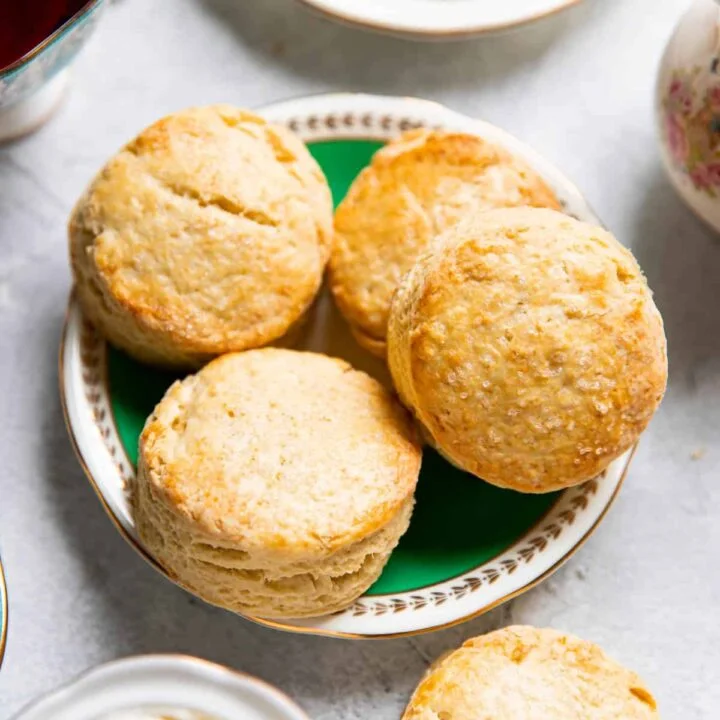
These Irish scones are tender, lightly sweet and rich with cold Irish butter. They come together with a handful of baking staples and are ready in about 30 minutes, making them a lovely choice for a St Patrick’s Day table or an everyday treat.
Ingredients
- 375 g (3 cups)plain flour
- 10 ml (2 tsp)baking powder
- 2.5 ml (½ tsp)bicarbonate of soda
- 5 ml (1 tsp)salt
- 38 g (3 tbsp), plus extra for sprinklingsugar
- 113 g (½ cup)cold Irish butter, cubed
- 1egg
- 180 ml (¾ cup) plus 30 ml (2 tbsp)buttermilk
Instructions
- 1
Heat the oven
Preheat the oven to 220°C (425°F).
- 2
Line the tray
Cover a baking sheet with parchment paper.
- 3
Sift the dry ingredients
Sift the flour, baking powder, bicarbonate of soda, salt and sugar together into a large bowl three times.
- 4
Rub in the butter
Add the cold butter and work it in with your fingers until it is fully combined and no lumps remain.
- 5
Mix egg and milk
Whisk the buttermilk and egg together, then pour the mixture into the dry ingredients.
- 6
Combine the mixture
Mix everything together with a large spoon.
- 7
Turn out the dough
Tip the dough onto a floured work surface.
- 8
Shape the dough
Use your hands to form the dough into a disc, then roll it out with a rolling pin to your preferred thickness.
- 9
Cut the scones
Cut out circles with biscuit cutters, dipping the cutter in flour after each cut to prevent sticking.
- 10
Arrange on the tray
Place all the scones on the prepared baking sheet.
- 11
Brush with buttermilk
Brush some of the extra buttermilk over the tops of the scones.
- 12
Add the sugar
Sprinkle sugar over the tops.
- 13
Bake until golden
Bake for 15 minutes, or until golden brown.
- 14
Serve the scones
Serve plain or with toppings of your choice.
What are Irish scones?
Scones are a familiar part of Irish baking, often served with tea and enjoyed with simple accompaniments. This version is a quick, lightly sweet bake made with flour, buttermilk and butter.
Irish butter is the defining choice here, bringing richness to the dough. Sifting the dry ingredients several times and keeping the butter cold help set up a tender, well-risen result.
Nutrition and macros by portion
The nutrition label shows one serving as written: 201 calories, 4g protein, 27g carbs, 8g fat.
| Portion | Adjustment | kcal | Protein | Carbs | Fat |
|---|---|---|---|---|---|
| Lighter | Smaller scone portion | 141 kcal | 3g | 19g | 6g |
| This serving | As written | 201 kcal | 4g | 27g | 8g |
| Hungry | Serve two scones | 302 kcal | 6g | 41g | 12g |
The flour and sugar provide most of the carbohydrates, while butter contributes much of the fat. The egg, buttermilk and flour provide some protein; serve a scone with fruit and yoghurt for a more balanced plate.
The butter and flour
Cold butter: work the cubes into the dry ingredients with your fingertips until evenly combined, as the method directs. Avoid warming the mixture too much with your hands.
Sifted flour: sifting the flour with the raising agents, salt and sugar distributes them throughout the mixture. The recipe calls for sifting three times.
Bringing the dough together
Buttermilk and egg: whisk them together before adding them to the dry mixture. Stir with a large spoon until combined, rather than mixing longer than needed.
Floured surface: tip the dough out onto a lightly floured counter before shaping it into a disc. Roll to the thickness you prefer; thicker dough will make taller scones.
Cutting neat rounds
Floured cutter: dip the biscuit cutter in flour after each cut to help it pass through the dough cleanly. Press down to cut the rounds rather than twisting the cutter.
Even sizes: cut the rounds as consistently as you can so they bake at a similar rate. Gather and re-form any scraps gently if you want to use them.
When the scones are done
Golden tops: bake at 220°C (425°F) for 15 minutes, checking for an even golden-brown colour. The recipe gives colour as the visual cue for doneness.
Sugar finish: brush the tops with extra buttermilk, then sprinkle with sugar before baking. This gives the tops a light sheen and a little sweetness.
Serving ideas
Keep them simple: these scones can be served plain, as the method suggests, or paired with toppings you enjoy. Butter, jam or cream are familiar choices for a tea-time serving.
For a more filling plate, add fruit or yoghurt alongside a scone. Serve them once baked for the best contrast between the lightly crisp top and tender centre.
Recipe notes & tips
- Measure the flour without packing it tightly into the measuring cup.
- Keep the butter cold until you are ready to combine it with the dry ingredients.
- Sift the dry ingredients three times, as specified in the method.
- Dip the cutter in flour after every cut to reduce sticking.
- Use the same cutter size for all the rounds so they bake evenly.
- Check the scones at 15 minutes and use their golden colour as the doneness cue.
Variations
- Add dried fruit: fold a small handful of raisins or currants into the dry mixture.
- Serve with jam: split a cooled scone and spread it with your preferred jam.
- Try a savoury topping: serve plain scones with cheese for a less sweet pairing.
- Change the cutter: use a smaller cutter for more, smaller scones.
- Add citrus zest: mix a little finely grated lemon zest into the dry ingredients.
Common mistakes to avoid
- Warm butter: it can make the dough less tender; start with cold, cubed butter.
- Sticky cutter: dip it in flour after each cut so it releases from the dough.
- Uneven rounds: cut them to a consistent size so they bake at a similar rate.
- Overworking the dough: mix only until combined to avoid tough scones.
- Skipping the topping: brush the tops with buttermilk and sprinkle on sugar before baking.
- Guessing the bake: check at 15 minutes and look for a golden-brown finish.
How to store
Once cool, store the scones in an airtight container at room temperature and eat within 2 days. Warm them briefly in a low oven before serving; avoid overheating, which can dry them out.
Frequently asked questions
Can I make the dough ahead?
The method is designed for a quick bake, so the simplest option is to mix and bake the scones just before serving. If prepared ahead, keep the dough covered and chilled, then shape and bake it promptly.
How thick should I roll the dough?
The recipe leaves the thickness to your preference. Roll the disc evenly, bearing in mind that thicker rounds will produce taller scones.
Can I use plain butter instead of Irish butter?
Yes. Use the same amount of cold, cubed butter; Irish butter is the version highlighted in this recipe.
What can I use instead of a biscuit cutter?
A round drinking glass can cut the dough if you do not have a biscuit cutter. Flour its rim between cuts to help prevent sticking.
How do I know when they are baked?
Bake for 15 minutes and look for golden-brown tops. The recipe uses this colour as its doneness cue.
What should I serve with Irish scones?
They can be served plain or with toppings of your choice. Jam, butter or cream are easy options.
Cook it from the original
This recipe comes from moderncrumb.com. Their page has the author’s own photos, notes and tips — the best place to cook it from.
Open the recipe on moderncrumb.com