
Stovetop Macaroni and Cheese
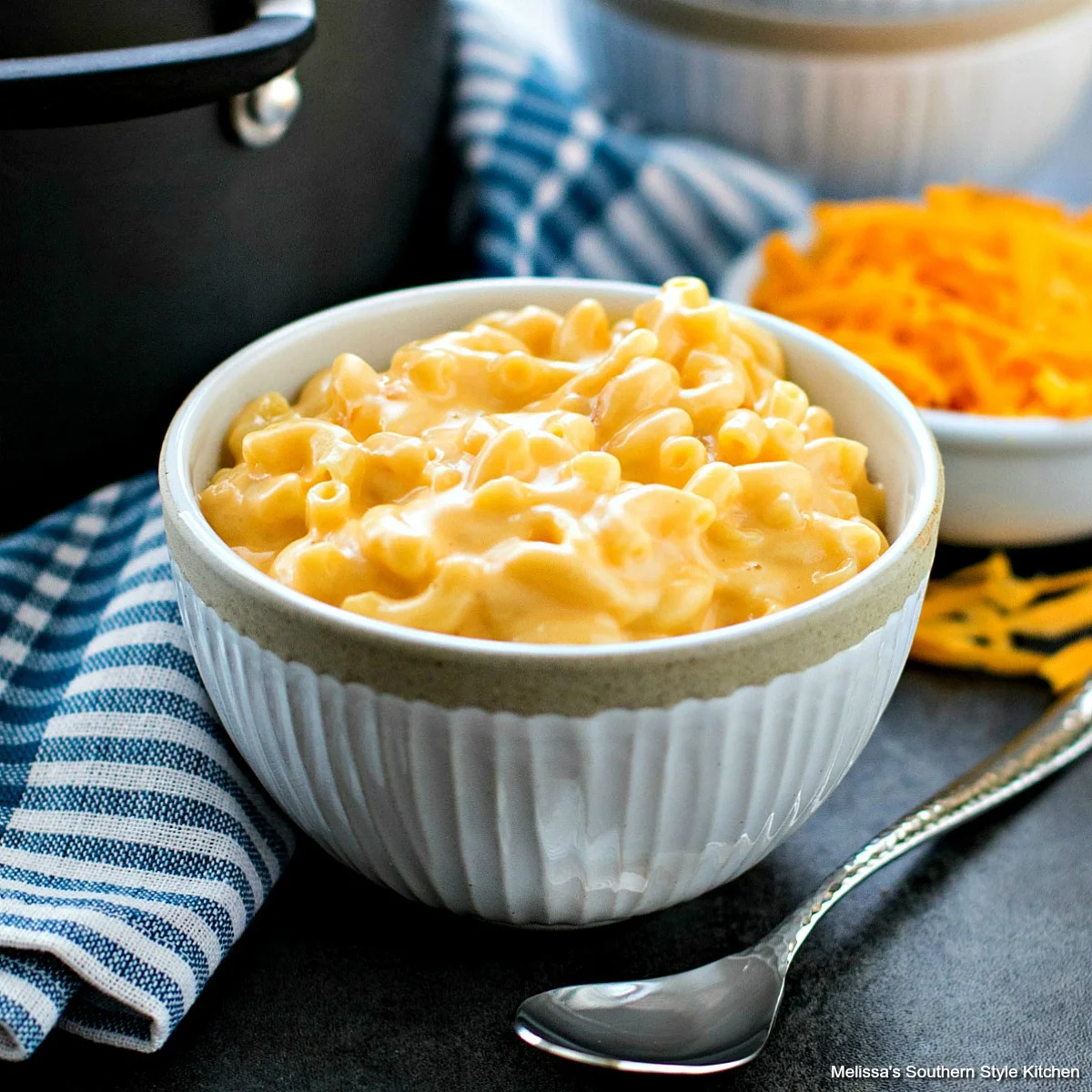
This Southern-style stovetop macaroni and cheese cooks pasta in milk and water, then coats it in a creamy blend of butter, cream cheese and melting cheeses. It is a comforting one-pot option when you want a hearty meal without switching on the oven.
Ingredients
- 710 ml (3 cups)milk
- 710 ml (3 cups)water
- 5 ml (1 tsp)salt
- 454 g (16 oz)elbow macaroni
- 57 g (4 Tbsp)butter
- 57 g (2 oz), plus extra as neededplain cream cheese
- 2.5 ml (1/2 tsp)black pepper
- 2.5 ml (1/2 tsp)dry mustard powder
- A few dasheshot sauce (optional)
- 225 g (2 cups)shredded Colby cheese or a blend of Cheddar cheese
- 113 g (1 cup)easy-melt creamy cheese, such as Monterey Jack, Fontina or queso quesadilla
Instructions
- 1
Heat the liquid
In a large, deep pot, heat the milk, water and salt until steaming and just below boiling, watching carefully to prevent it boiling over. Add the macaroni and stir so it does not stick to the bottom.
- 2
Cook the pasta
Cook over medium-high heat at a lively bubble for 12–15 minutes, stirring occasionally, until the pasta is al dente and tender. Do not drain it; turn the heat to low.
- 3
Stir in seasonings
Add the butter, cream cheese, black pepper, mustard and hot sauce if using. Stir until combined and the cream cheese has melted.
- 4
Melt the cheeses
Add the shredded Cheddar and Monterey Jack, then stir again until all the cheese has melted.
- 5
Serve straight away
Take the pot off the heat and serve the macaroni and cheese immediately.
What is Southern stovetop macaroni and cheese?
Macaroni and cheese is an American comfort-food classic, with versions that range from baked casseroles to quick stovetop dishes. This Southern-style version is cooked entirely on the hob, so the pasta and sauce come together in one pot.
Cooking the macaroni in milk and water leaves starchy cooking liquid in the pot. Butter, cream cheese and two kinds of melting cheese turn that liquid into a rich, clingy sauce without baking.
Nutrition and macros by portion
The nutrition label shows one serving as written: 508 calories, 21g protein, 48g carbs, 26g fat.
| Portion | Adjustment | kcal | Protein | Carbs | Fat |
|---|---|---|---|---|---|
| Lighter | Smaller bowl, more greens | 356 kcal | 15g | 34g | 18g |
| This serving | As written | 508 kcal | 21g | 48g | 26g |
| Hungry | Larger portion | 762 kcal | 32g | 72g | 39g |
The macaroni provides most of the carbohydrates, while the milk and cheeses contribute protein. Butter and cheese account for much of the fat; serve a moderate bowl with vegetables or salad to round out the plate.
Why cook pasta in milk?
Milk and water: The milk brings richness while the water helps provide enough liquid to cook the pasta. Heat them with the salt until steaming, but keep a close eye on the pot as the mixture approaches boiling.
Un-drained pasta: The macaroni cooks directly in the liquid, and the recipe relies on that remaining liquid to help form the sauce. Stir from time to time so the pasta does not settle and stick.
How the cheese blend works
Cream cheese: This melts into the pasta and helps make the sauce smooth and creamy. The recipe allows for a little extra if needed, so add it only if you want a richer, thicker finish.
Melting cheeses: Colby or Cheddar contributes a familiar cheesy flavour, while Monterey Jack, Fontina or queso quesadilla adds an easy-melting element. Shred the cheese before you start so it is ready to stir in.
Getting the pasta texture right
Cook time: Begin checking the pasta at 12 minutes; the stated range is 12–15 minutes. The goal is tender pasta with a little bite, rather than pasta that has turned soft and mushy.
Stirring: Give the pot an occasional stir while the macaroni bubbles, paying attention to the bottom. Once cooked, lower the heat before adding the butter and cream cheese.
Finishing the sauce
Seasonings: Black pepper and dry mustard add savoury depth, while a few dashes of hot sauce are optional. Stir these in with the butter and cream cheese so they are distributed through the pasta.
Final melt: Add the shredded cheeses after the cream cheese has melted, and stir until smooth. Take the pot off the heat and serve promptly, while the sauce is at its creamiest.
What to serve with it
A crisp green salad or simply dressed vegetables make a fresh contrast to the creamy pasta. Steamed green beans or broccoli are also easy sides that can be prepared while the macaroni cooks.
For a more substantial plate, serve it alongside grilled chicken or another simple protein. The macaroni is rich, so a bright, lightly dressed side helps balance the meal.
Recipe notes & tips
- Use a large, deep pot to give the milk mixture room as it heats.
- Stay nearby as the milk approaches boiling so it does not bubble over.
- Stir the macaroni occasionally during cooking to keep it from sticking to the pot.
- Grate the cheese before the pasta finishes cooking for a smooth, quick finish.
- Serve as soon as the cheese has melted for the creamiest texture.
Variations
- Extra mustard: Add a little more dry mustard for a more pronounced savoury note.
- Spicier sauce: Increase the hot sauce to taste for extra heat.
- Different melting cheese: Swap in Fontina or queso quesadilla for the Monterey Jack.
- Cheddar blend: Use a blend of Cheddar cheeses in place of the Colby.
- Vegetable side: Serve with steamed broccoli or green beans for colour and crunch.
Common mistakes to avoid
- Walking away during heating: Milk can boil over quickly, so watch the pot as it steams.
- Skipping the stirring: Pasta can stick to the bottom; stir occasionally as it cooks.
- Draining the pot: The recipe uses the pasta cooking liquid for the sauce, so leave it in.
- Adding cheese over high heat: Lower the heat before mixing in the cheeses to help them melt smoothly.
- Overcooking the macaroni: Check it from 12 minutes and stop when it is tender with a little bite.
How to store
Refrigerate leftovers in a covered container and eat within 3–4 days. Reheat gently on the hob or in the microwave, stirring in a splash of milk if the sauce has thickened.
Frequently asked questions
Do I drain the macaroni?
No. The method specifically keeps the pasta cooking liquid in the pot to help make the sauce.
How do I know when the macaroni is done?
Cook it for 12–15 minutes, checking for tender pasta that still has a little bite. The exact time can vary, so taste a piece as it nears the end of the range.
Can I leave out the hot sauce?
Yes. It is optional, so you can omit it or use just a few dashes to suit your taste.
Can I use a different cheese?
Yes. The recipe suggests Colby or Cheddar for the shredded cheese, and Monterey Jack, Fontina or queso quesadilla as the easy-melt cheese.
Why is my sauce too thick?
The pasta can absorb more liquid as it sits. Stir in a small splash of milk while reheating to loosen it.
Can I make it ahead?
It is best served straight after cooking, when the sauce is at its creamiest. Leftovers can be refrigerated and reheated gently with a splash of milk.
Cook it from the original
This recipe comes from melissassouthernstylekitchen.com. Their page has the author’s own photos, notes and tips — the best place to cook it from.
Open the recipe on melissassouthernstylekitchen.com