
Beans, Beans, Beans -- Frijoles de Olla
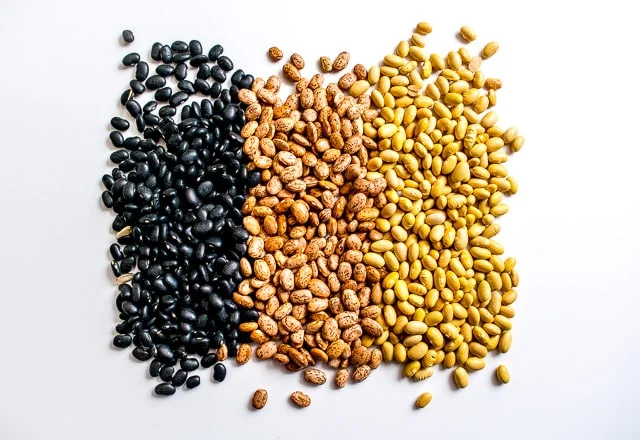
Frijoles de olla are dried beans gently simmered with onion until tender, with an optional spoonful of lard for a richer broth. Make a pot to serve alongside meals, then portion the beans and cooking liquid for the fridge or freezer.
Ingredients
- 380 g (2 cups)dried beans
- 1 smallonion
- 30–45 ml (2–3 tablespoons), optionallard
- 5 g (1 teaspoon), plus more to tastesalt
- 1.9–2.8 litres (2–3 quarts)water
Instructions
- 1
Sort and rinse
Pick through the beans, removing any stones or shrivelled beans. Rinse them and drain well.
- 2
Add ingredients
Put the beans in a pot and pour in 1.9–2.8 litres of water, or enough to sit about 5 cm (2 inches) above the beans. Add the roughly chopped onion and 30–45 ml of lard, if using.
- 3
Simmer the beans
Bring the pot to the boil, then lower the heat to a simmer and partially cover. Cook for 1½–2 hours.
- 4
Check the water
Make sure the water remains well above the beans, adding more if needed.
- 5
Check for tenderness
Begin tasting the beans after 1½ hours. If they are still hard or grainy, continue cooking.
- 6
Season and finish
When the beans are nearly tender, add 5 g of salt and simmer for another 10–15 minutes. Taste and add more salt if needed; the original batch used about 2 heaped teaspoons in total.
- 7
Portion and store
If you like, divide the beans into 240 ml (1 cup) portions in bags or jars, including plenty of broth in each. Keep them in the fridge for a few days or freeze them for months.
What are frijoles de olla?
Frijoles de olla means beans from the pot: a home-style Mexican preparation of beans simmered until tender in their cooking liquid. This version keeps the seasoning simple, with onion and salt, and leaves the lard optional.
The gentle, covered simmer gives the beans time to soften while the broth takes on their flavour. Keeping that broth with the beans also makes each portion useful for serving or storing.
Nutrition and macros by portion
The nutrition label shows one serving as written: 120 calories, 0g protein, 0g carbs, 0g fat.
| Portion | Adjustment | kcal | Protein | Carbs | Fat |
|---|---|---|---|---|---|
| Lighter | Skip the optional lard | 84 kcal | 0g | 0g | 0g |
| This serving | As written | 120 kcal | 0g | 0g | 0g |
| Hungry | Serve a larger portion | 180 kcal | 0g | 0g | 0g |
The beans provide most of the carbohydrates and plant protein, while the optional lard contributes fat. Pair a serving with vegetables and another protein-rich food for a more varied plate.
Choosing and preparing the beans
Dried beans: sort through them before cooking to remove stones and any shrivelled beans. Rinsing and draining clears away dust and debris.
Onion: a roughly chopped small onion is all that is needed here. It simmers with the beans and flavours the cooking liquid.
The optional lard
Lard: add 30–45 ml with the beans and onion if you want a richer pot. Leave it out for a simpler version; the method otherwise stays the same.
Keep the beans submerged
Water level: start with enough water to stand about 5 cm above the beans, then check it during cooking. Add more if the beans are no longer well covered.
Partially covering the pot lets the beans simmer steadily while leaving room to keep an eye on the liquid. Avoid letting the pot boil vigorously once it has reached a simmer.
How to tell when they are done
Texture: start tasting after 1½ hours. Properly tender beans should not feel hard or grainy; if they do, give them more time and taste again.
Timing: the recipe allows 1½–2 hours of simmering, but tenderness is the useful cue. Add the salt when the beans are close, then simmer for a further 10–15 minutes.
Serving the beans
Broth: serve the beans with some of their cooking liquid, which keeps them moist and makes a satisfying accompaniment. They can sit alongside rice, tortillas or other parts of a meal.
Portions: for storing, the recipe suggests 240 ml (1 cup) servings. Include plenty of broth in each bag or jar.
Recipe notes & tips
- Sort the dried beans carefully before rinsing to catch any small stones.
- Keep the beans well covered with water throughout the simmer.
- Start checking for tenderness at 1½ hours rather than relying on the clock alone.
- Add the salt when the beans are nearly tender, as directed in the method.
- Include plenty of broth when portioning the beans for storage.
Variations
- Leave out the lard: simmer the beans with just the onion and salt for a leaner-tasting pot.
- Use a different bean: substitute another dried bean, allowing for its tenderness to guide the cooking time.
- Add garlic: include a roughly chopped clove with the onion for extra savoury flavour.
- Add herbs: simmer with a sprig of fresh herbs, then remove it before serving.
- Serve with rice: spoon the beans and broth alongside cooked rice for a simple meal.
Common mistakes to avoid
- Skipping the sort: stones can hide among dried beans, so pick through them before rinsing.
- Letting the water run low: the beans may become exposed; check the level and add water as needed.
- Boiling too hard: a rolling boil is not needed; lower the heat to maintain a simmer.
- Stopping while they are grainy: keep simmering and taste again until the beans are tender.
- Storing without broth: the beans can dry out; include plenty of cooking liquid in each portion.
How to store
Keep the beans with their broth in a covered container in the fridge for a few days. For longer storage, portion them with plenty of broth into freezer-safe bags or jars and freeze for months; reheat until hot, adding a little water if needed.
Frequently asked questions
Do I need to soak the beans first?
The method does not call for soaking; it starts with rinsed dried beans. Follow the tenderness cues and allow the stated 1½–2 hours of simmering.
How much water should I use?
Start with 1.9–2.8 litres, enough to cover the beans by about 5 cm. Add more during cooking whenever the water level drops too low.
When should I add the salt?
Add the first teaspoon when the beans are nearly tender, then simmer for another 10–15 minutes. Taste and add more if needed.
How do I know the beans are cooked?
Taste them from 1½ hours onwards. They should no longer be hard or grainy; continue simmering if they need more time.
Can I leave out the lard?
Yes. It is optional, and the beans can be cooked with the water and onion without it.
Can I freeze the beans?
Yes. Portion them into freezer-safe bags or jars and include plenty of broth. The recipe notes that they can keep in the freezer for months.
Cook it from the original
This recipe comes from mexicanplease.com. Their page has the author’s own photos, notes and tips — the best place to cook it from.
Open the recipe on mexicanplease.com