
Rice pudding
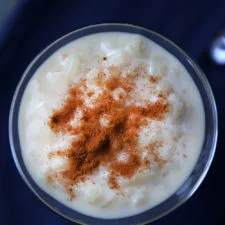
This creamy rice pudding is gently cooked with cinnamon and vanilla, then finished with milk and sugar. Short-grain rice gives it a soft, cohesive texture, and it can be served warm or chilled.
Ingredients
- 190 g (1 cup)short-grain rice
- 400 mlwater
- 500 mlmilk, or 1 tin evaporated milk
- 1 stickcinnamon
- 15 ml (1 tablespoon)vanilla extract
- 100 g (½ cup), or more or less to taste; alternatively, 1 tin condensed milksugar
- to taste, optionalground cinnamon, to decorate
Instructions
- 1
Leave rice unwashed
The rice does not need to be washed for this recipe.
- 2
Combine rice and water
Put the uncooked rice in a saucepan with 2 cups of water (about 480 ml) and the cinnamon stick.
- 3
Cook the rice
Cook over medium-low heat for about 25 minutes.
- 4
Add some milk
As the water evaporates, begin adding half of your chosen milk.
- 5
Sweeten the pudding
Add the sugar, or use condensed milk instead if you prefer.
- 6
Cook briefly
Continue cooking for about 5 minutes.
- 7
Finish with milk
Add the remaining cold milk, stir well and turn off the heat.
- 8
Let it rest
Leave the pudding to rest, then serve it warm or completely chilled.
- 9
Add cinnamon
If desired, sprinkle with ground cinnamon to decorate.
What is rice pudding?
Rice pudding is a comforting dish made by cooking rice with milk and sweetener until tender and creamy. Versions are found in many cuisines; this one uses cinnamon and vanilla for familiar, fragrant flavour.
Short-grain rice: its starch helps the pudding hold together and turn creamy as it cooks. Adding milk in stages gives the rice time to soften before the final, cold addition.
Nutrition and macros by portion
The nutrition label shows one serving as written: 346 calories, 8g protein, 75g carbs, 5g fat.
| Portion | Adjustment | kcal | Protein | Carbs | Fat |
|---|---|---|---|---|---|
| Lighter | Use less sugar | 242 kcal | 6g | 53g | 4g |
| This serving | As written | 346 kcal | 8g | 75g | 5g |
| Hungry | Serve a larger bowl | 519 kcal | 12g | 113g | 8g |
Most of the carbohydrates come from the rice and sugar, while milk contributes protein and some fat. For a more balanced plate, serve a modest bowl after a meal that includes vegetables and a protein-rich main.
Choosing the milk
Liquid milk: the recipe calls for 500 ml and uses it in two additions. Whole milk makes a richer pudding, while lower-fat milk gives a lighter result.
Evaporated or condensed milk: the recipe offers these as alternatives. Evaporated milk replaces the liquid milk; condensed milk replaces the sugar and adds sweetness as well as dairy richness.
Getting the cooking right
Gentle heat: keep the pan over medium-low heat for the initial 25 minutes so the rice can cook without scorching. Stir as needed, especially as the liquid reduces.
Watch the liquid: the method starts with 2 cups of water, while the ingredient list specifies 400 ml. Follow the amount you intend to use and keep an eye on the pan; the mixture should not dry out before the rice is tender.
How to judge the texture
Tender rice: taste a few grains near the end of the first cooking stage. They should be soft rather than chalky; give them more time over low heat if needed.
Resting: the pudding thickens as it sits, and it will become firmer once chilled. If it seems loose while hot, allow it to rest before deciding whether it needs adjustment.
Sweetness and flavour
Sugar: start with the listed amount, then adjust it to suit your taste. If using condensed milk instead, remember that it is already sweet.
Cinnamon and vanilla: the stick infuses the rice as it cooks, while the vanilla adds aroma. Ground cinnamon is an optional finish rather than a required ingredient.
Serving and timing
The stated total time is 45 minutes, including about 25 minutes of initial cooking and a further 5 minutes after adding the sweetener. Resting and cooling take additional time if you want to serve it cold.
Serve it in small bowls, warm or chilled, with a dusting of cinnamon if you like. It also works as a simple dessert after a savoury meal.
Recipe notes & tips
- Use short-grain rice for a creamier, more cohesive pudding.
- Keep the heat medium-low so the rice cooks gently.
- Taste the rice before moving on from the first cooking stage.
- Add the sugar gradually if you prefer a less sweet pudding.
- Let the pudding rest before judging its final thickness.
- Chill it fully if you prefer a firmer texture.
Variations
- Citrus note: add a strip of lemon peel while the rice cooks, then remove it before serving.
- More cinnamon: add a little extra ground cinnamon at the table.
- Condensed milk: use a tin in place of the sugar as suggested in the recipe.
- Evaporated milk: replace the liquid milk with a tin for a richer dairy flavour.
- Vanilla adjustment: reduce the vanilla extract slightly for a subtler aroma.
Common mistakes to avoid
- High heat: the bottom can catch before the rice is tender; keep the pan over medium-low heat.
- Skipping the texture check: rice can remain firm in the centre; taste a few grains before finishing.
- Adding all the milk at once: the method uses two additions; add the first half after the water begins to evaporate.
- Over-sweetening: condensed milk is sweet already; use it instead of sugar, not alongside the full sugar amount.
- Expecting it to stay loose: the pudding thickens as it rests; allow for that before adding anything else.
How to store
Refrigerate leftovers in a covered container and eat within 3 days. Reheat gently in a saucepan or microwave, stirring in a splash of milk if it has thickened; it can also be served cold.
Frequently asked questions
Should I wash the rice first?
The method leaves the rice unwashed so its starch can help create a creamy texture. You can follow that approach as written.
Can I use another kind of rice?
Yes, though short-grain rice is the recommended choice for a cohesive pudding. Other varieties may give a less creamy result or need a different cooking time.
Can I use condensed milk?
Yes. The recipe suggests using a tin of condensed milk in place of the sugar; it will make the pudding sweeter.
Why does the pudding thicken after cooking?
The rice continues to absorb liquid as the mixture rests and cools. This is normal, especially if you serve it chilled.
Can I serve it cold?
Yes. The recipe can be served warm or completely chilled; refrigerate it until cold and expect a firmer texture.
Cook it from the original
This recipe comes from midiariodecocina.com. Their page has the author’s own photos, notes and tips — the best place to cook it from.
Open the recipe on midiariodecocina.com