
How To Cook Rice Noodles
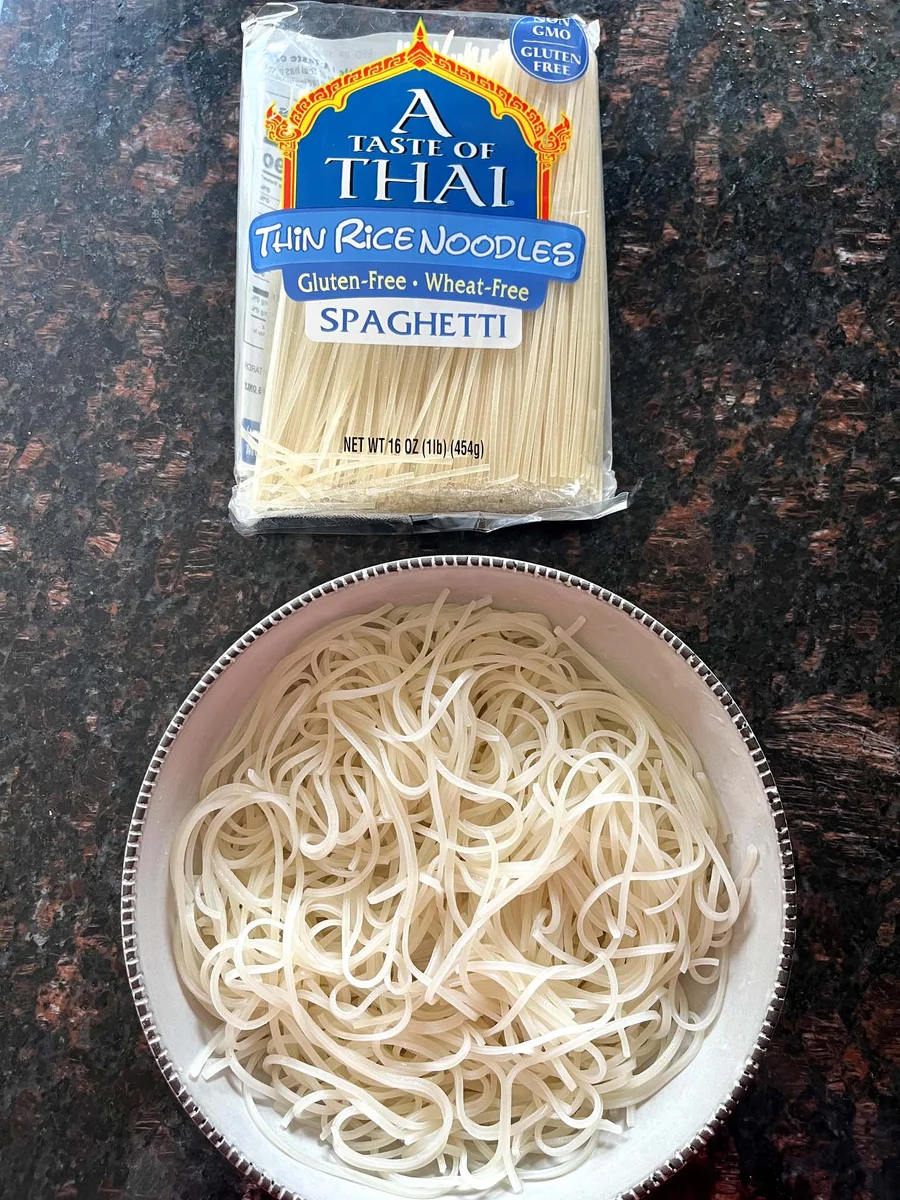
This simple method prepares rice noodles by soaking them in freshly boiled water rather than simmering them over heat. It is a handy starting point for stir-fries, soups and salads, with the soaking time adjusted to the noodle thickness.
Ingredients
- 454 g (1 lb)rice noodles
- As neededwater
- To tastesalt
Instructions
- 1
Boil the water
Fill a large pot with water and bring it to a boil. Add salt if you wish.
- 2
Add the noodles
Put the rice noodles into the boiling water, using the amount from the packet that suits your needs.
- 3
Turn off heat
Switch off the heat as soon as the noodles are in the pot.
- 4
Soak until pliable
Leave the noodles in the hot water for 3 minutes, then check whether they bend easily. If they are still too firm, soak for another minute or two; thicker noodles may take around 5 minutes.
- 5
Drain the noodles
When the noodles are soft and pliable, drain them in a colander.
- 6
Rinse with cold water
If you plan to use the noodles in a stir-fry or another dish, rinse them under cold water to halt cooking and wash away excess starch that can make them stick.
- 7
Serve or use
Serve the noodles hot straight away or add them to another recipe. For stir-frying, leave them slightly under-soaked because they will cook further in the pan.
What are rice noodles?
Rice noodles are made from rice and water and are used in many cuisines across Asia, in dishes ranging from soups to salads and stir-fries. Their shapes and thicknesses vary, so soaking times can differ between packets.
This method uses residual heat from boiled water to soften the noodles. Turning off the hob promptly helps avoid continuing to simmer them while they soak.
Nutrition and macros by portion
The nutrition label shows one serving as written: 275 calories, 3g protein, 63g carbs, 0g fat.
| Portion | Adjustment | kcal | Protein | Carbs | Fat |
|---|---|---|---|---|---|
| Lighter | Smaller noodle portion | 193 kcal | 2g | 44g | 0g |
| This serving | As written | 275 kcal | 3g | 63g | 0g |
| Hungry | Larger noodle portion | 413 kcal | 5g | 95g | 1g |
The provided nutrition per serving attributes most of the carbohydrates to the rice noodles, with a small amount of protein and very little fat. Serve a portion with vegetables and a protein-rich topping, such as tofu, egg or chicken, for a more balanced meal.
Choose the right noodles
Thickness matters: thin noodles usually soften more quickly, while thicker strands may need around 5 minutes. Check the packet too, as its instructions can help you judge the timing for that particular type.
Amount: the recipe lists 454 g of noodles, but the method allows you to use a portion of the packet that suits your meal. Keep enough hot water in the pot for the noodles to soak freely.
Use the soaking time as a guide
First check: start testing after 3 minutes. The noodles should be soft enough to bend without feeling brittle, but not so soft that they fall apart.
Adjust: if they are still firm, leave them in the hot water for another minute or two and check again. For a stir-fry, stop while they are slightly firm because they will continue cooking in the pan.
Drain and rinse thoughtfully
Drain well: use a colander once the noodles are pliable, allowing excess water to run off before they go into your dish.
Rinse when useful: cold water stops the cooking and removes some surface starch, helping keep noodles separate for a stir-fry or salad. If serving them hot immediately, follow the needs of your dish.
Use them in a meal
Stir-fry: add the drained noodles near the end of cooking so they can warm through and take on the flavours of the other ingredients without becoming over-soft.
Soup or salad: add them to soup as directed by your chosen recipe, or cool and toss them into a salad. Serve with vegetables and a source of protein to make a more complete plate.
Keep the seasoning simple
Salt is optional here, so season the soaking water to taste or leave it plain if the sauce or broth will provide enough flavour. The noodles themselves have a mild taste and work with a wide range of seasonings.
Since no oil is used in this method, rinsing and promptly adding the noodles to the next dish can help stop them clumping as they sit.
Recipe notes & tips
- Check the noodle packet for any guidance specific to its thickness.
- Start checking the texture at 3 minutes rather than relying on time alone.
- Keep the noodles submerged so they soften evenly.
- Drain as soon as the noodles are pliable to prevent them becoming too soft.
- Rinse with cold water when preparing noodles for a stir-fry or salad.
- For stir-frying, leave the noodles slightly firm because they cook further in the pan.
Variations
- Add vegetables: toss the prepared noodles with cooked vegetables for a simple stir-fry.
- Make it a soup: add the drained noodles to a seasoned broth as your soup recipe directs.
- Serve as a salad: cool the noodles and combine them with vegetables and a dressing.
- Add tofu: include tofu in the finished dish for a plant-based protein topping.
- Season the water: add salt to taste when bringing the water to a boil.
Common mistakes to avoid
- Soaking for too long: check at 3 minutes and add time only if the noodles are still firm.
- Using one timing for every shape: thicker noodles may need around 5 minutes, so check the texture.
- Leaving the heat on: switch it off as soon as the noodles enter the boiling water.
- Skipping the cold rinse for a stir-fry: rinse to stop cooking and remove excess surface starch.
- Over-softening before stir-frying: drain the noodles slightly firm because they will cook more in the pan.
How to store
For the best texture, use the noodles soon after draining. If you need to keep them, refrigerate them in a covered container and use within 2 days; reheat briefly in a hot pan or add them to a hot dish, loosening with a little water if needed.
Frequently asked questions
How long should I soak rice noodles?
Begin checking after 3 minutes. If they are still firm, soak for another minute or two; thicker noodles may take around 5 minutes.
Do I need to keep the hob on while the noodles soak?
No. The method calls for turning off the heat immediately after adding the noodles, then letting them soften in the hot water.
Should I rinse rice noodles after draining?
Rinse them with cold water if they are going into a stir-fry or another dish where you want to stop the cooking and remove excess starch. For other uses, follow the needs of the recipe.
How do I stop the noodles becoming too soft?
Check them as they soak and drain once they are soft and pliable. If they are for a stir-fry, take them out while slightly firm.
Can I use these noodles in soup?
Yes. The method prepares them for use in soup as well as stir-fries and salads; add them to the soup according to that recipe's instructions.
Why are my rice noodles sticking together?
Surface starch can contribute to sticking. For stir-fries and salads, rinse the drained noodles with cold water and use them promptly.
Cook it from the original
This recipe comes from melaniecooks.com. Their page has the author’s own photos, notes and tips — the best place to cook it from.
Open the recipe on melaniecooks.com