
Spanish Almond Cake Recipe
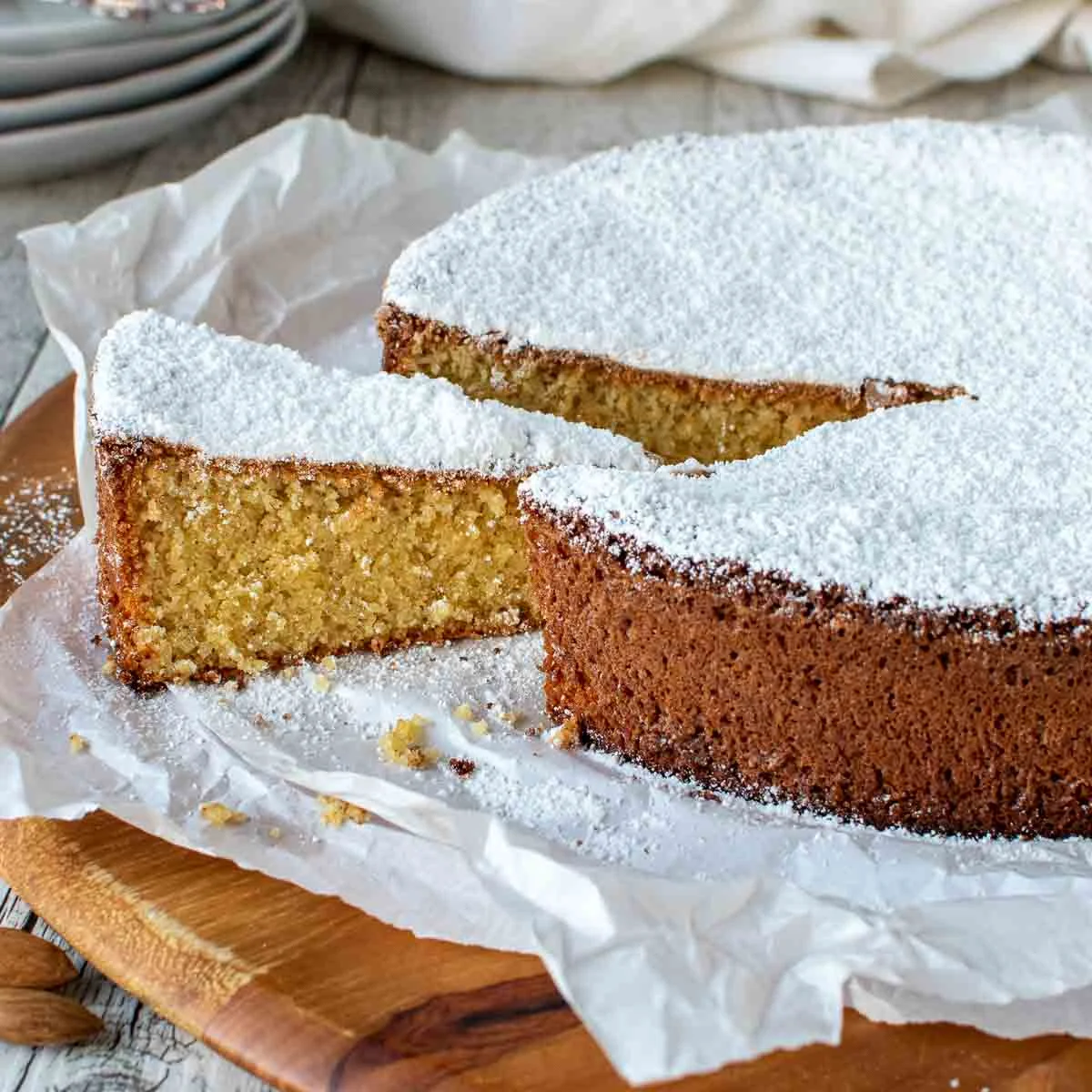
This flourless Spanish almond cake is flavoured with lemon, cinnamon and optional brandy. Toasting the almonds adds a nutty note, while beating the eggs and sugar until thick gives the cake its lift.
Ingredients
- 5eggs, at room temperature
- 250 g (1¼ cups)superfine white sugar
- zest of 1 lemonfinely grated lemon zest
- 300 g (3 cups)ground almonds
- 30 ml (2 tablespoons), optionalbrandy
- ½ teaspoonground cinnamon
Instructions
- 1
Toast the almonds
Preheat the oven to 150°C (300°F). Spread the ground almonds on a baking sheet and toast for 8–10 minutes, until they are just beginning to colour and smell nutty. Set aside to cool.
- 2
Prepare the tin
Increase the oven temperature to 180°C (350°F). Butter a 23 cm (9-inch) springform tin and line its base with parchment paper.
- 3
Flavour the sugar
In a small bowl, rub the lemon zest into the sugar with your fingers, then set it aside.
- 4
Beat eggs and sugar
Using an electric mixer, beat the eggs with the sugar for 6–8 minutes, until the mixture is pale, thick and well combined. Do not use the whisk attachment.
- 5
Mix the batter
Stir in the cooled ground almonds, cinnamon and brandy.
- 6
Fill the tin
Pour the batter into a buttered and floured cake tin.
- 7
Bake the cake
Bake for 30–35 minutes, until the surface is browned and a skewer inserted into the centre comes out clean.
- 8
Cool in the tin
Leave the cake to cool in the tin.
- 9
Finish and serve
Once cool, remove the cake from the tin and dust it thickly with icing sugar.
What is Spanish almond cake?
This flourless almond cake is a variation on Tarta de Santiago, a traditional cake associated with Galicia in north-west Spain. Almonds provide its rich, tender crumb, while lemon zest and cinnamon bring fragrance.
This version builds flavour by toasting the ground almonds before mixing them into the batter. Beating the eggs and sugar until pale and thick helps give the cake structure without flour.
Nutrition and macros by portion
The nutrition label shows one serving as written: 271 calories, 8g protein, 27g carbs, 16g fat.
| Portion | Adjustment | kcal | Protein | Carbs | Fat |
|---|---|---|---|---|---|
| Lighter | Smaller cake slice | 190 kcal | 6g | 19g | 11g |
| This serving | As written | 271 kcal | 8g | 27g | 16g |
| Hungry | Larger cake slice | 407 kcal | 12g | 41g | 24g |
The almonds contribute most of the fat and some protein, while the sugar supplies much of the carbohydrate; eggs add protein and fat. Pair a slice with fresh berries or fruit for a more balanced dessert plate.
Why toast the almonds?
Toasting: Spread the almonds in a single layer and watch for the first hint of colour and a nutty aroma after 8–10 minutes. Let them cool before adding them to the eggs so they do not warm the mixture.
Lemon sugar: Rubbing the zest into the sugar helps distribute its citrus aroma through the batter. Use finely grated zest and avoid including the bitter white pith.
Getting the batter right
Eggs and sugar: Beat them for the full 6–8 minutes, stopping when the mixture looks pale and thick. The recipe specifies not to use the whisk attachment; use another electric mixer attachment.
Almonds and brandy: Fold or stir in the cooled almonds, cinnamon and optional brandy until evenly combined. Mix just enough to bring the batter together.
Checking when it is baked
Colour: The top should be browned after 30–35 minutes at 180°C (350°F). If it is colouring quickly, keep an eye on it as it finishes baking.
Skewer: Insert a skewer into the centre; it should come out clean. Allow the cake to cool in the tin before removing it, since the warm cake is delicate.
Choosing the tin and finishing
Tin: Use a 23 cm (9-inch) springform tin, buttered and lined with parchment on the base as directed. The method also says to pour the batter into a buttered and floured cake tin.
Icing sugar: Dust the cake thickly once it has cooled and been unmoulded. Adding it while the cake is warm can make the surface damp.
What to serve with it
Serve a slice on its own with tea or coffee, or pair it with fresh berries for a bright contrast to the sweet, nutty cake. A spoonful of yoghurt or lightly whipped cream also works alongside it.
The cake is rich, so modest slices make a good finish to a meal. If serving it as dessert, keep the rest of the plate simple.
Recipe notes & tips
- Bring the eggs to room temperature before starting, as the recipe specifies.
- Toast the almonds in a single layer so they colour evenly.
- Let the toasted almonds cool fully before mixing the batter.
- Use a timer for the 6–8 minutes of beating, then check that the mixture is pale and thick.
- Begin checking for doneness at 30 minutes, using both the browned surface and clean-skewer cues.
- Wait until the cake is cool before unmoulding and dusting it.
Variations
- Skip the brandy: Leave it out for a version without alcohol.
- Add orange zest: Replace the lemon zest with finely grated orange zest for a different citrus note.
- Serve with berries: Add fresh berries alongside each slice for a fruity contrast.
- Add a cinnamon accent: Dust the finished cake lightly with cinnamon along with the icing sugar.
- Use a citrus mix: Combine lemon zest with a little finely grated orange zest for a blended citrus flavour.
Common mistakes to avoid
- Almonds too dark: Toast only until they begin to colour, then take them out to avoid a bitter flavour.
- Almonds still warm: Let them cool before mixing them in so they do not warm the egg mixture.
- Egg mixture too thin: Continue beating until it is pale and thick, allowing the full 6–8 minutes.
- Overmixing after adding almonds: Stir only until the ingredients are combined to keep from losing the batter's air.
- Cake removed while warm: Cool it in the tin first so it is less likely to break.
- Icing sugar added too soon: Dust only after the cake has cooled to help the finish stay dry.
How to store
Store the cooled cake in an airtight container at room temperature for up to 3 days, or refrigerate it for up to 5 days. Bring chilled slices to room temperature before serving; if you prefer them warm, heat briefly in a low oven.
Frequently asked questions
Can I leave out the brandy?
Yes. The brandy is optional, so you can omit it and follow the remaining method as written.
How do I know the cake is done?
The surface should be browned and a skewer inserted into the centre should come out clean. The stated baking time is 30–35 minutes.
Why do the eggs need to be beaten for so long?
Beating the eggs and sugar for 6–8 minutes makes the mixture pale and thick, which helps give this flourless cake structure.
Can I use a different tin?
The recipe specifies a 23 cm (9-inch) springform tin. It also directs you to pour the batter into a buttered and floured cake tin, so use a tin of the stated size and prepare it as directed.
Does this cake contain flour?
The cake batter uses ground almonds rather than flour. The method does call for a buttered and floured cake tin, so use an appropriate tin-preparation alternative if you need to avoid flour entirely.
Can I make the cake ahead?
Yes. Bake it ahead and store it cooled in an airtight container. Dust with icing sugar after unmoulding, ideally shortly before serving.
Cook it from the original
This recipe comes from marcellinaincucina.com. Their page has the author’s own photos, notes and tips — the best place to cook it from.
Open the recipe on marcellinaincucina.com