
Kerala Style Pork Roast
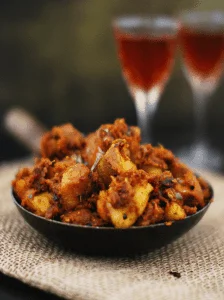
Kerala-style pork roast combines tender pork with a deeply browned coconut and spice mixture, onions, tomatoes and curry leaves. It takes a little care to roast and grind the coconut without making it oily, but the result is a rich, aromatic dish to serve with rice or flatbread.
Ingredients
- 1 kgPork, cut into small-to-medium pieces
- 1.5 tspChopped ginger
- 120 ml (1/2 cup)Water
- To tasteSalt
- 100 g (1 1/3 cups)Grated coconut
- 6Small onions or pearl onions, sliced
- 1.5–2 tbspChopped garlic
- 1.5 tspChopped ginger
- 4Cardamom pods
- 1 inchCinnamon stick
- 4Cloves
- 1 tspWhole peppercorns
- 1.5 tspFennel seeds (perumjeerakom)
- 3 mediumOnions, sliced
- 1 tspChopped ginger
- 1/2 tspTurmeric powder
- 2.5–3 tspChilli powder
- 3 heaped tspCoriander powder
- 2 mediumTomatoes, chopped
- To tasteSalt
- To tasteCurry leaves
- As neededCoconut oil
Instructions
- 1
Marinate the pork
Season the cleaned pork with salt, turmeric powder and 1.5 tsp chopped ginger. Leave it for 10 minutes, then add 120 ml water. Pressure-cook on high for 1 whistle, then leave the cooker closed until the pressure drops.
- 2
Roast the coconut
Heat coconut oil in a wide pan and add the grated coconut, small onions, garlic, 1.5 tsp ginger, cardamom, cinnamon, cloves, peppercorns and fennel seeds. Fry over low heat until the coconut is golden brown. Take the pan off the heat and let the mixture cool.
- 3
Grind the mixture
Grind the cooled coconut mixture, pulsing at intervals rather than running the grinder continuously. Stop when it is powdery and not oily.
- 4
Cook the onions
Heat coconut oil in a deep, wide pan and add the sliced onions. Cook until soft, then add 1 tsp chopped ginger and curry leaves. Continue cooking until the onions are golden brown.
- 5
Build the gravy
Add the turmeric, chilli and coriander powders to the pan and mix well. Fry for 2–3 minutes, then add the chopped tomatoes and salt. Once the tomatoes have softened, add the cooked pork and its cooking liquid, and mix well.
- 6
Finish the roast
Bring the mixture to a boil, then simmer until the gravy is almost dry. Stir in the ground coconut mixture and cook over low heat for 5–7 minutes, or longer if needed.
What is Kerala-style pork roast?
Kerala-style pork roast is a spiced pork dish associated with the cooking of Kerala, a state on India’s south-west coast. Coconut, curry leaves and warm spices give it a flavour profile distinct from a simple chilli-based pork curry.
This version cooks the pork first, then coats it in a sauce made with browned, ground coconut. Letting the gravy reduce before adding the coconut helps the finished dish stay thick and roast-like.
Nutrition and macros by portion
The nutrition label shows one serving as written: 650 calories, 48g protein, 17g carbs, 43g fat.
| Portion | Adjustment | kcal | Protein | Carbs | Fat |
|---|---|---|---|---|---|
| Lighter | Use leaner pork, less oil | 455 kcal | 34g | 12g | 30g |
| This serving | As written | 650 kcal | 48g | 17g | 43g |
| Hungry | Serve with extra rice | 975 kcal | 72g | 26g | 65g |
Pork provides most of the protein and contributes much of the fat, while coconut and coconut oil add further fat and saturated fat. The onions and tomatoes contribute some carbohydrate; serve a measured amount of rice or bread alongside and add vegetables to round out the plate.
Why cook the pork first?
Pressure-cooking the pork with a little water starts the tenderising process and creates a flavourful cooking liquid. Keep that liquid: it goes into the onion and tomato mixture and helps bring the sauce together.
The recipe specifies one whistle on high heat, followed by waiting for the pressure to fall naturally. Cooker sizes and pork pieces vary, so check that the pork is cooked through before continuing.
Roasting the coconut
Low heat: fry the coconut and whole spices gently, stirring so the mixture colours evenly without scorching. The coconut is ready when it is golden brown and fragrant.
Grinding: cool the mixture before processing it. Short pulses help keep the coconut in a powdery state; continuous grinding can release its oil and turn it into a paste.
Building the masala
Golden onions: cook them until soft first, then continue until they have a deeper golden colour. This gives the base sweetness and body.
Spice stage: fry the turmeric, chilli and coriander powders for 2–3 minutes, mixing constantly. Add the tomatoes afterwards; their moisture helps stop the powdered spices from catching on the pan.
How to judge the finish
Before adding the coconut powder, simmer until the gravy is almost dry rather than soupy. Stir occasionally and watch the base of the pan as the liquid reduces.
After adding the coconut, cook on low for 5–7 minutes. The coating should cling to the pork; cook longer if the mixture still looks loose, while stirring to prevent sticking.
Choosing the pork and oil
Pork pieces: use evenly sized small-to-medium chunks so they cook at a similar pace. The recipe does not specify the cut, so the final tenderness and richness will depend partly on the pork you choose.
Coconut oil: use enough to fry the coconut mixture and soften the onions. Since no amount is specified, add it as needed without letting the pan become greasy.
What to serve with it
Serve the pork with steamed rice, which works well with the thick spiced coating. Appam, chapati or another plain flatbread are also useful for scooping up the masala.
For a more balanced plate, add a vegetable side such as lightly cooked greens or a simple salad. Keep accompaniments mild so they do not compete with the roasted spices.
Recipe notes & tips
- Cut the pork into similar-sized pieces so they cook evenly.
- Keep the heat low while browning the coconut and stir frequently.
- Let the roasted coconut mixture cool before grinding it.
- Pulse the grinder and check the texture often to avoid making a paste.
- Keep the pork cooking liquid and add it with the cooked meat.
- Stir more often as the gravy reduces, especially once the coconut mixture is added.
Variations
- Adjust the heat: use the lower amount of chilli powder for a milder roast.
- Use pearl onions: choose the small onions for a sweeter, more traditional-style base.
- Add extra curry leaves: increase their amount for a more pronounced herbal aroma.
- Serve with appam: pair the roast with soft appam to scoop up the thick masala.
- Choose a leaner cut: use lean pork pieces for a less rich result, while checking doneness carefully.
Common mistakes to avoid
- Over-browning the coconut: keep the heat low and remove it as soon as it turns golden to avoid bitterness.
- Grinding while warm: let the mixture cool first so it is less likely to turn oily.
- Grinding continuously: pulse in short bursts and stop when the mixture is powdery.
- Adding the coconut too early: reduce the gravy until almost dry before mixing in the powder.
- Leaving the spices unstirred: mix them constantly during their 2–3 minutes in the pan so they do not catch.
- Serving before the finish: cook for at least 5–7 minutes after adding the coconut, and longer if the coating still seems loose.
How to store
Cool leftovers promptly and store them in a covered container in the fridge for up to 3 days. Reheat gently in a pan until steaming hot throughout, adding a small splash of water if the masala has become too thick.
Frequently asked questions
Can I make this without a pressure cooker?
Yes. Simmer the pork with the ginger, salt and water in a covered saucepan until tender, checking the liquid level as it cooks. The time will vary with the cut and size of the pieces.
How do I know when the coconut is roasted enough?
It should be golden brown and smell fragrant. Keep the heat low and take it off the heat promptly, since it can darken quickly.
Why did my coconut mixture become oily?
It may have been ground for too long or while still warm. Let it cool fully and use short pulses, stopping as soon as it becomes powdery.
Can I make the dish less spicy?
Use 2.5 tsp chilli powder, the lower end of the amount given. Chilli strength varies, so you can reduce it further to suit your taste.
What should the gravy look like before adding the coconut?
It should be reduced until almost dry, not watery. After adding the coconut powder, the masala should coat the pork rather than pool around it.
What can I serve with Kerala-style pork roast?
Steamed rice, appam and plain flatbreads all pair well with it. Add a mild vegetable side if you want a more varied meal.
Cook it from the original
This recipe comes from mariasmenu.com. Their page has the author’s own photos, notes and tips — the best place to cook it from.
Open the recipe on mariasmenu.com