
Gujrati Tuvar Daal /Surati Daal
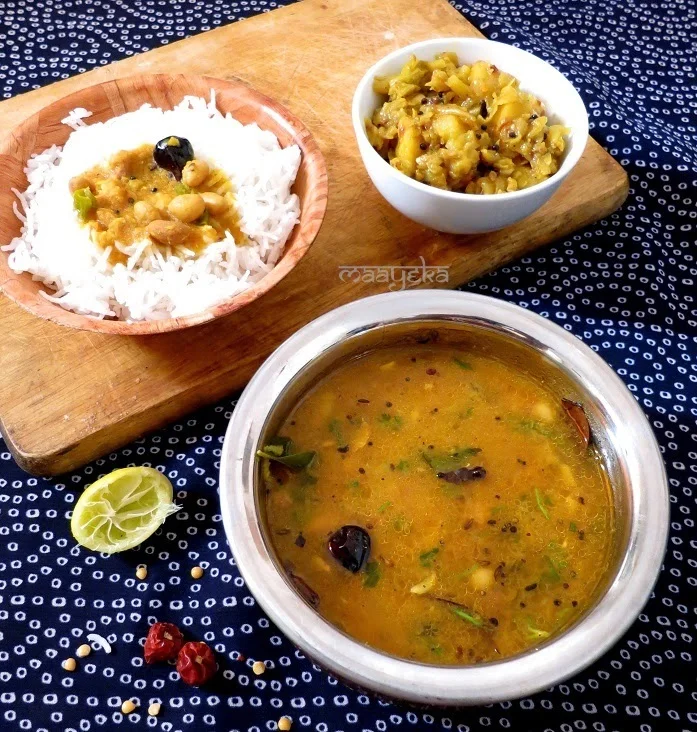
Surati daal is a Gujarati pigeon pea daal with a distinctive sweet-and-sour balance from jaggery, kokum and lemon. It is pressure-cooked until soft, then simmered with warming spices and finished with a fragrant tempering.
Ingredients
- 150 g (¾ cup)tuvar daal (arhar daal)
- 15 ml (1 tbsp)yellow lentils (moong daal), optional
- 30 ml (2 tbsp)lemon juice
- about 23 g (1½ tbsp)peanuts
- 1 mediumtomato, chopped
- 2green chillies, chopped
- 10 ml (2 tsp)ginger, chopped
- 3dried dates (kharik)
- 15curry leaves
- about 19 g (1½ tbsp)jaggery
- 6kokum
- 2.5 ml (½ tsp)turmeric
- about 4 g (4 tbsp)fresh coriander
- 5 ml (1 tsp)red chilli powder
- 5 ml (1 tsp)ground coriander
- to tastesalt
- 15 ml (1 tbsp)ghee
- 15 ml (1 tbsp)cooking oil
- 3.75 ml (¾ tsp)mustard seeds
- 2.5 ml (½ tsp)cumin seeds
- 1.25 ml (¼ tsp)fenugreek seeds
- 2cloves
- 1bay leaf
- 2.5 ml (½ tsp)cinnamon
- 4dried whole red chillies
- 2.5 ml (½ tsp)asafoetida
- 6curry leaves
Instructions
- 1
Wash and soak
Rinse the daal two or three times. Soak it in 2 cups of water for 20 minutes; the optional moong daal adds smoothness.
- 2
Load the cooker
Put the soaked daal and its soaking water in a pressure cooker with the peanuts, chopped tomato, dried dates and green chillies.
- 3
Cook until soft
Pressure-cook for 3 whistles, or until the daal is completely cooked and soft to the touch. Mash it well with a ladle or whisk, then remove the date stones and slice the dates lengthways.
- 4
Simmer the daal
Add around 4 cups of water, the ginger and all the listed ingredients and spices. Mix well and cook over medium heat for 10 minutes.
- 5
Make the tempering
Heat the oil and ghee in a small pan. Add the mustard, cumin and fenugreek seeds; when they begin to crackle, add the other tempering ingredients and sauté for a few seconds.
- 6
Finish the daal
Pour the tempering over the boiling daal. Stir in the chopped coriander and lemon juice.
- 7
Serve hot
Serve the daal hot with steamed rice and chapatis.
What is Surati daal?
Surati daal is a Gujarati preparation of pigeon peas, often called tuvar or arhar daal. Its character comes from combining sweet, sour and warming flavours rather than relying on heat alone.
This version builds its sweetness from jaggery and dried dates, while kokum and lemon bring a lively tang. Mashing the cooked pulses helps the broth turn smooth and substantial.
Nutrition and macros by portion
The nutrition label shows one serving as written: 306 calories, 13g protein, 41g carbs, 11g fat.
| Portion | Adjustment | kcal | Protein | Carbs | Fat |
|---|---|---|---|---|---|
| Lighter | Use less ghee | 214 kcal | 9g | 29g | 8g |
| This serving | As written | 306 kcal | 13g | 41g | 11g |
| Hungry | Add extra rice | 459 kcal | 20g | 62g | 17g |
The tuvar daal and optional moong daal provide most of the carbohydrates and much of the protein, while the ghee, oil and peanuts contribute fat. Serve a bowl with steamed rice or chapati, and add vegetables on the side for a more rounded plate.
Choosing the pulses
Tuvar daal: this is the main pulse and gives the dish its familiar earthy flavour. Rinse it well before soaking to wash away loose starch and any dust.
Moong daal: the small optional addition softens the texture. Leave it out if you prefer to keep the ingredient list simpler.
Building sweet and sour flavour
Sweetness: jaggery and dried dates round out the savoury pulses and spices. The dates are cooked whole, then stoned and sliced after cooking as directed.
Sourness: kokum goes into the simmer, and lemon juice is added at the end. This keeps the citrus flavour fresh alongside the deeper tang of the kokum.
Getting a smooth texture
Soft pulses: cook the daal for 3 whistles, or until it is tender enough to mash easily. If it is still firm, continue cooking until soft rather than leaving whole, hard grains in the finished dish.
Mashing: use a ladle or whisk to break down the cooked daal before adding the extra water and spices. Stir as it simmers so the mixture is evenly combined.
The tempering matters
Whole seeds: heat the mustard, cumin and fenugreek in the oil and ghee until they start crackling. Add the remaining tempering ingredients and sauté only for a few seconds.
Final flourish: pour the hot tempering over the boiling daal, then mix in the coriander and lemon juice. Adding the lemon at the end preserves its bright, fresh edge.
What to serve with it
Rice: steamed rice is a natural partner for the tangy, pourable daal and makes it easy to catch every bit of the sauce.
Chapatis: serve alongside for a more varied meal, or use them to scoop up the thicker pulses. Both are suggested accompaniments in the recipe.
Recipe notes & tips
- Soak the pulses for the full 20 minutes to help them cook evenly.
- The daal is ready to mash when the grains are soft to the touch.
- Stir well after adding the 4 cups of water so the mashed pulses blend into the broth.
- Keep the tempering pan small so the spices sit in the hot fat as they crackle.
- Add the lemon juice after the tempering, as directed, for a fresher finish.
Variations
- Skip the moong daal: make the recipe with tuvar daal alone.
- Adjust the chillies: use fewer green or dried red chillies for a milder bowl.
- Tune the tang: adjust the lemon juice to suit your preference for sourness.
- Serve with rice: spoon the daal over steamed rice for a classic pairing.
- Serve with chapatis: offer chapatis alongside instead of, or as well as, rice.
Common mistakes to avoid
- Undercooked pulses: cook until completely soft before mashing.
- Skipping the rinse: wash the daal two or three times before soaking.
- Leaving the dates whole: remove their stones and slice them lengthways after cooking.
- Overcooking the tempering: sauté the added ingredients for only a few seconds.
- Adding lemon too early: stir in the lemon juice after pouring on the tempering.
How to store
Refrigerate leftover daal in a covered container and use within 3 days. Reheat gently in a saucepan, stirring well; add a little water if it has thickened.
Frequently asked questions
Can I leave out the moong daal?
Yes. It is optional and is included to make the daal smoother; the tuvar daal remains the main pulse.
How do I know when the daal is cooked?
After 3 whistles, check that the pulses are completely soft and easy to mash. If they are still firm, cook them further until tender.
Can I use tamarind instead of kokum?
The recipe specifies kokum, which gives the daal its particular sour note. Tamarind would change the flavour, so it is not a direct match.
Why is the lemon juice added at the end?
Adding it after the daal has simmered keeps the lemon flavour fresh and bright.
What should I serve with Surati daal?
Serve it hot with steamed rice and chapatis, as suggested in the recipe.
Cook it from the original
This recipe comes from maayeka.com. Their page has the author’s own photos, notes and tips — the best place to cook it from.
Open the recipe on maayeka.com