
Cabbage Fufu
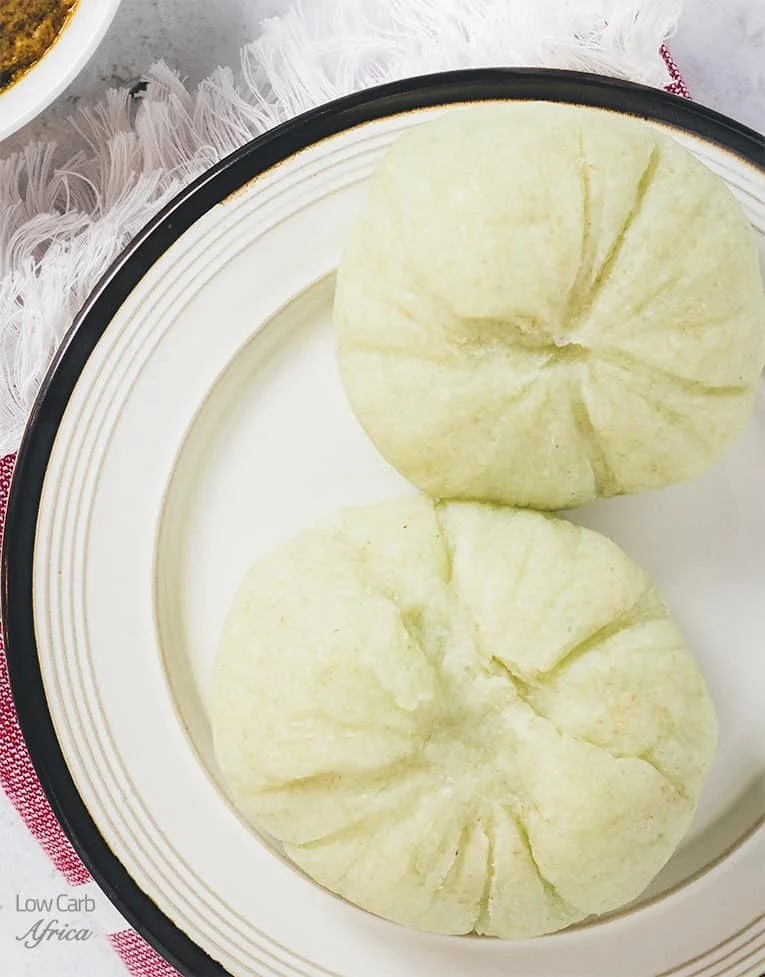
Cabbage fufu is a soft, mouldable cabbage-based swallow for serving with Nigerian soups. It is a simple alternative to starchy fufu, with psyllium helping the drained cabbage hold together.
Ingredients
- 1green cabbage
- 2–3 tbsppsyllium husk
Instructions
- 1
Chop the cabbage
Cut the cabbage into medium-sized pieces and put them in a blender.
- 2
Blend until smooth
Blend the cabbage until it is completely puréed.
- 3
Drain the mixture
Lay a large piece of cheesecloth over a bowl, add the blended cabbage and squeeze or drain out as much liquid as possible.
- 4
Heat the cabbage
Transfer the drained cabbage to a pan and cook over medium-high heat, stirring.
- 5
Add psyllium
After about 2 minutes, stir in 2 tablespoons of psyllium husk.
- 6
Mix thoroughly
Keep stirring in a circular motion until the psyllium is completely incorporated.
- 7
Adjust the firmness
Add one more tablespoon of psyllium husk if you want a firmer fufu.
- 8
Cook to texture
Continue stirring until the mixture reaches your desired consistency.
- 9
Serve the fufu
Serve and enjoy.
What is cabbage fufu?
Fufu is a staple swallow served with soups in Nigeria and across parts of West and Central Africa. This version uses blended cabbage instead of the starchy ingredients used in many traditional fufu preparations.
Draining the puréed cabbage and binding it with psyllium gives the mixture enough body to be shaped and eaten alongside soup.
Nutrition and macros by portion
The nutrition label shows one serving as written: 131 calories, 5g protein, 30g carbs, 0g fat.
| Portion | Adjustment | kcal | Protein | Carbs | Fat |
|---|---|---|---|---|---|
| Lighter | Smaller fufu portion | 92 kcal | 4g | 21g | 0g |
| This serving | As written | 131 kcal | 5g | 30g | 0g |
| Hungry | Larger fufu portion | 197 kcal | 8g | 45g | 0g |
The cabbage provides most of the carbohydrates, while psyllium contributes fibre and some protein; the recipe contains no added oil. Pair a portion with a protein-rich soup and vegetables for a more balanced meal.
Why drain the cabbage?
Remove as much liquid as you can after blending. Excess moisture can leave the mixture loose, so thorough draining helps it thicken more readily in the pan.
How psyllium changes the texture
Psyllium husk: begin with 2 tablespoons and stir it in fully before deciding whether to add the extra tablespoon. The additional amount makes a firmer fufu, so add it if the mixture is still too soft for your liking.
Stir for an even consistency
Keep the pan over medium-high heat and stir continuously in a circular motion. This helps distribute the psyllium through the cabbage rather than leaving clumps or uneven patches.
When is it ready?
Use the texture as your guide: the mixture should thicken and hold together to the consistency you prefer. The method gives about 2 minutes before adding the psyllium, then calls for continued stirring until that texture is reached.
Serving cabbage fufu
Serve it with your favourite African soup, using the fufu to scoop up the soup. A richly flavoured soup makes a natural partner for the mild cabbage base.
Recipe notes & tips
- Cut the cabbage into medium-sized pieces so it is easier to blend.
- Drain the cabbage thoroughly before transferring it to the pan.
- Stir the psyllium in steadily to help it blend evenly.
- Start with 2 tablespoons of psyllium and assess the texture before adding more.
- Serve the fufu as soon as it reaches the consistency you want.
Variations
- Firmer texture: Add the optional extra tablespoon of psyllium.
- Softer texture: Stop at 2 tablespoons if that gives you the consistency you prefer.
- Soup pairing: Serve with your favourite Nigerian soup.
- Smaller servings: Divide the finished fufu into smaller portions alongside soup.
Common mistakes to avoid
- Leaving excess liquid: Drain the cabbage well so the mixture can thicken.
- Adding all the psyllium at once: Stir in the initial 2 tablespoons first and assess the result.
- Stirring unevenly: Use a continuous circular motion to distribute the psyllium.
- Stopping too soon: Keep stirring until the mixture reaches your preferred consistency.
- Adding extra psyllium by default: Use the third tablespoon only if you want a firmer result.
How to store
Refrigerate leftovers in a covered container and use within 2–3 days. Reheat gently in a pan, stirring until warmed through; if it has firmed up, loosen it with a little water.
Frequently asked questions
Can I make cabbage fufu without psyllium husk?
Psyllium is the binder in this recipe, so leaving it out will change how well the cabbage holds together. The recipe does not give a substitute.
How much psyllium should I use?
Start with 2 tablespoons, then add one more tablespoon if you want the fufu firmer.
How do I know when the fufu is ready?
Keep stirring until it thickens to your preferred consistency and holds together.
Why does my cabbage fufu seem too loose?
The cabbage may still contain too much liquid. Drain it thoroughly before cooking, and use the optional extra tablespoon of psyllium if you want a firmer result.
What should I serve with cabbage fufu?
Serve it with your favourite African soup, as you would other fufu or swallow dishes.
Cook it from the original
This recipe comes from lowcarbafrica.com. Their page has the author’s own photos, notes and tips — the best place to cook it from.
Open the recipe on lowcarbafrica.com